


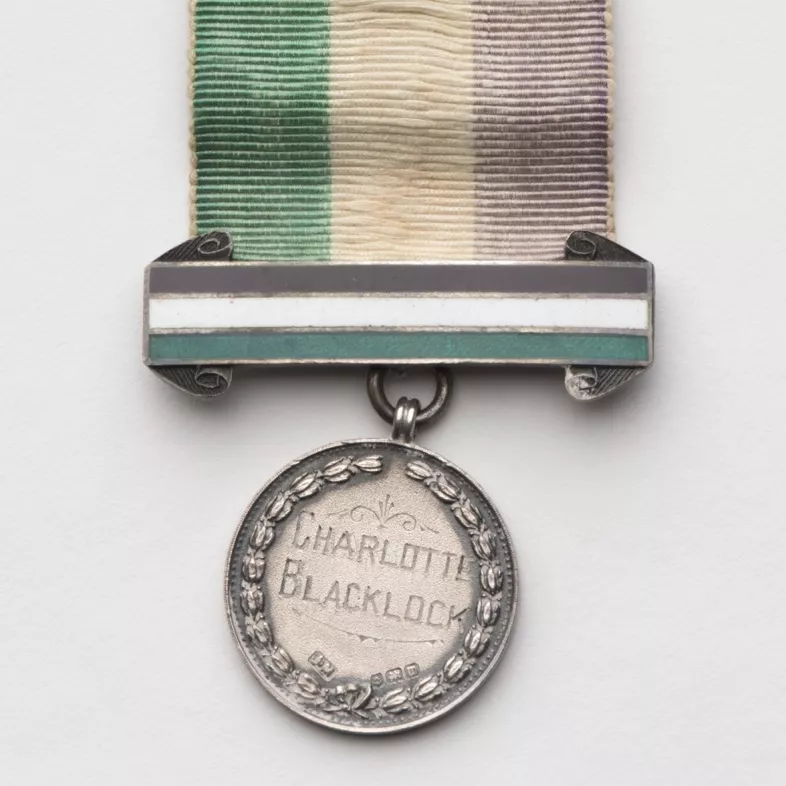

Women's Social and Political Union hunger strike medal
For valour, for hope and for women everywhere.
This rare Women's Social and Political Union (WSPU) medal, bearing the colours of the suffragettes, was awarded to Englishwoman Charlotte Blacklock. Blacklock was a member of the Chelsea branch of the WSPU, and was arrested for violent protest. She subsequently went on a hunger strike and endured force-feeding while in jail.


Blacklock joined the WSPU sometime before 1908 and became a frequent writer for suffragette publications. On 11 March 1912, Blacklock was arrested for breaking windows in Piccadilly, London, among a group of up to 220 women and three men. This action reflected the WSPU's belief that only militant, often violent direct action would attract the publicity necessary to affect change.
The estimate of total damage from the incident was between £4,000 and £6,000. Approximately 150 people received imprisonment sentences. Blacklock was among 150 people who received imprisonment sentences, in her case, four months in prison. Beginning on 5 April, Blacklock and other imprisoned suffragettes went on a hunger strike, refusing to eat, and then enduring force-feeding by prison doctors.
The leadership of the WSPU treated their cause like a military campaign, and rewarded suffragette prisoners like Blacklock with 'Hunger strike' medals. This medal is inscribed, 'For Valour', words taken from the Victoria Cross, the highest British military award.
In 1914, the WSPU suspended military action for the duration of WWI, and the Representation of the People Act of 1918 gave some women the right to vote in Britain. However, suffragettes continued hunger striking in other parts of the world.
What is suffrage and why is it called that?
Suffrage is the right to vote in elections. When countries first introduced voting, only men with a certain amount of property or income were allowed to vote. At various points in different countries, the vote was extended to all men, to women, and previously excluded racial or ethnic groups, and sometimes to people of a younger age. The word suffrage comes from the Latin word 'suffragium' which means vote or voting rights.
What was the timeline of women's suffrage in Australia?
The push for women's suffrage began in the UK, the US and Australia in the mid-19th century, and progressed most quickly in Australia, with South Australian women of all races given the vote in 1895, and all non-Indigenous Australian women the right to vote in 1902. Australia became the most progressive part of the British Empire. Indeed, some of the women who had petitioned for women's suffrage in Australia travelled to the UK to help the cause there, such as Vida Goldstein, who wrote for and marched with the WSPU. The Australian Government also petitioned the British prime minister in 1910 to grant the vote to women.
What are the colours of the women's suffrage movement?
The colour scheme had been devised by the co-editor of Votes for Women, Emmeline Pethick-Lawrence. She wanted suffragists to cover themselves in the colours which she said represented the following: 'purple ... for the royal blood that flows in the veins of every suffragette ... white stands for purity in private and public life ... green is the colour of hope and the emblem of spring'.
You may also be interested in...
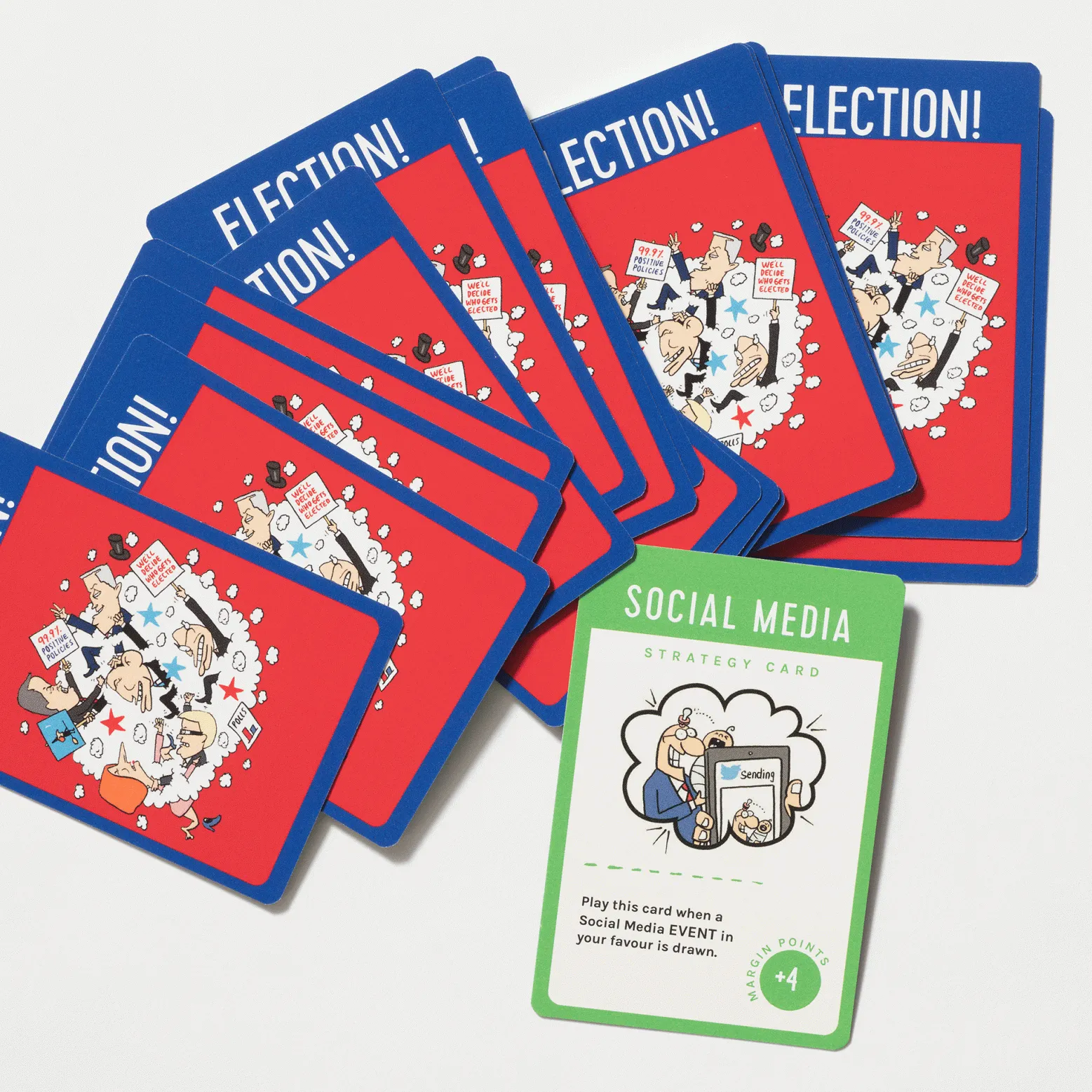
Election! card game
A card game for political tragics.
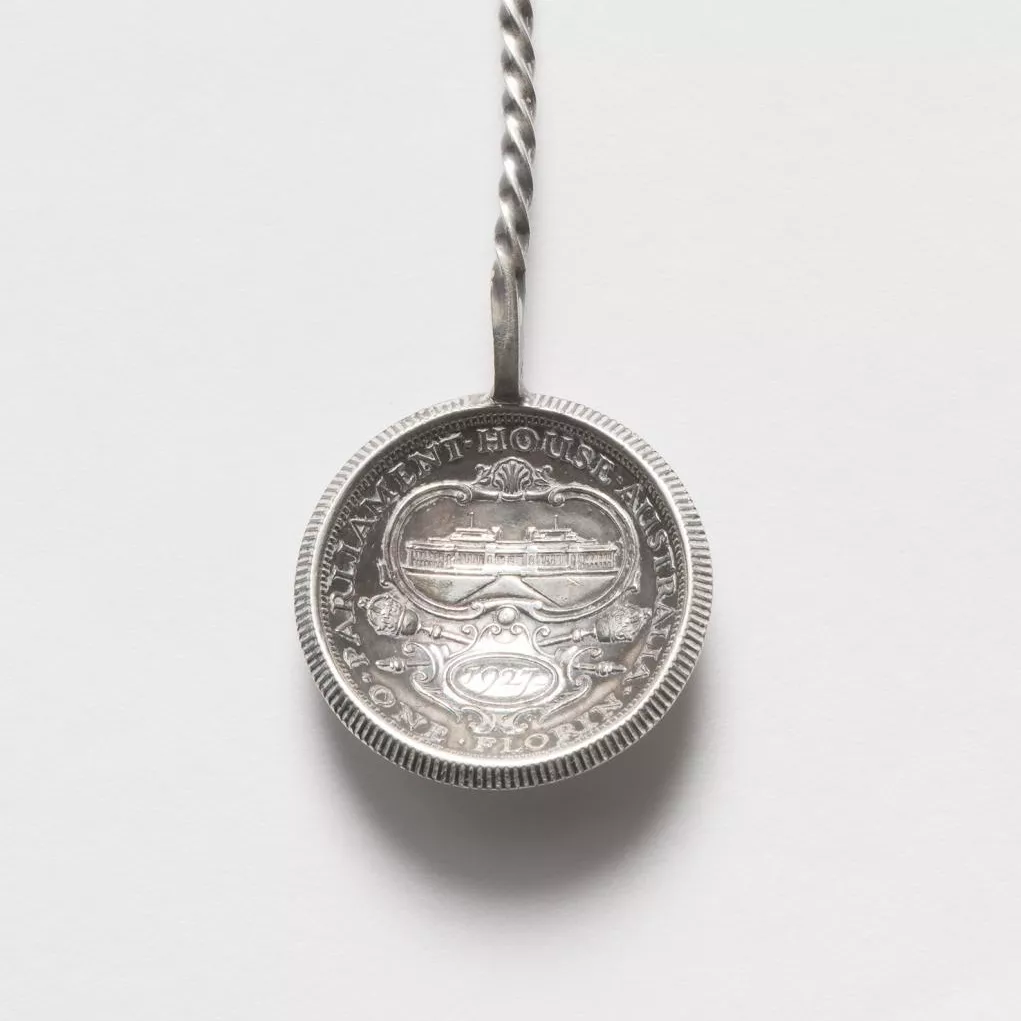
Souvenir spoon with commemorative florin
The first Australian commemorative coin marked the 1927 opening of Australia's provisional Parliament House.
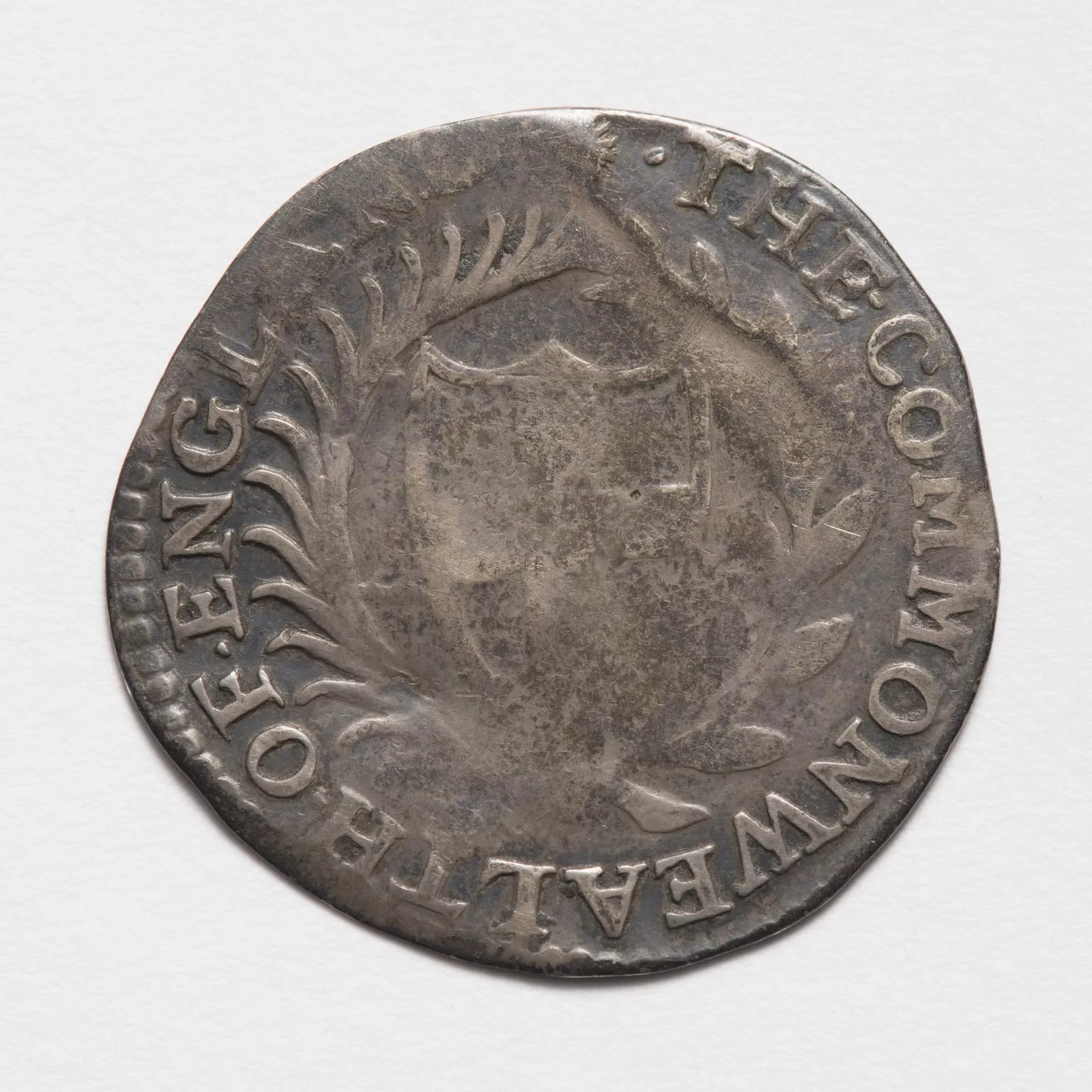
Commonwealth of England sixpence
This rare hammered silver coin represents a foundational idea for the history of parliamentary democracy.
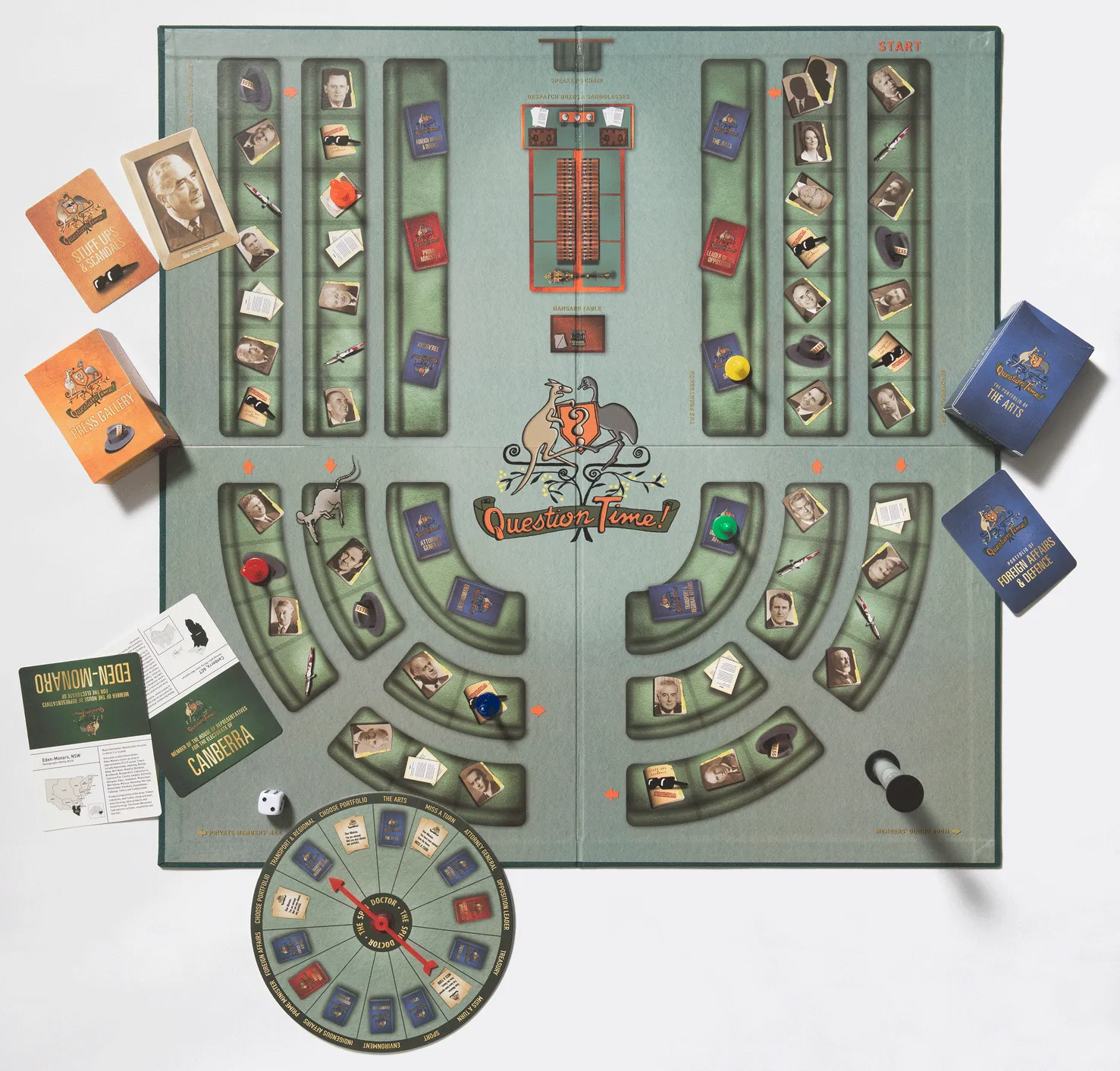
Party Games
Can board games teach us about democracy and how it works?
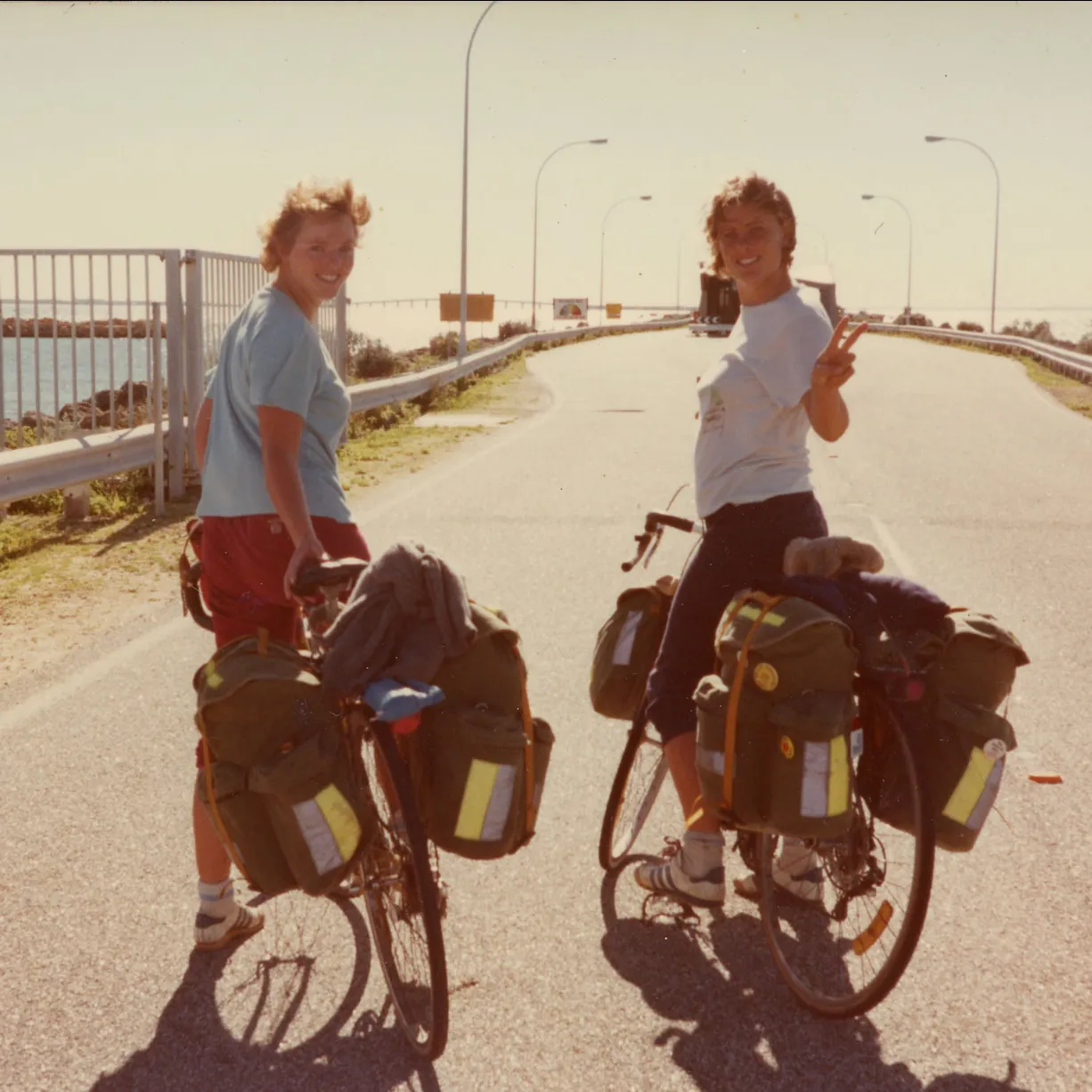
'Bike Ride for Peace' bike seat
How many kilometres would you cover for a cause?
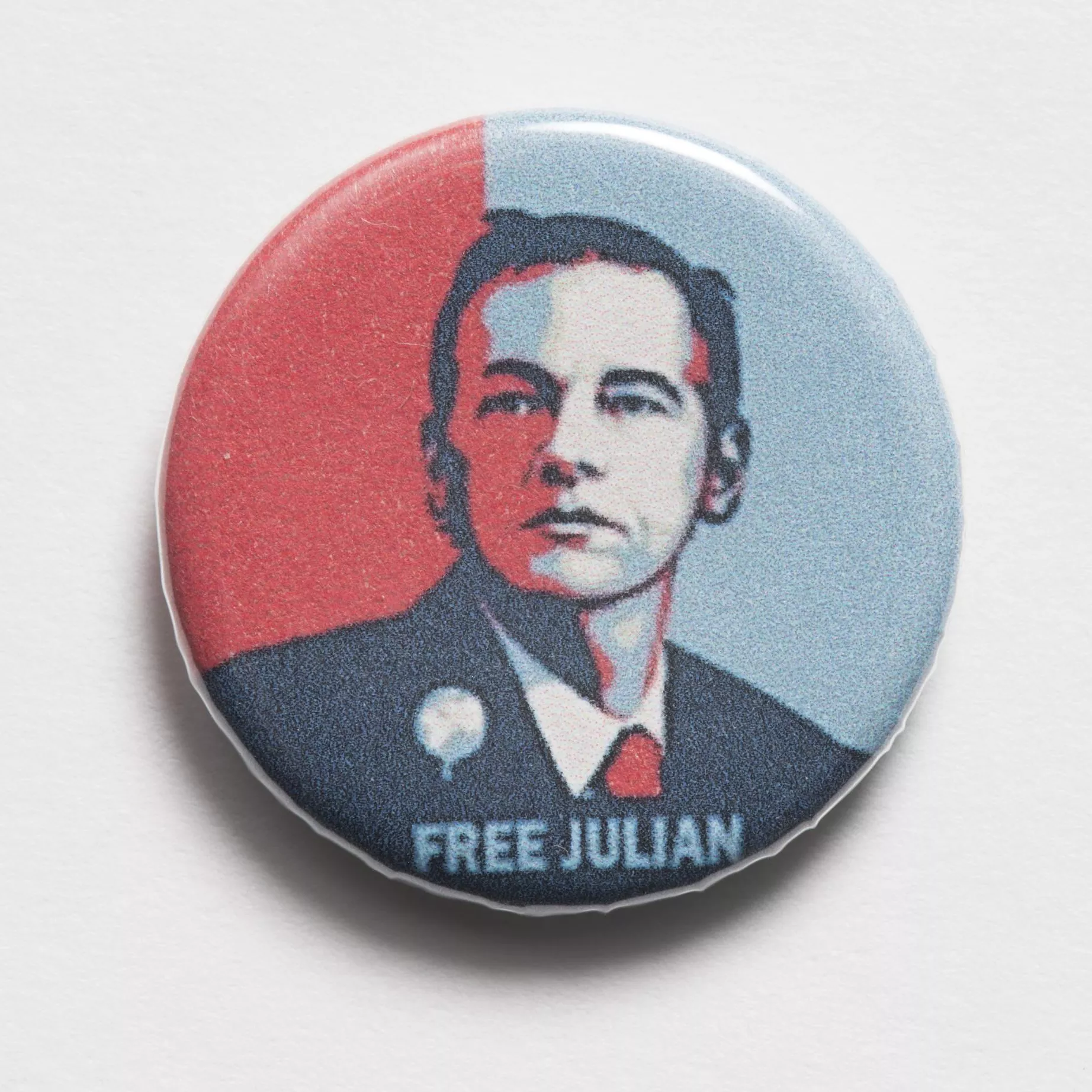
Julian Assange supporters' badge
Wikileaks' Julian Assange is convicted under the US Espionage Act, his supporters see him as a whistleblower.
