


What's on
-
Perfect for

 Exhibition
The Press Gallery
High above the Chambers, the Press Gallery jockeyed for stories and office space.


 Guided tours
Highlights of Old Parliament House
Hear stories of the people and events that shaped Australian democracy in the very place it happened.
 Guided tours
History of Old Parliament House
Discover the rich history of our national heritage–listed building.

 Exhibition
Democracy: Are You In?
People have power! Get involved and help shape Australian democracy.
 Guided tours
Paranormal Investigations of Old Parliament House
Are you game to discover if Old Parliament House is haunted?


 Old Parliament House
Clerk of the Senate's Office
See the Clerk of the Senate's office as it was on the day of the 1975 dismissal.


PlayUP
A hands-on exhibition with craft, stories, role play and games to foster imagination, inclusion and community.
 Guided tours
First Nations Experiences of Democracy
Learn how First Nations Australians have created change in their fight for equality.

Democracy DNA: the People, the Prime Ministers and the World
Follow the journey of Australia’s democracy through the debates that have shaped our nation.
 Guided tours
Chifley's Tour
Hear stories about Ben Chifley's time in office and visit the rooms he worked in.
 Audio
Audio
Behind the Lines – Audio Description Online
Listen to audio descriptions of political cartoons from Behind the Lines 2025.
 Guided tours
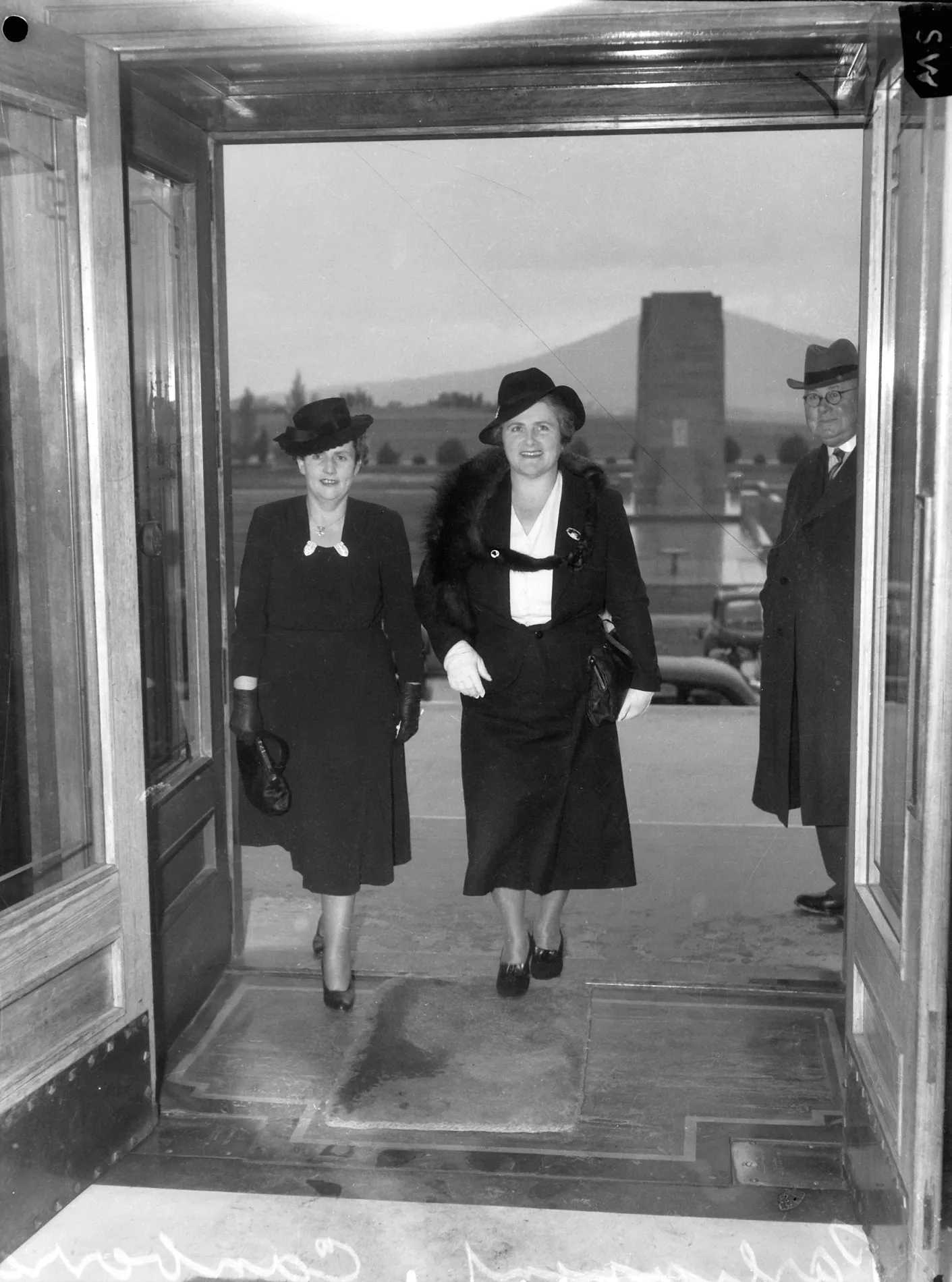
First Women in Parliament
This tour introduces you to the first women in Australian politics and the challenges they faced.


 Exhibition
Changemakers
Celebrate activists and their allies who have championed justice and equality.

 Old Parliament House
House of Representatives Chamber
Some of the most dramatic scenes in Australia’s political history took place in this chamber.

 Old Parliament House
Country Party Room
The party room was a place to celebrate achievements, build camaraderie and even take a nap.

 Old Parliament House
Parliamentary Broadcasting and ABC Studio
Discover where the debates, drama and business of parliament was broadcast.


 Exhibition
Truth, Power and a Free Press
Understand how a free press is essential to a thriving democracy.

 Exhibition
Blueprint
Explore the steps we’ve taken to build a uniquely Australian democratic system.


 Exhibition
Zine Lounge
Express your ideas and share your opinions by making a mini magazine in this hands-on exhibition.

 Old Parliament House
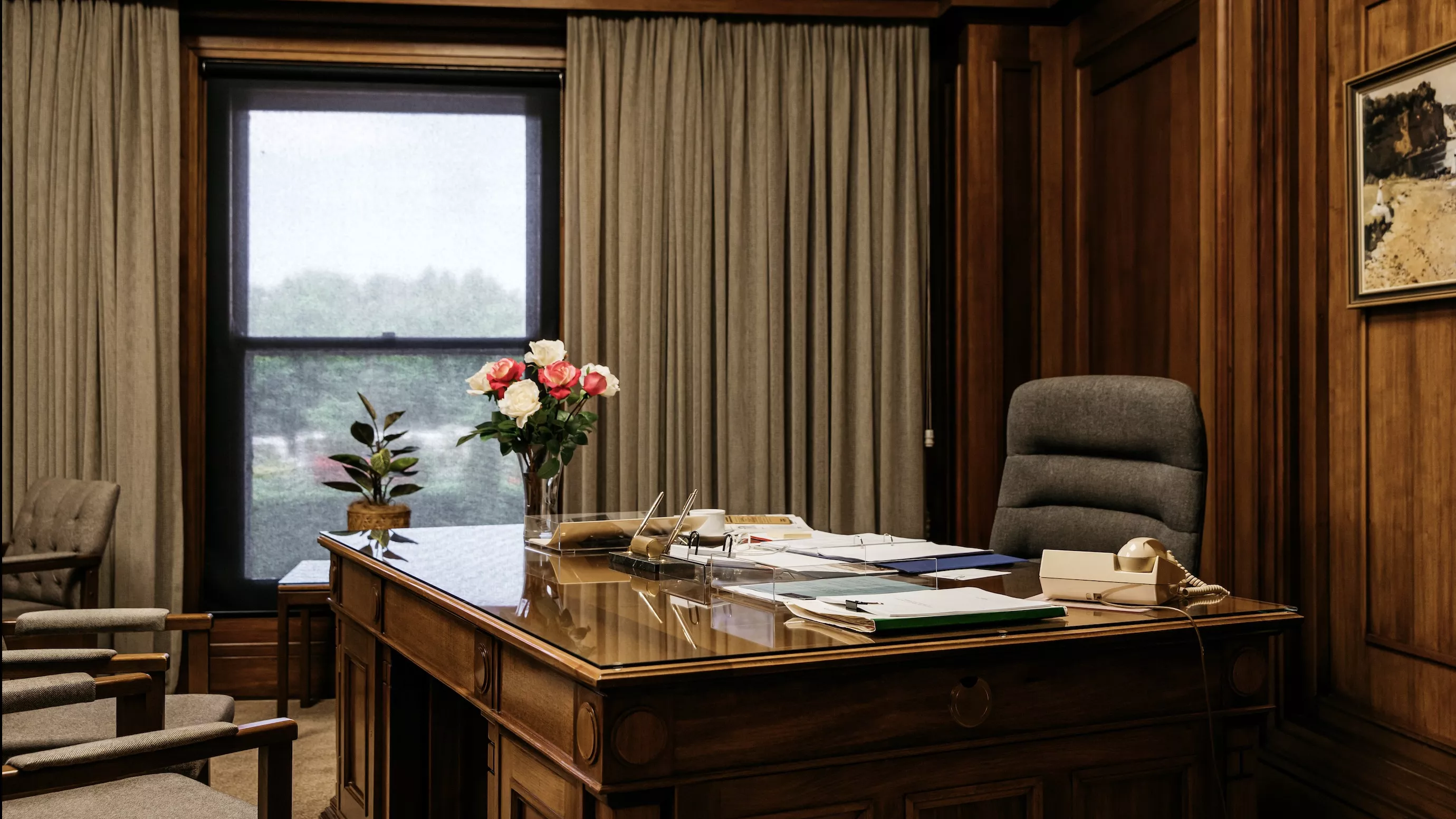
Prime Minister's Suite
Explore the surprisingly humble office where Gough Whitlam, Malcolm Fraser and Bob Hawke once led the country.
 Old Parliament House
Speaker’s Suite
Celebrates the life and work of Joan Child, the first woman to become Speaker of the House.


 Old Parliament House
Government Party Room
The room where party members worked quietly and debated loudly.

 Exhibition
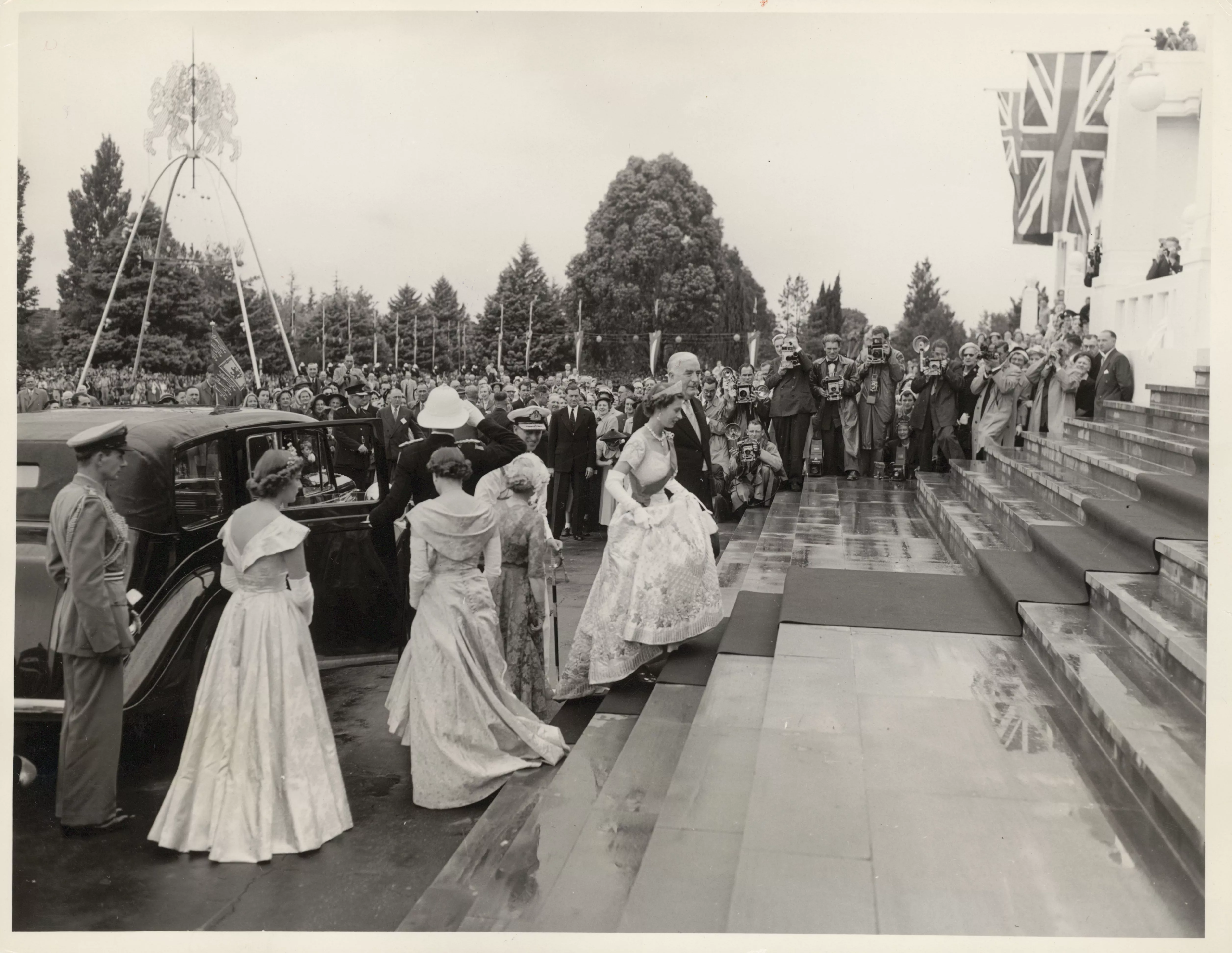
Happy and Glorious
Souvenirs and stories from Queen Elizabeth’s 1954 visit to Old Parliament House.


 Audio
Audio
Changemakers – Hidden Stories
Listen to this audio experience while you're in the Changemakers exhibition or at home.

 Guided tours
Custom group tour
Discover Old Parliament House’s architecture and history with your friends, colleagues or customers.
