Stories
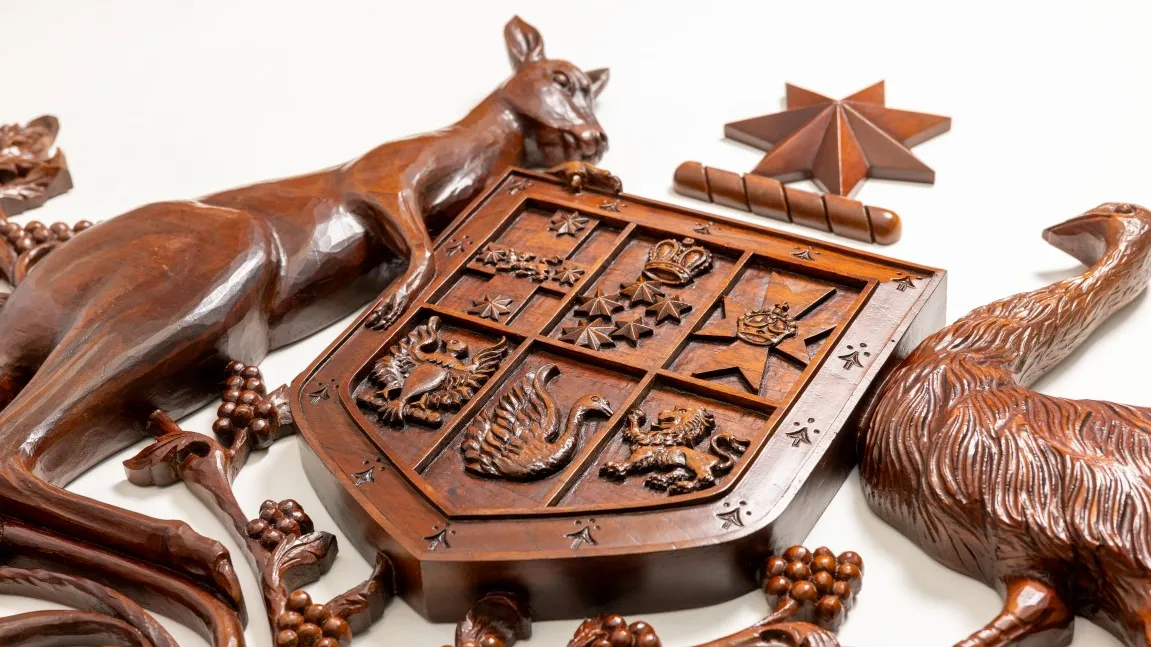
A closer look at the Coat of Arms in the House of Representatives
When we restored the House of Representatives chamber in 2023, we unearthed surprising stories from Old Parliament House's past.
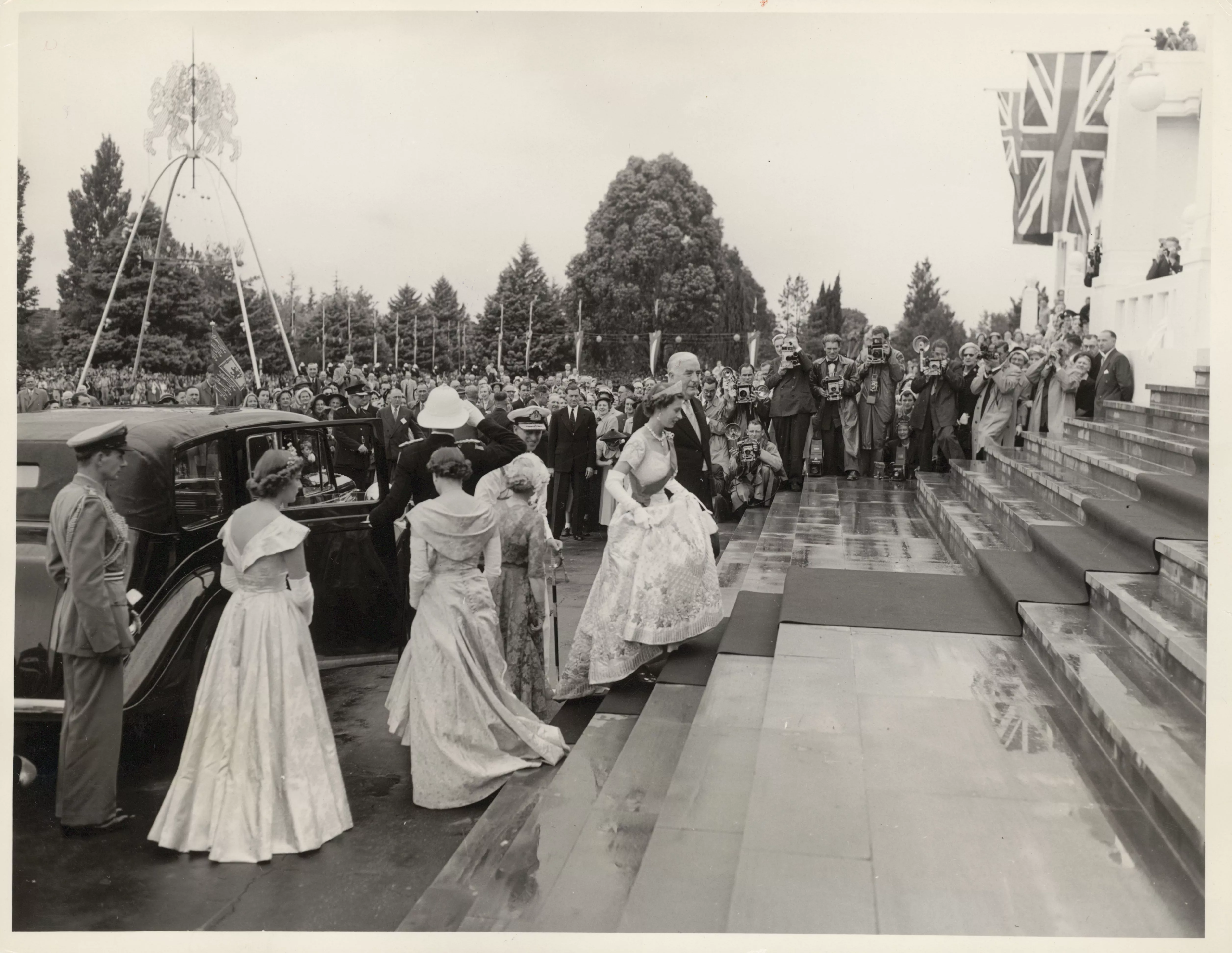
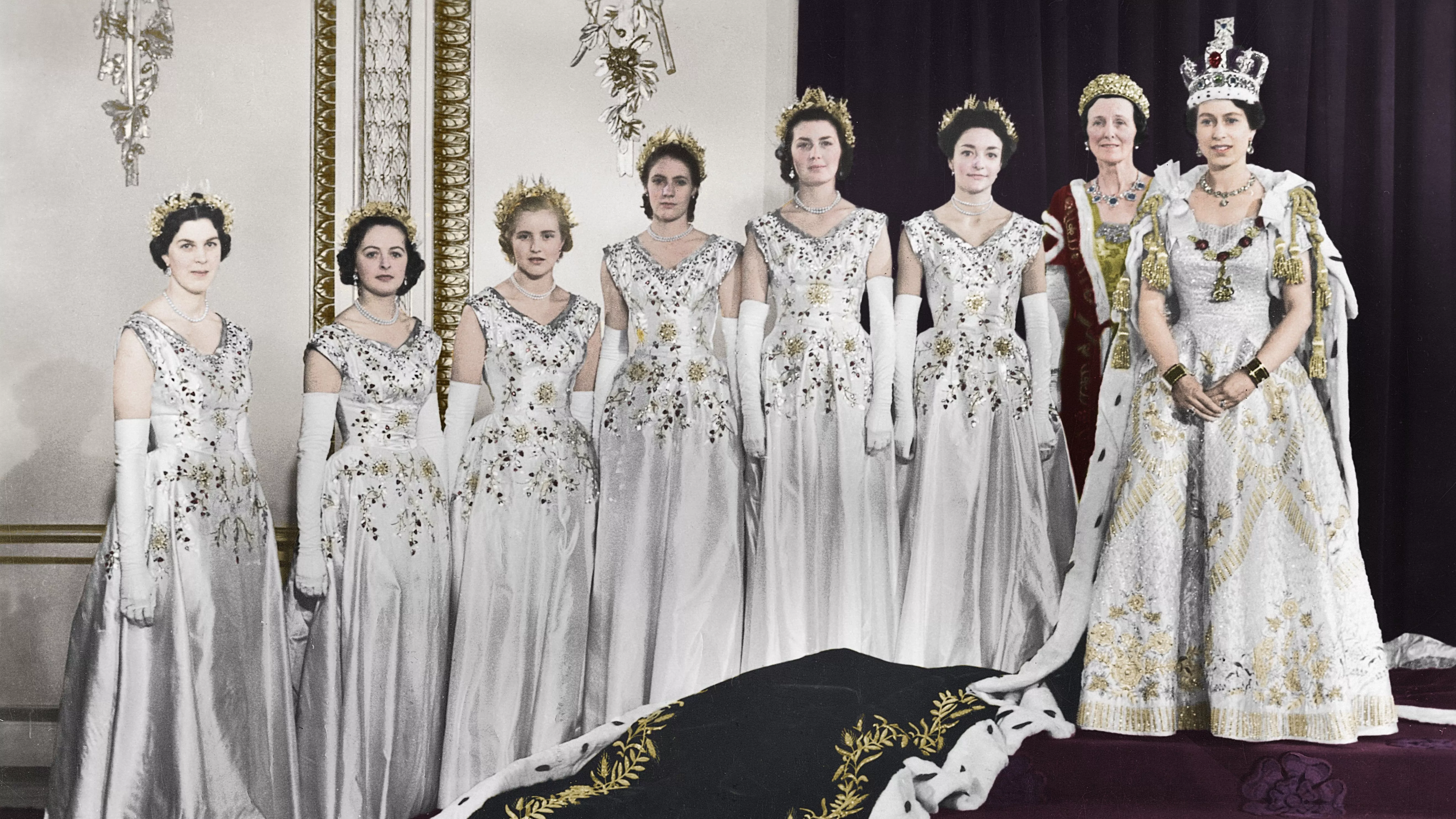
Remembering Elizabeth II in the halls of Old Parliament House
The life and reign of Elizabeth II is closely connected to the history of Old Parliament House.
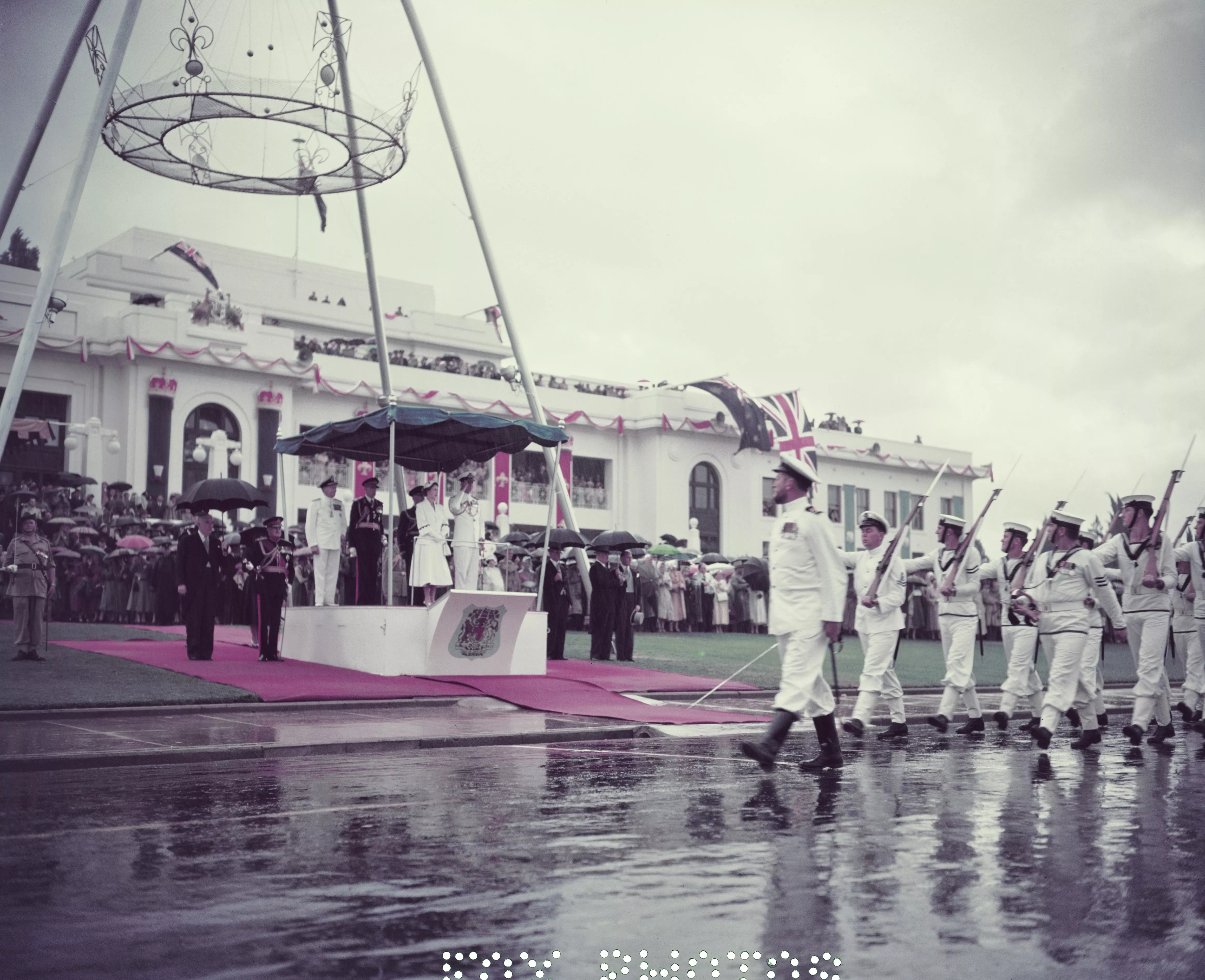
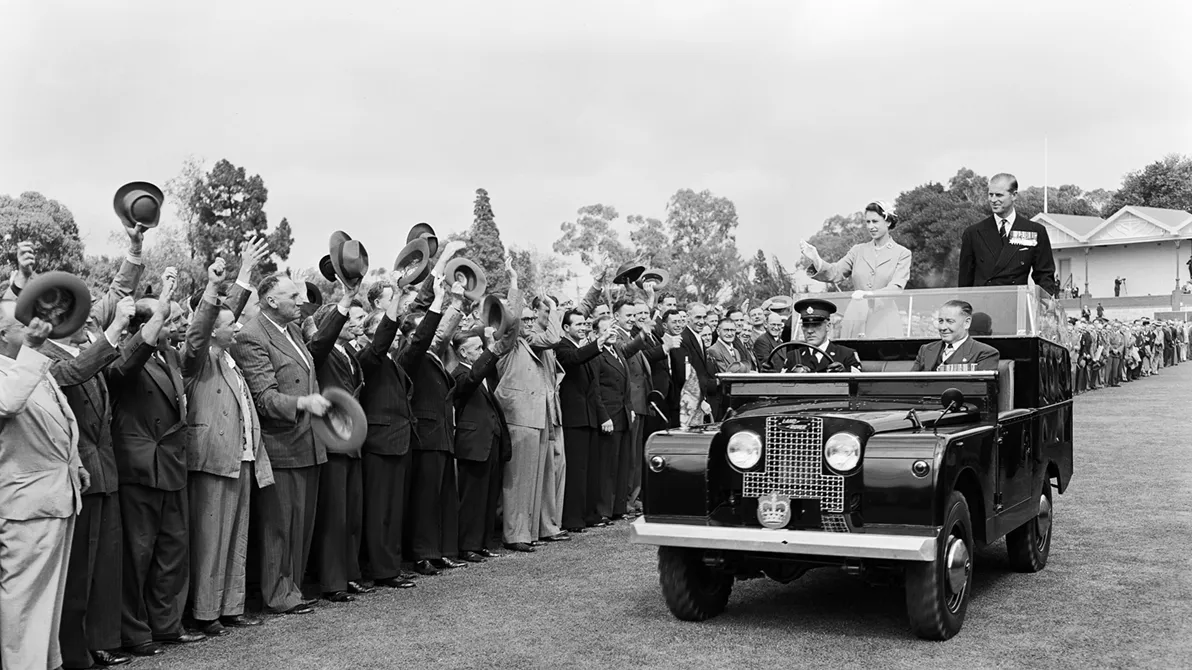
Just add unicorns: celebratory coronation arches from London to Canberra
A royal tour is filled with grandeur and glamour; there’s gowns, tiaras, fancy state balls, and sometimes, even unicorns. Read on to discover how Canberra welcomed not only the Queen, but also mystical beasts from another land.
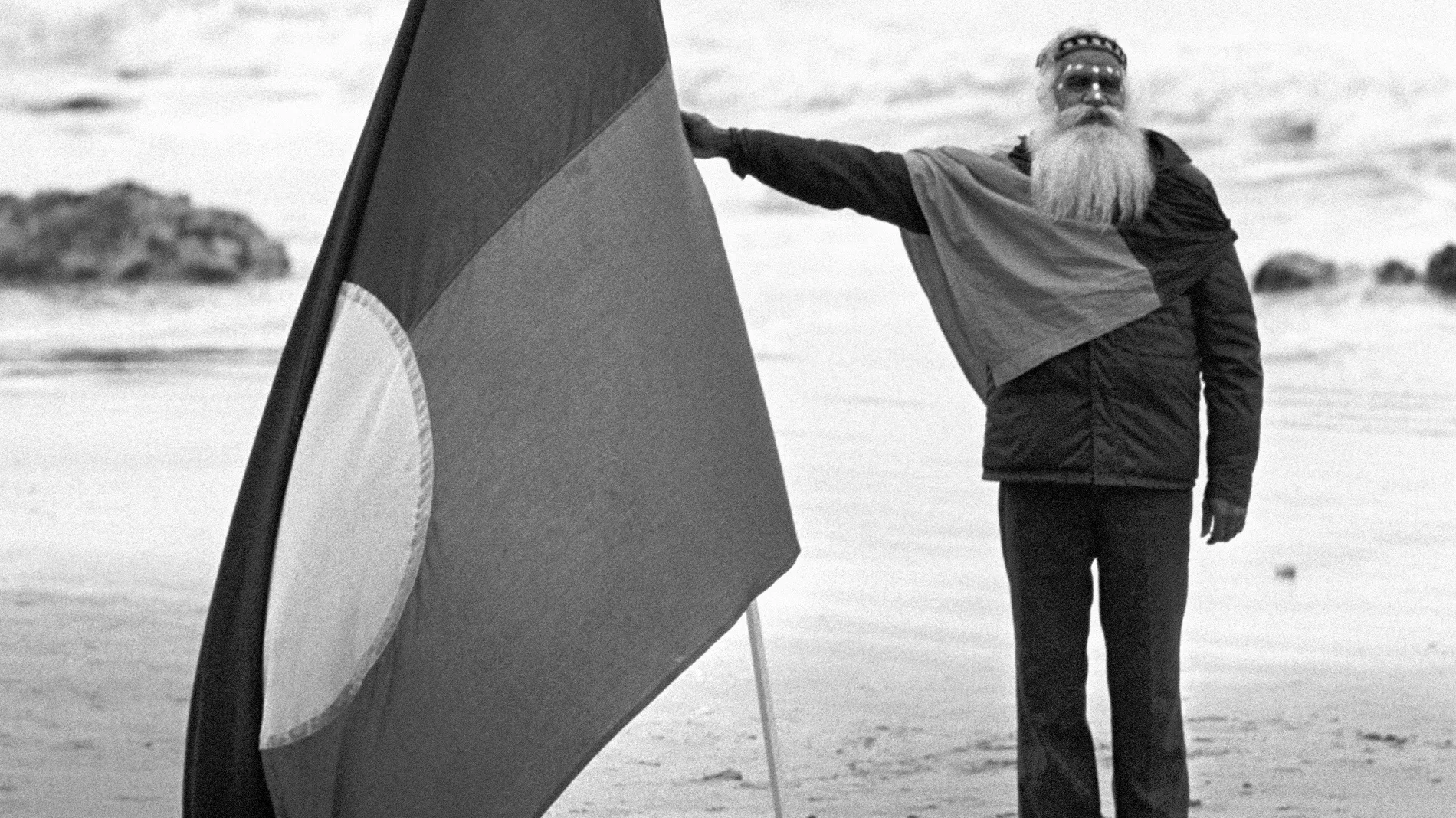
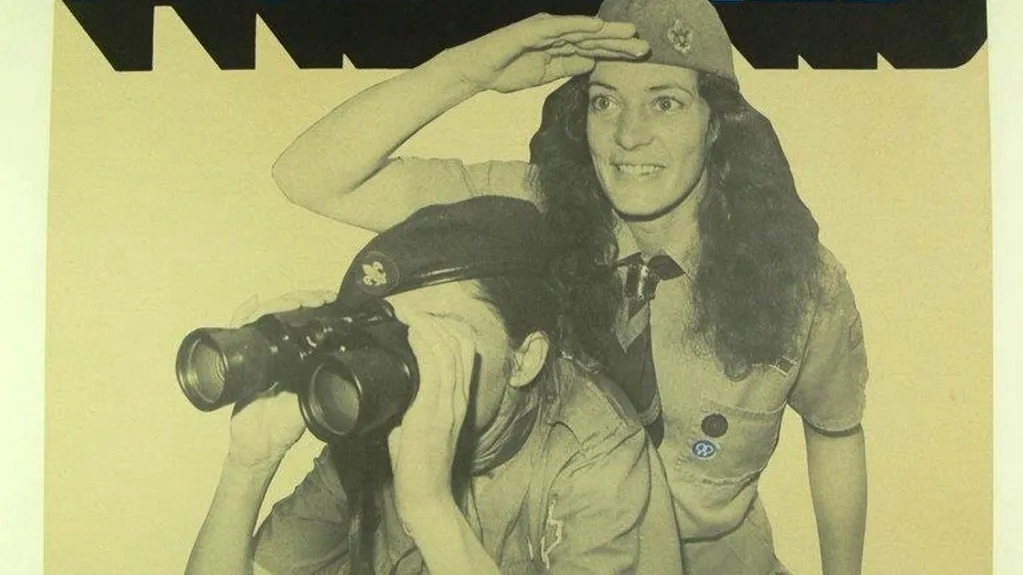
7 people you (maybe) didn’t know ran for parliament
Numerous actors, musicians and sporting stars have a 'political career' subheading on their Wikipedia page, but some have been more successful than others.
A seat at the table
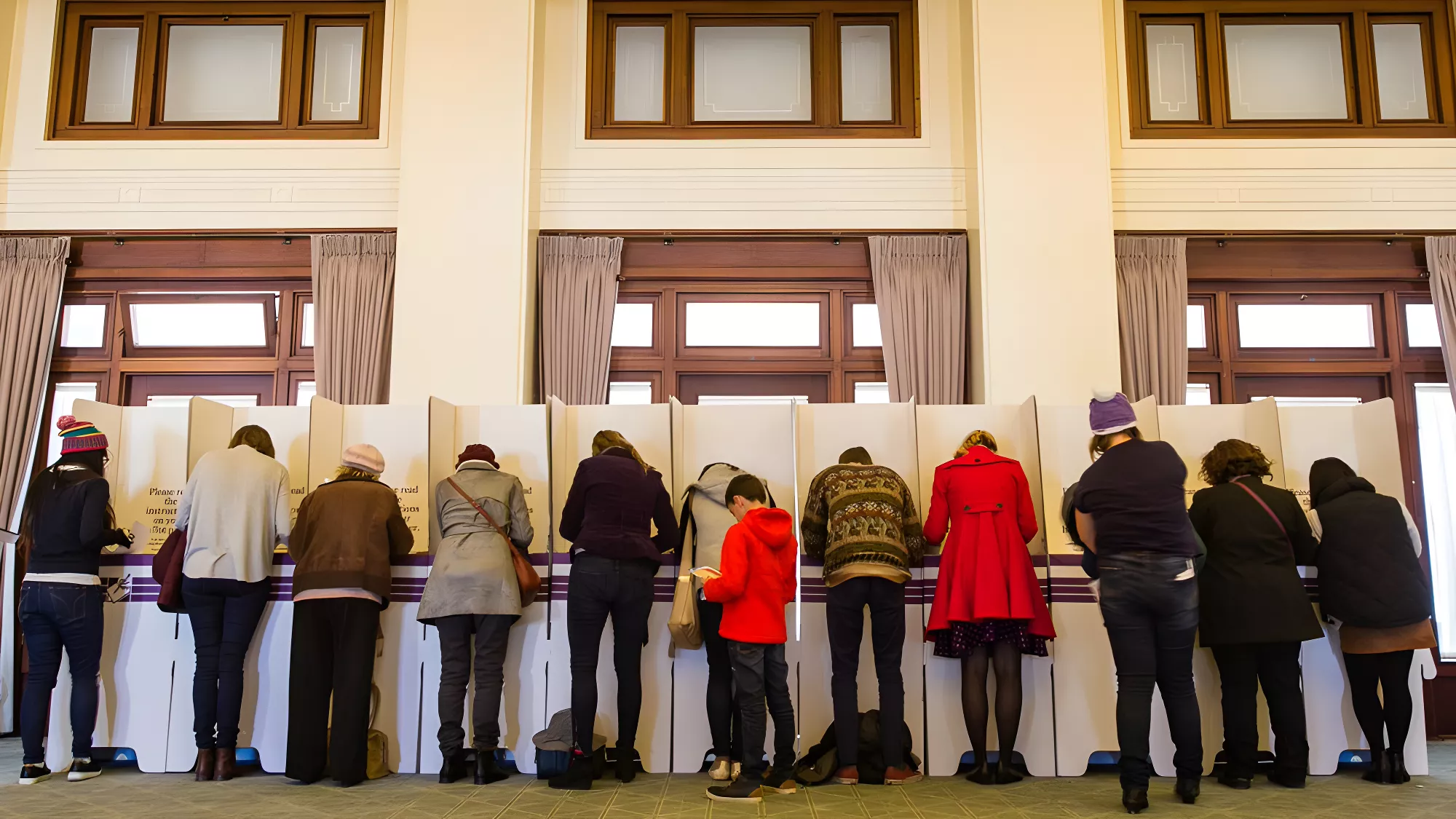
In Australia, the ability to vote reflects a longer story of democracy.
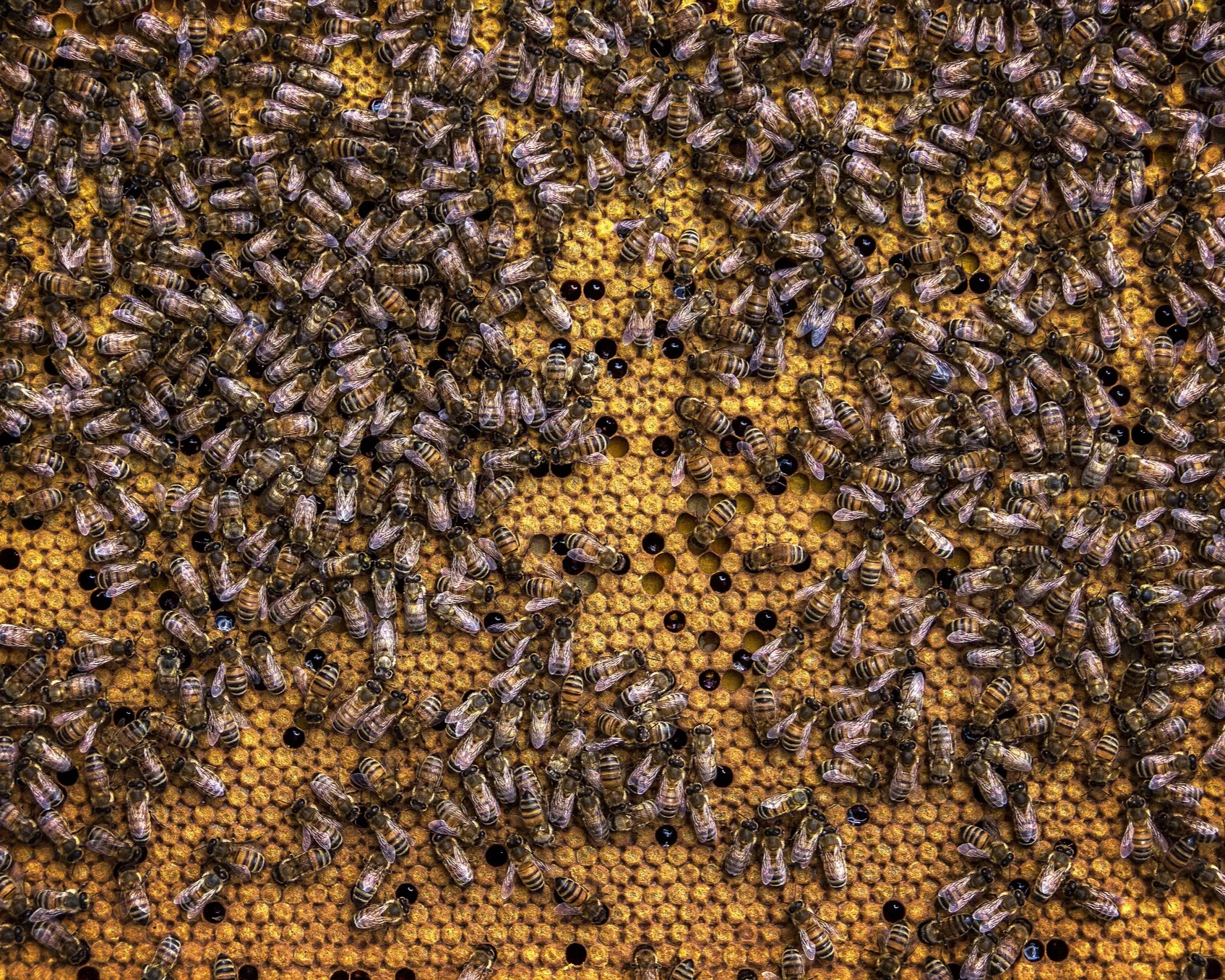
The rise of bee activism – how these humble insects have inspired a mass movement
In recent years, concern for the health of honeybees has sparked a rise in bee activism, helping to shine a spotlight on the challenges facing the world's bee population.
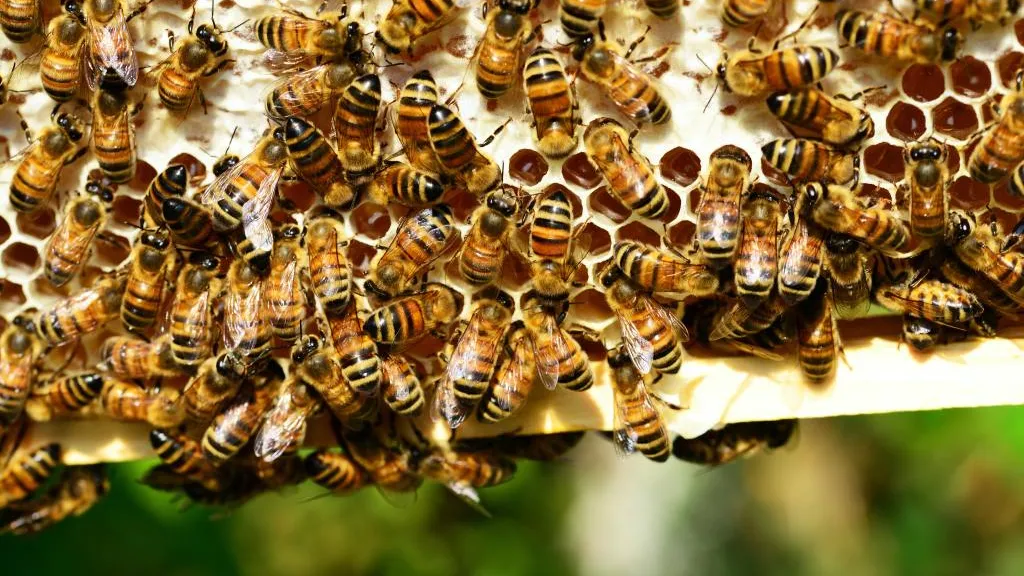
What bees can teach us about democracy
What do honeybees and a House of Parliament have in common?
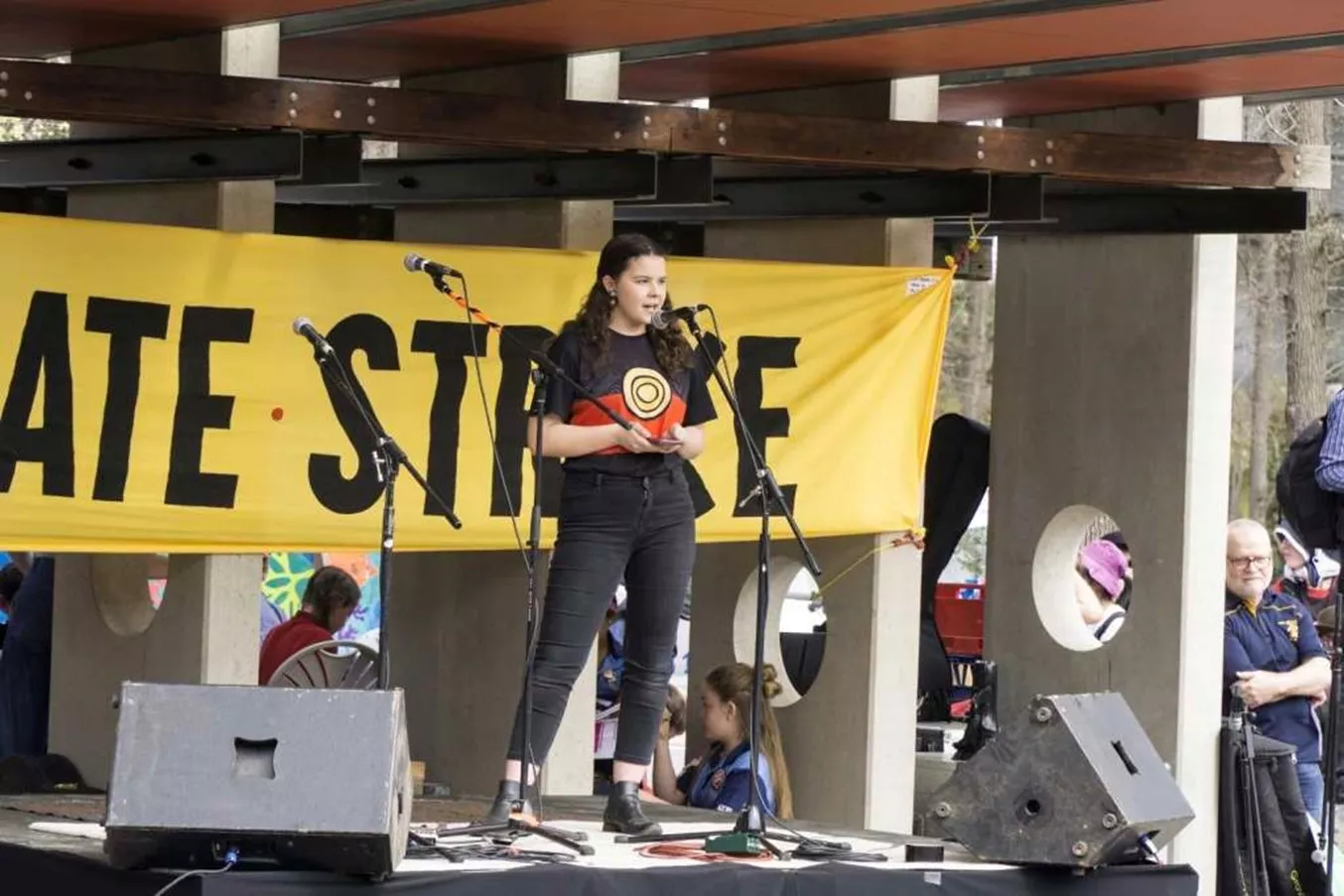
Showing up, learning and yarning – Dhani Gilbert on Healing Country
The theme of NAIDOC Week 2021 is Heal Country.
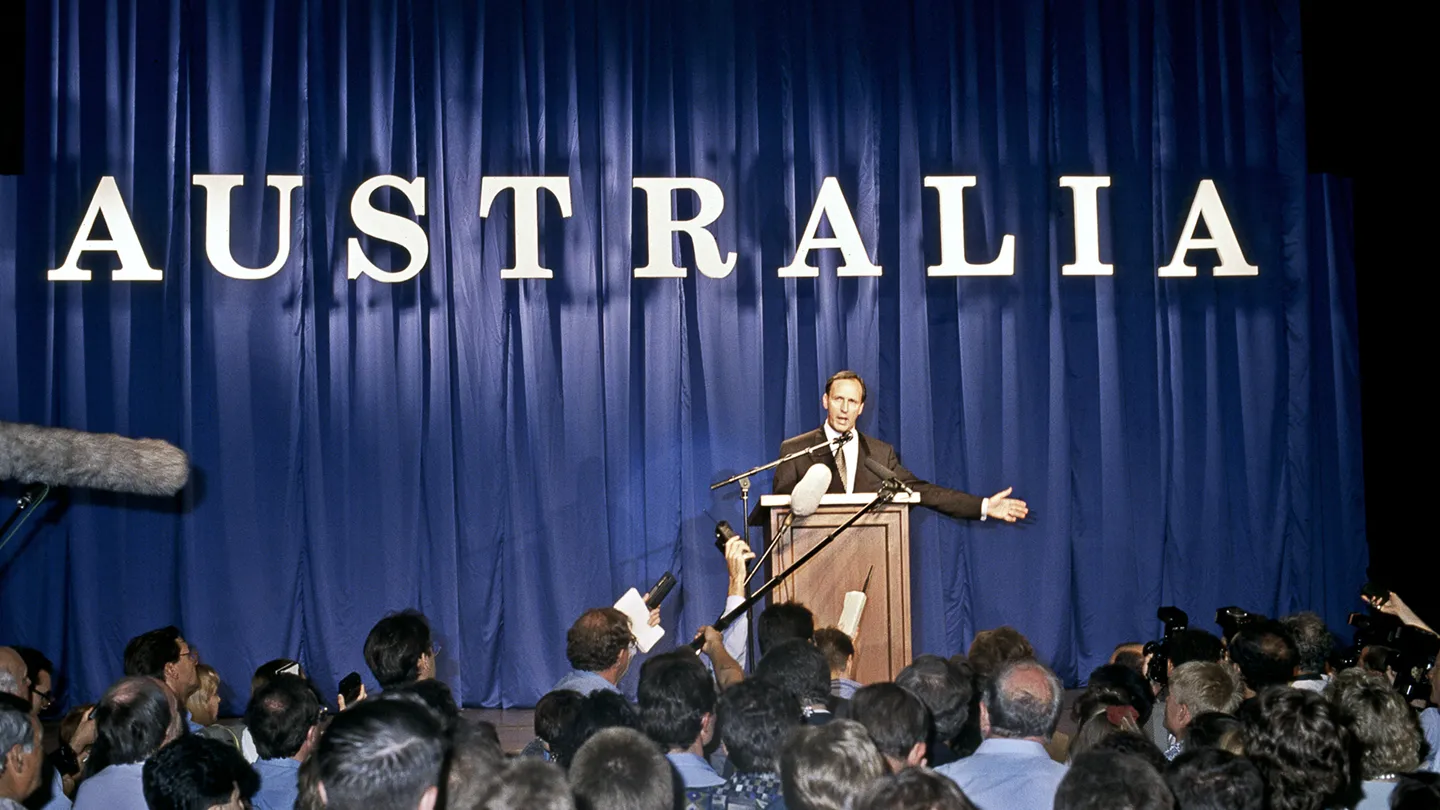
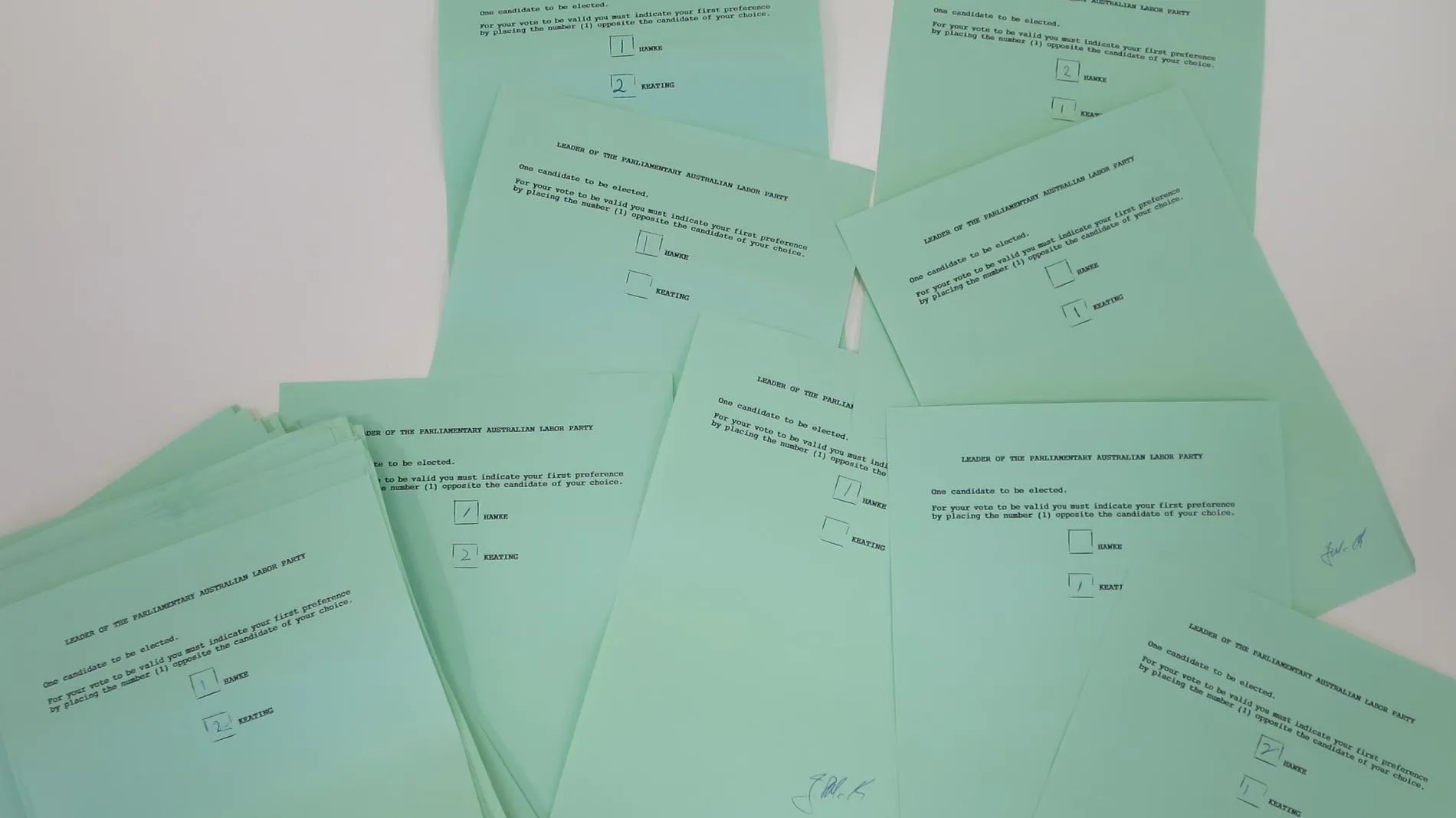
How are party leaders chosen?
In June 2021, the National Party replaced its leader Michael McCormack with former leader Barnaby Joyce, an unexpected change in Deputy Prime Minister.
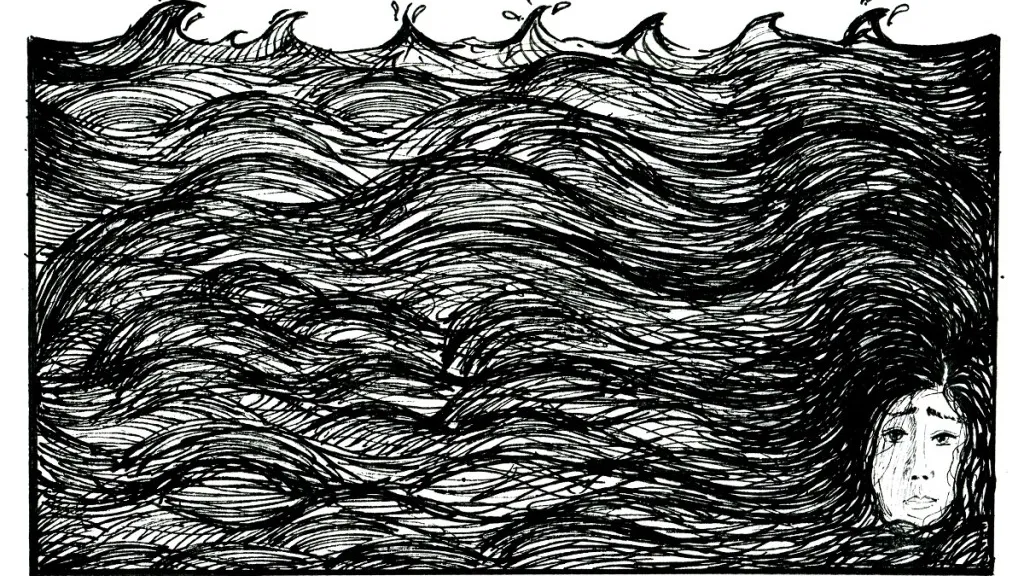
Zines from the Refugee Art Project
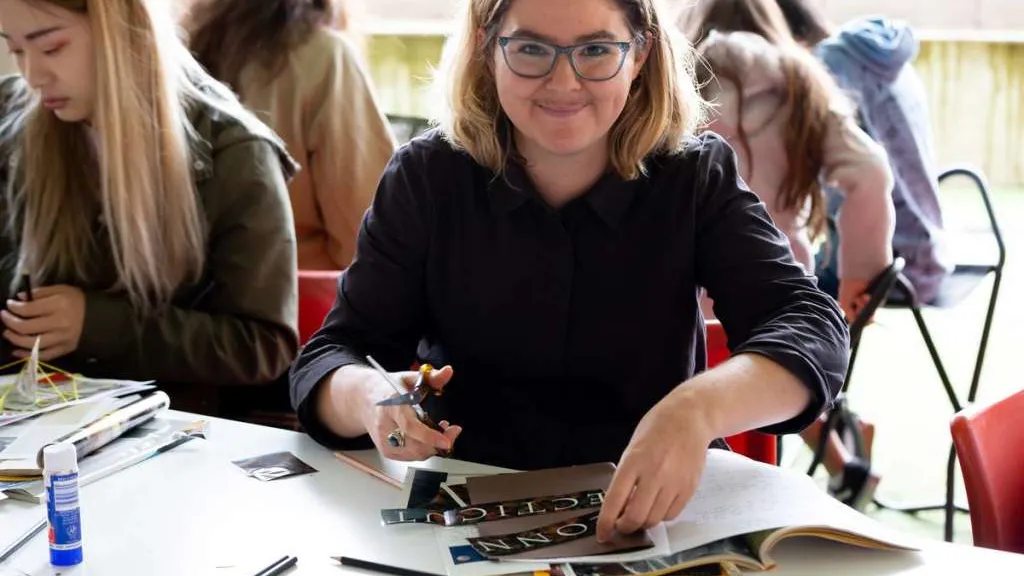
Sydney-based artist, musician and academic Safdar Ahmed has been facilitating the making of zines that share the art and stories of people incarcerated in the Villawood detention centre.

From tulips to trenches: comings and goings in the Old Parliament House Gardens
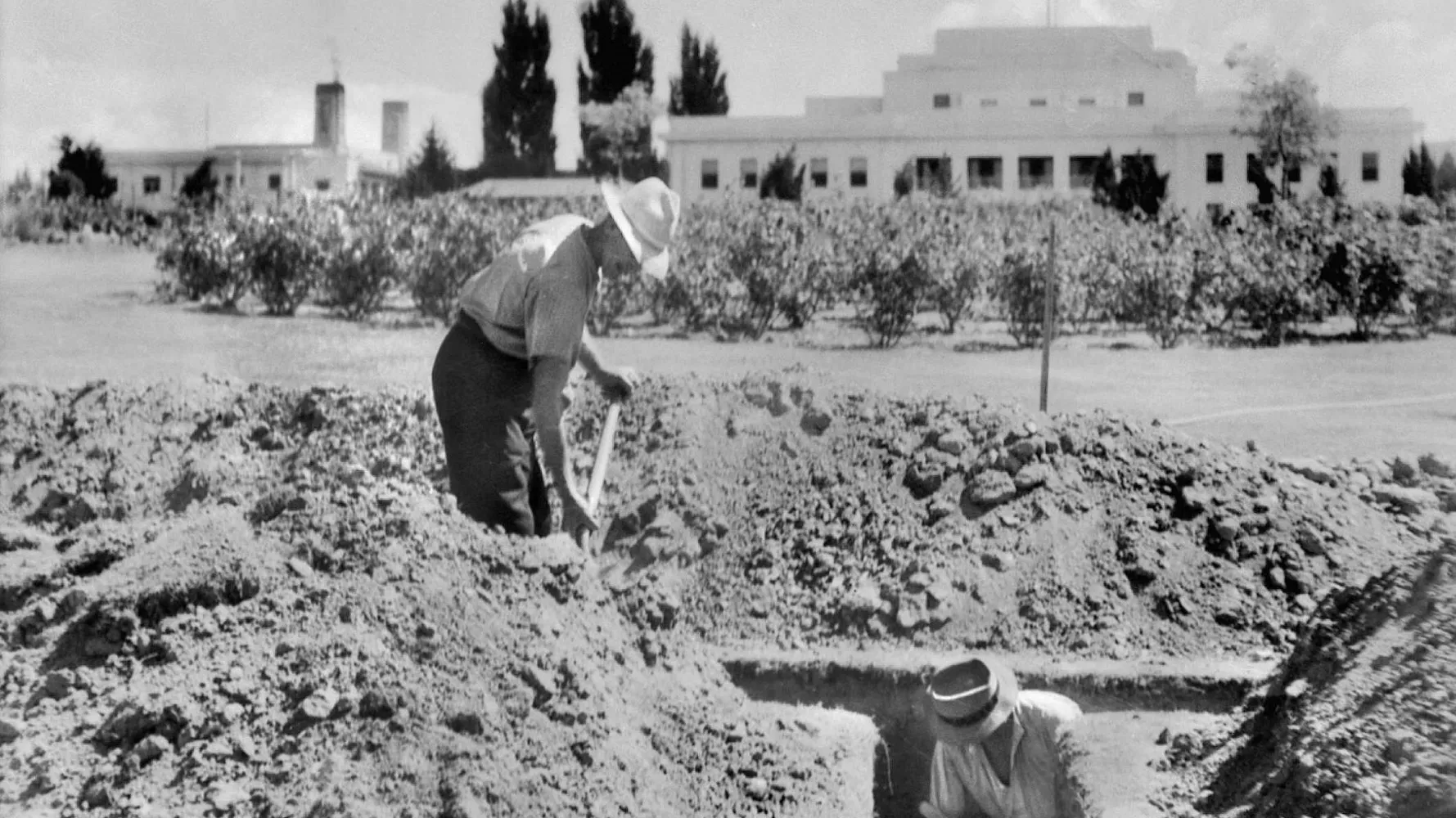
Old Parliament House is flanked by two stunning rose gardens – the House of Representatives and the Senate Gardens.
Sixty years of service: John Campbell
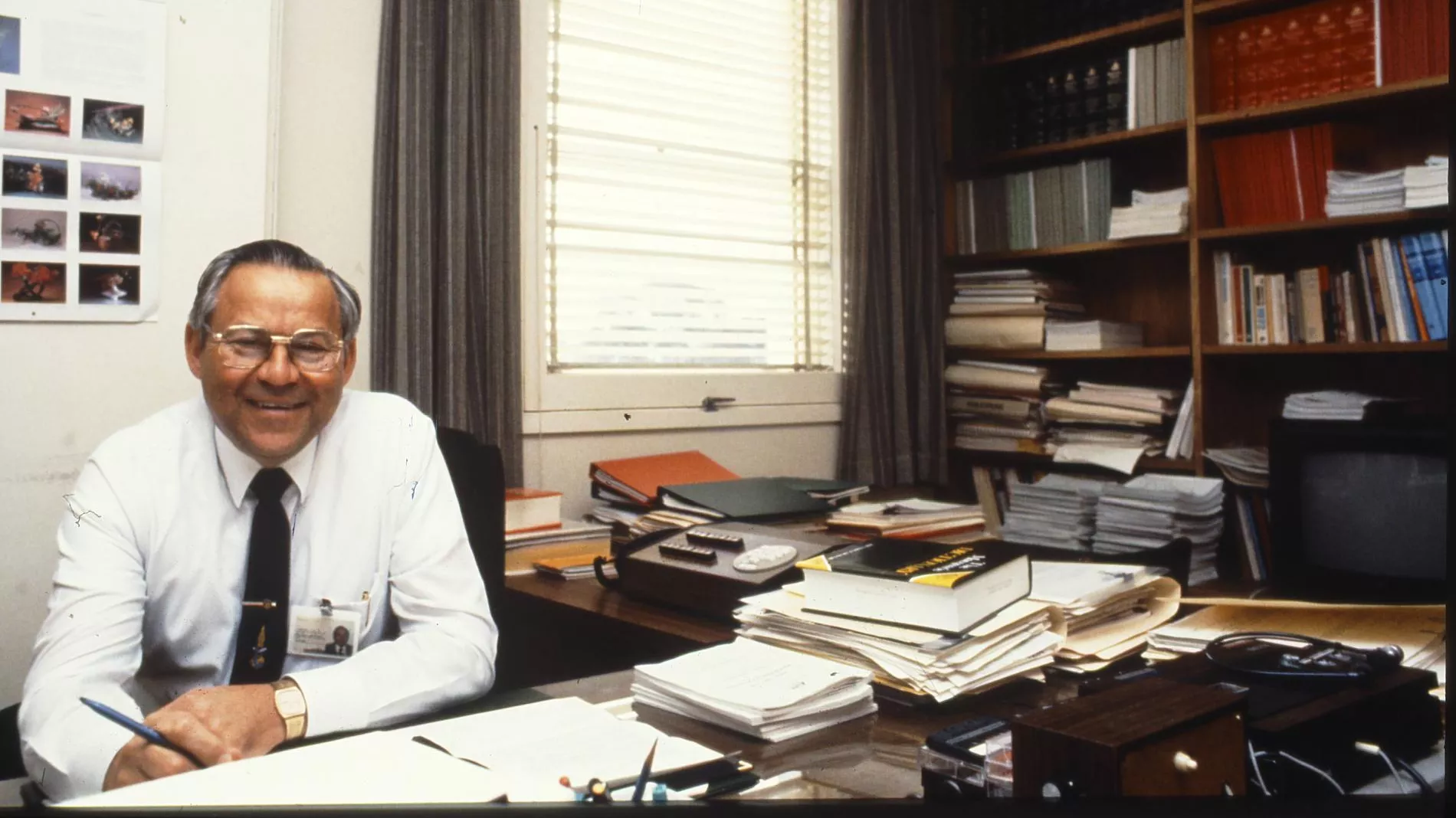
In 1960, a young man in Brisbane noticed a newspaper advertisement for a position of Hansard reporter at Parliament House, Canberra.
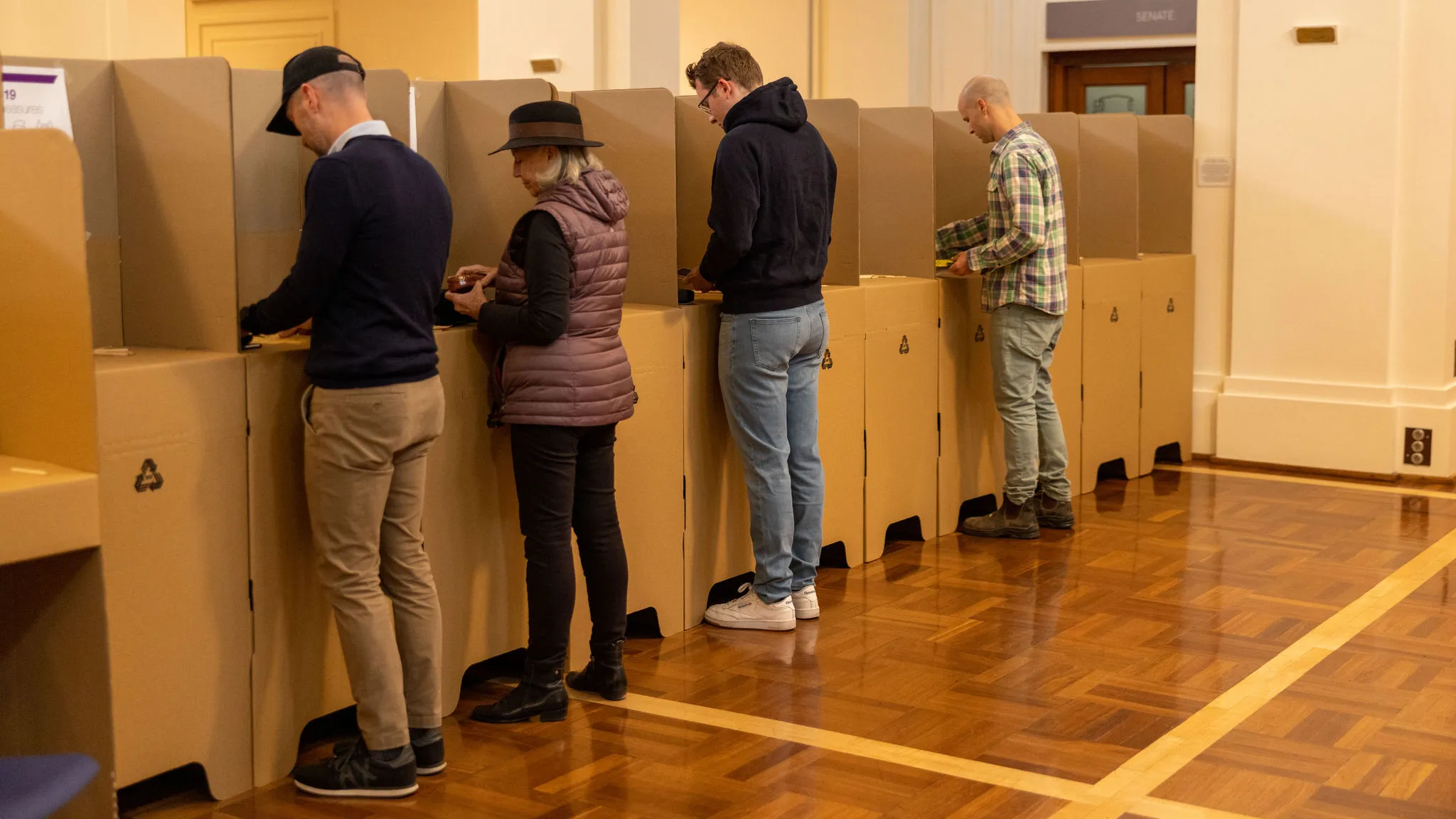
Is it compulsory to like compulsory voting?
There are good arguments, sound, solid, democratic arguments, both for and against compulsory voting.
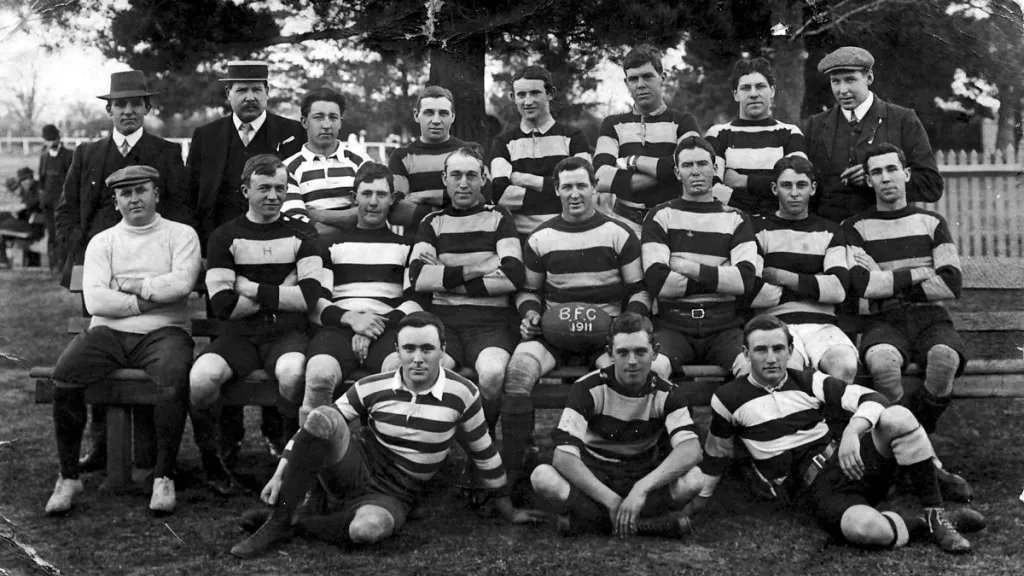
Political football
There are connections between footy and federal parliament stretching back over 100 years.
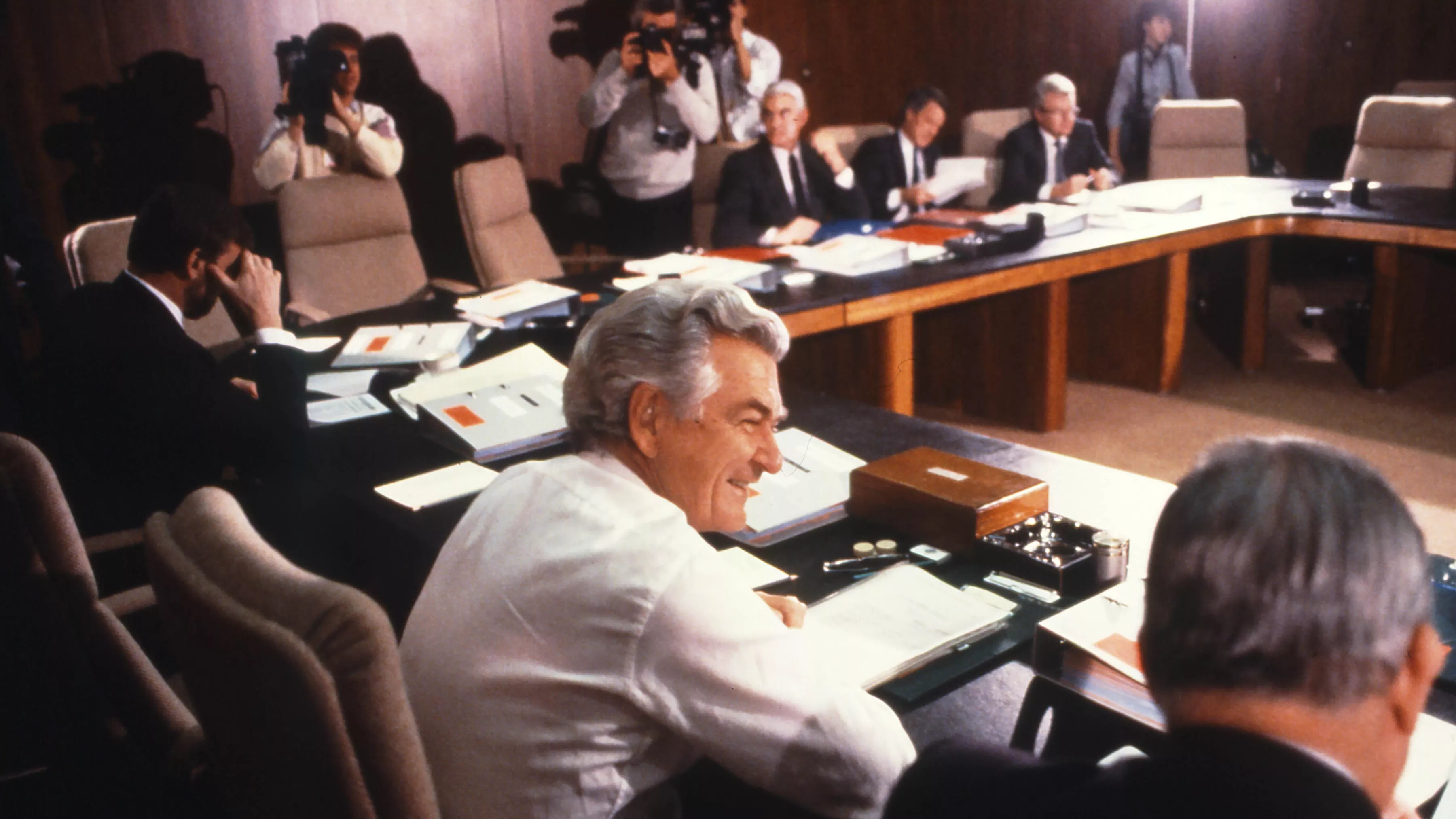
Reflections of Bob Hawke in Old Parliament House
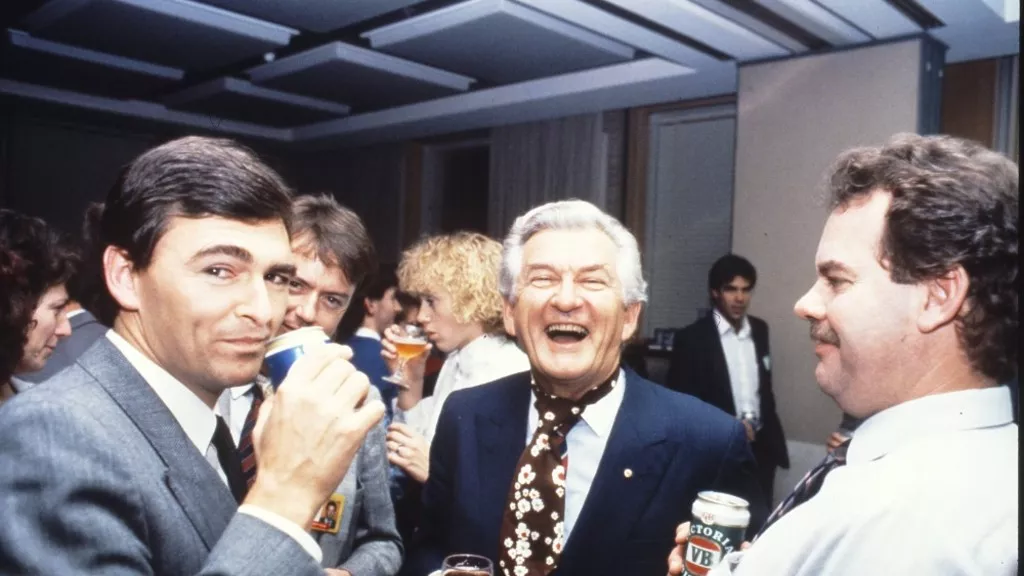
As Prime Minister, Bob Hawke served five years in the Old Parliament House and three in the new.
What is a vote of no confidence?
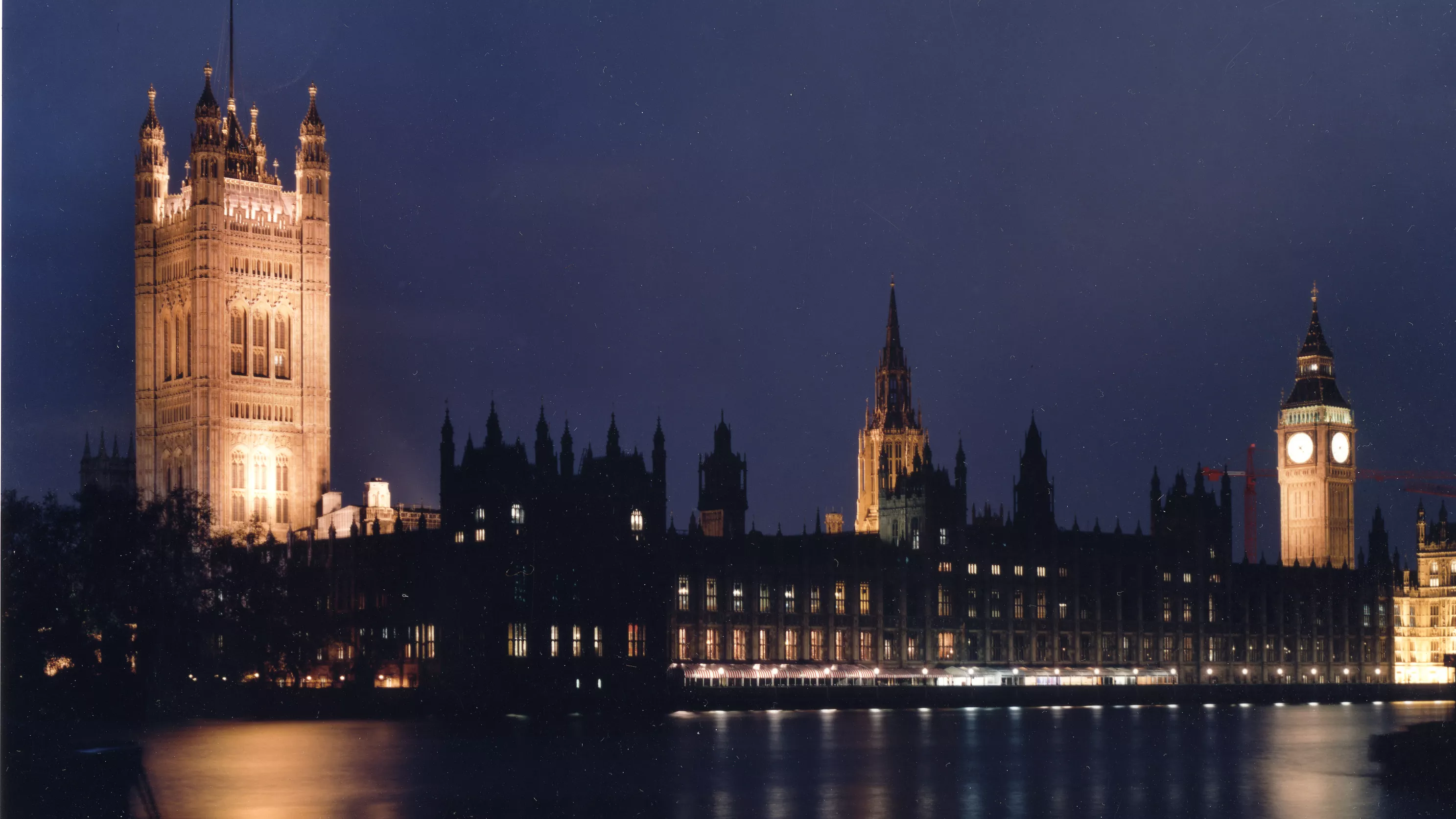
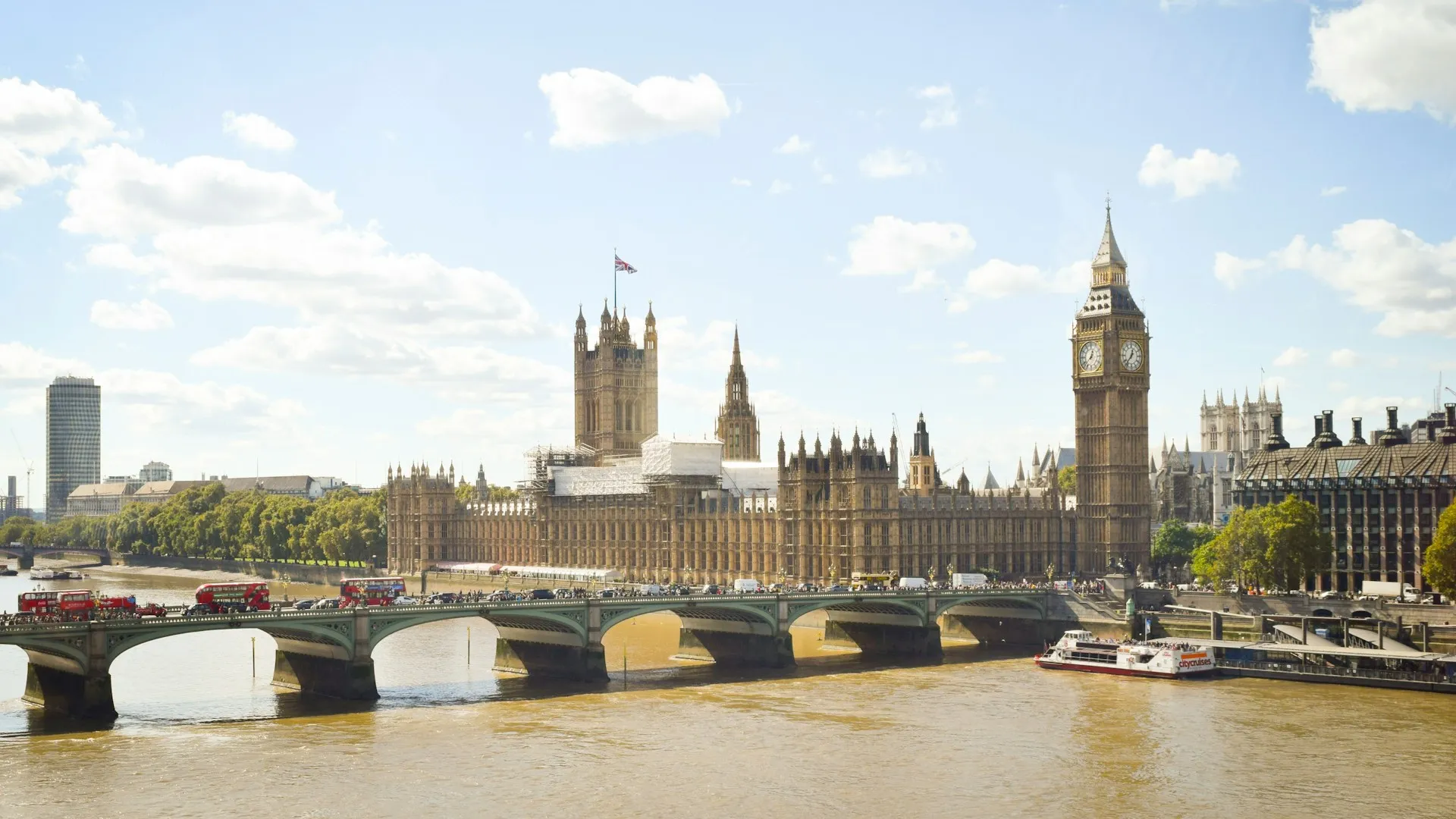
Many Australians follow British politics, because of the ties between the two countries.
The strange provenance of the Fairfax collection
Provenance relates to the origins of an object.
A doctor in the house? Five doctors who served in the Commonwealth Parliament
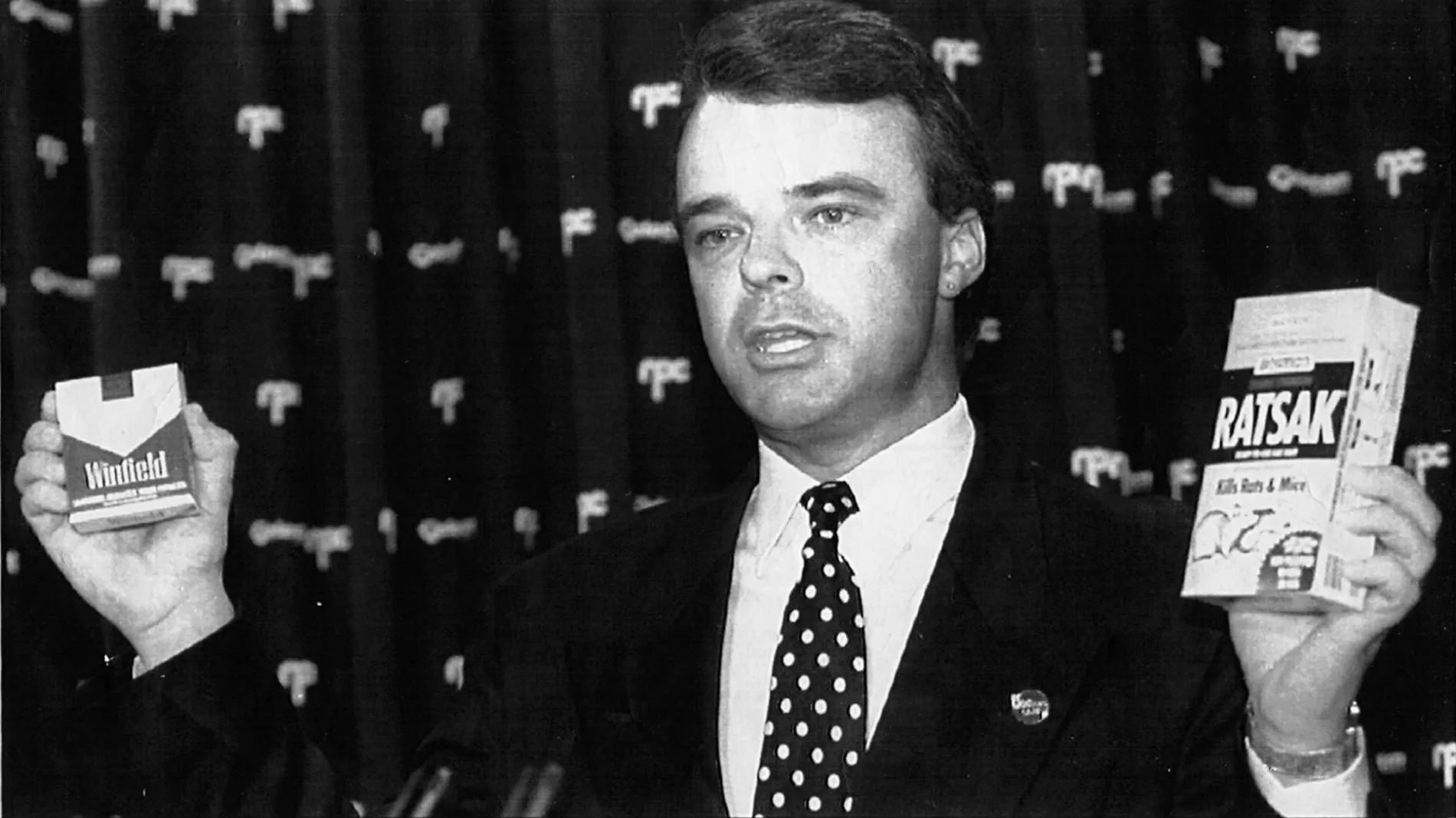
In 2018, Dr Kerryn Phelps was officially sworn in as the Member for Wentworth in the House of Representatives.
Leadership spills plague Australian politics, but what does our system protect us from?
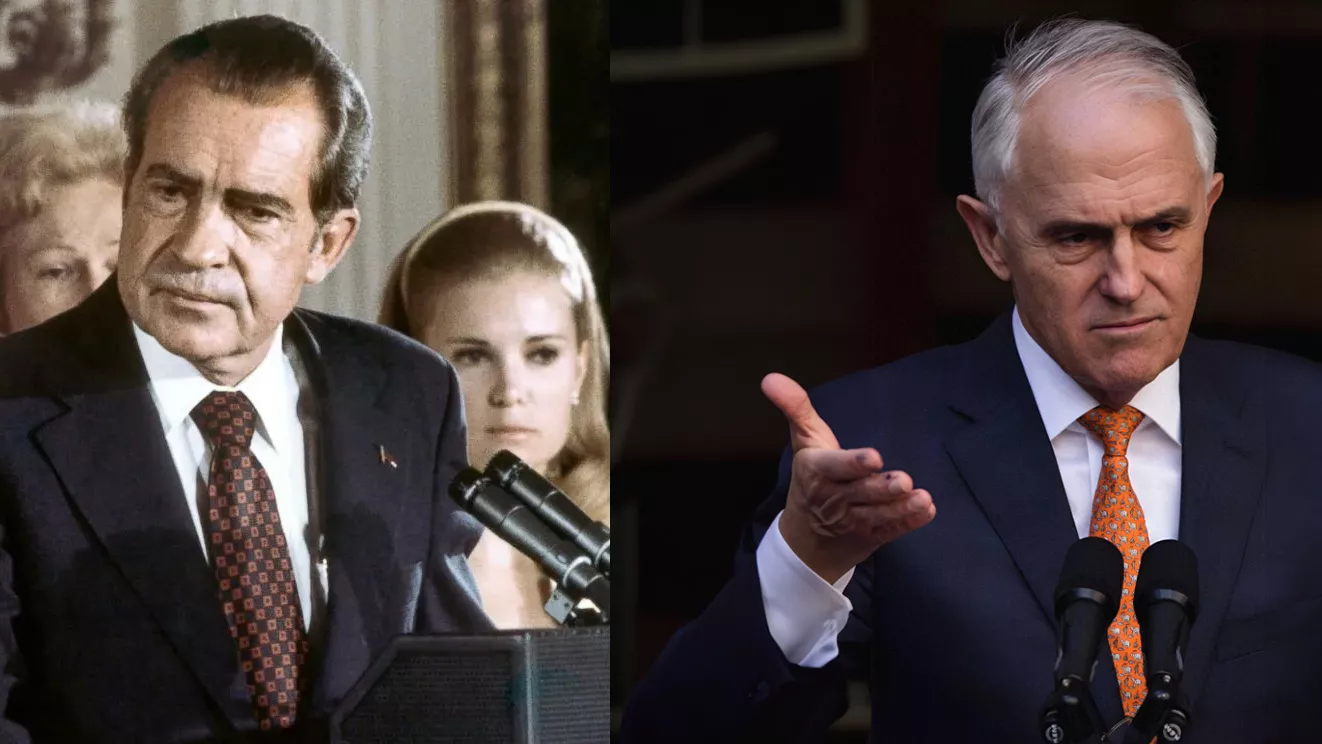
Political leadership in Australia has been characterised by instability and rapid change since the Howard government fell in 2007.
Australia vs America – midterm elections and their influence
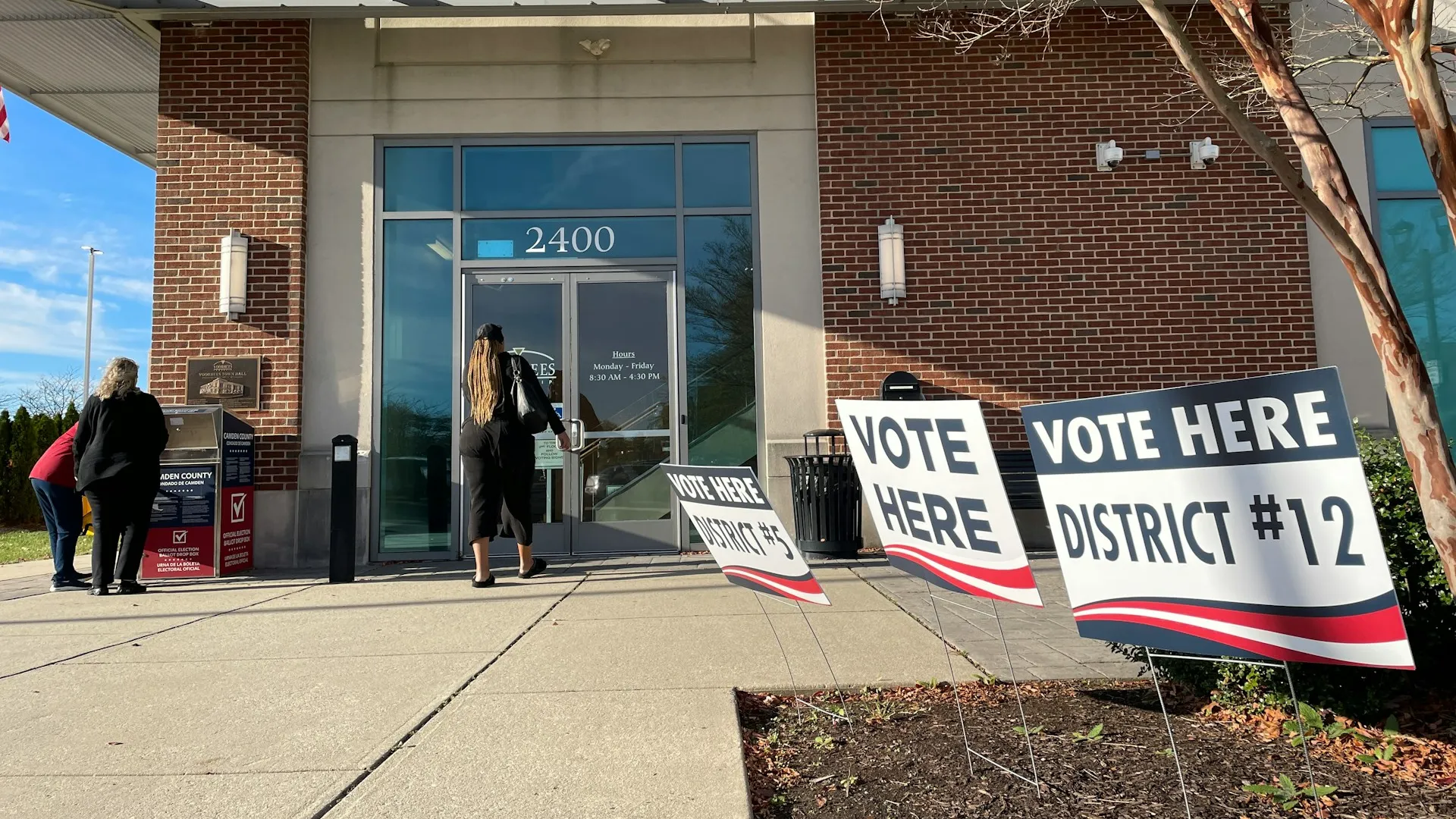
Halfway through a presidential term in the United States, voters go to the polls for 'midterm elections'. How is this different from Australia?

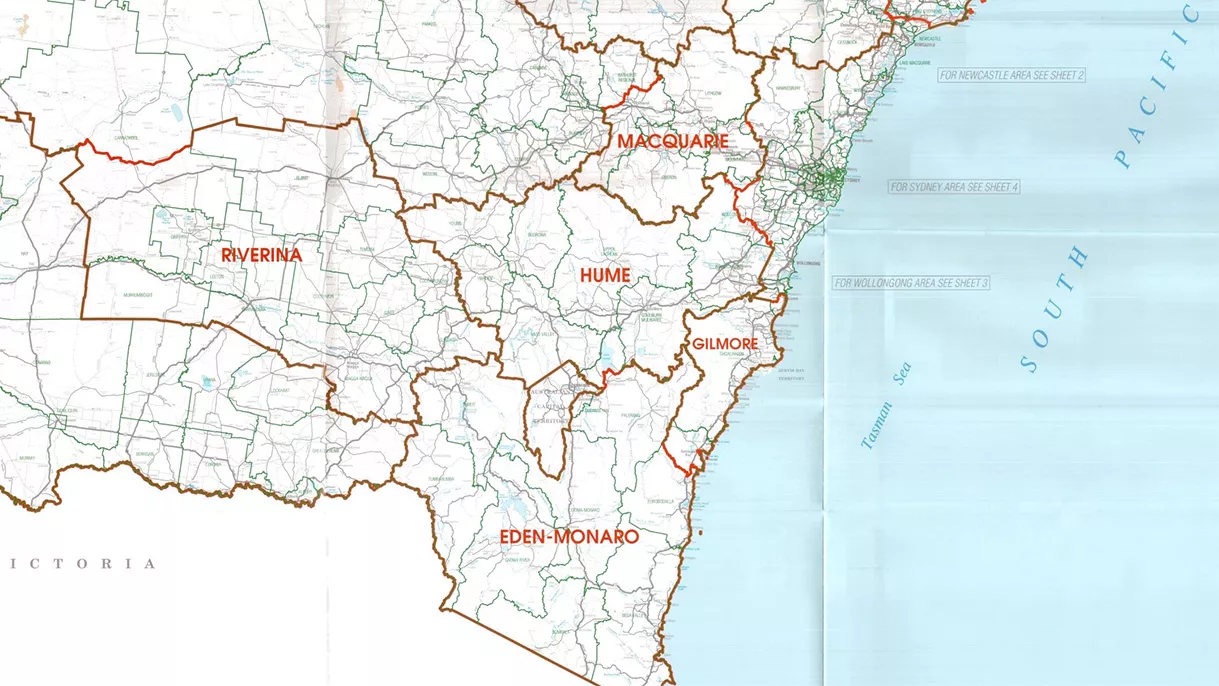
What is a redistribution?
At least once every seven years, the Australian Electoral Commission has to reassess and redraw the boundaries of a state's federal House of Representatives seats.
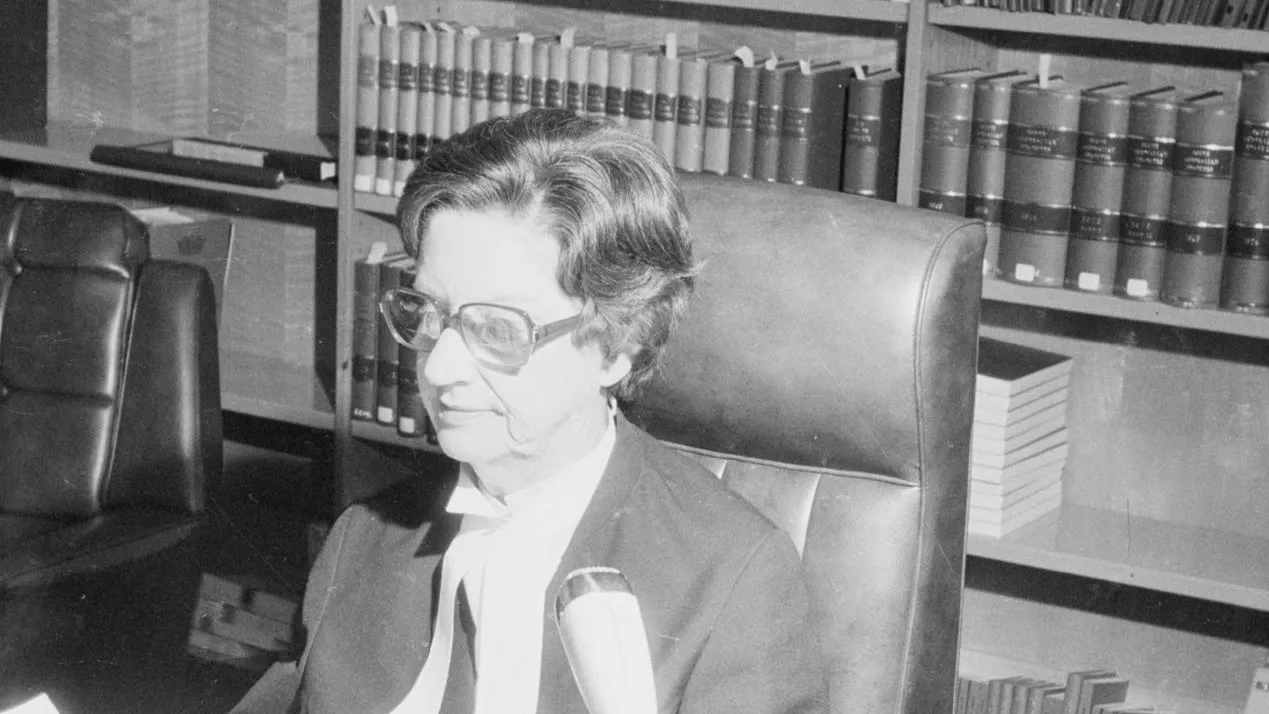
What does a state governor do?
Every state has a governor representing the Crown, but what do they actually do? And who gets to be one?
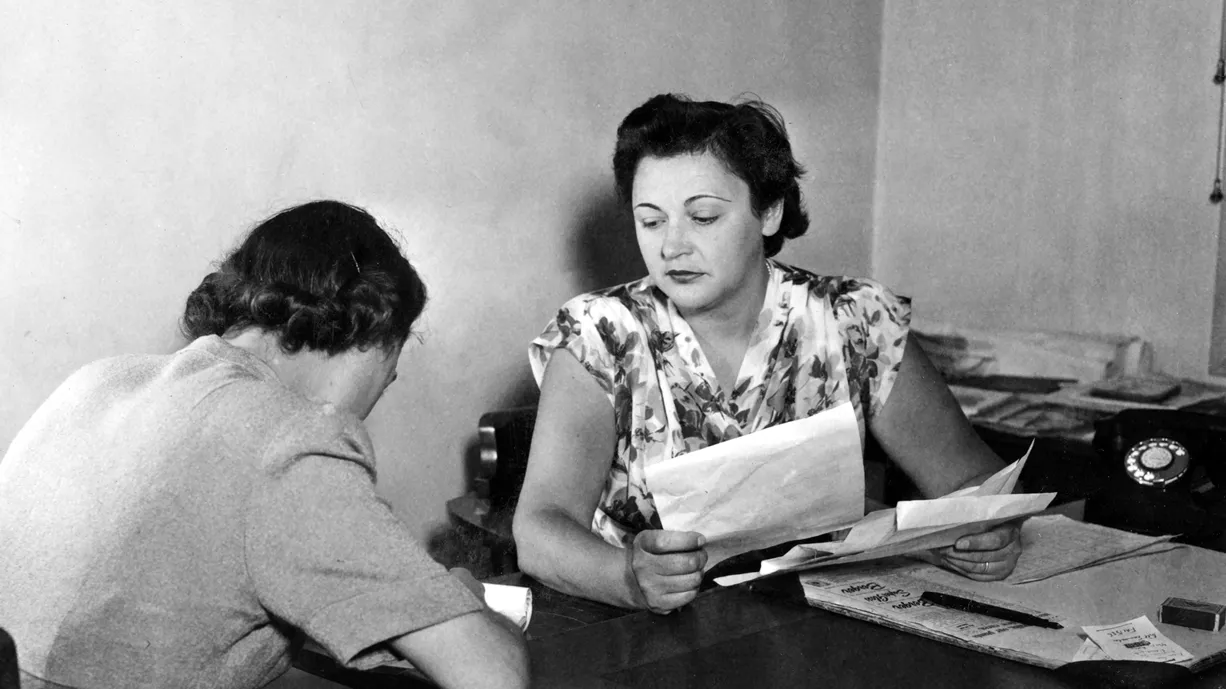
Agitators, suffragettes and spies: 7 women you should know
Seven Australian women outside politics.
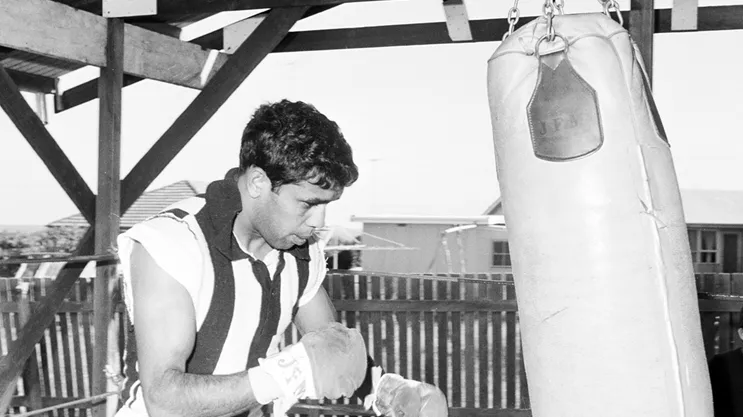
Lionel Rose's world championship 50 years on
In 1968, Lionel Rose became the first Aboriginal Australian to win a world championship.
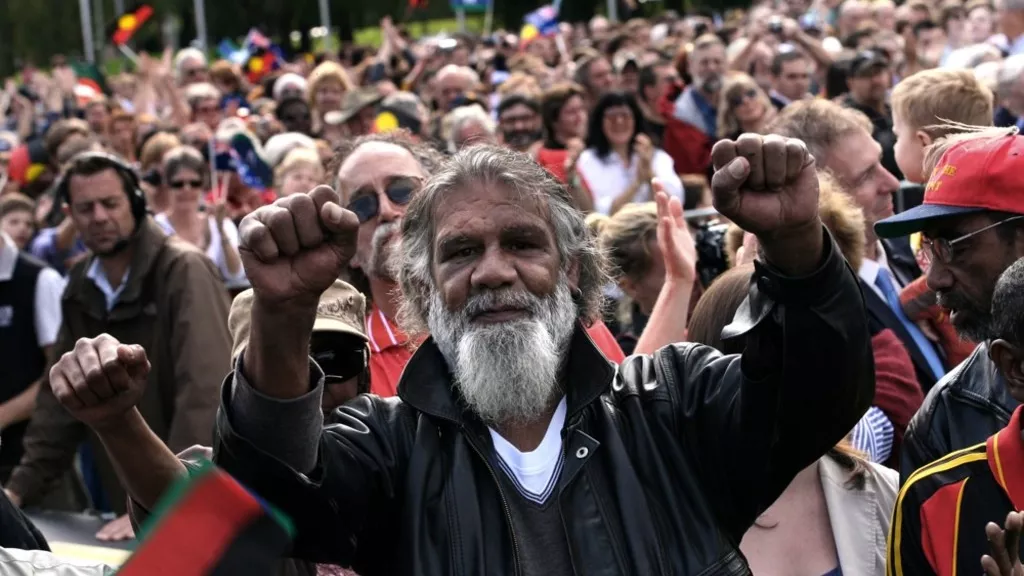
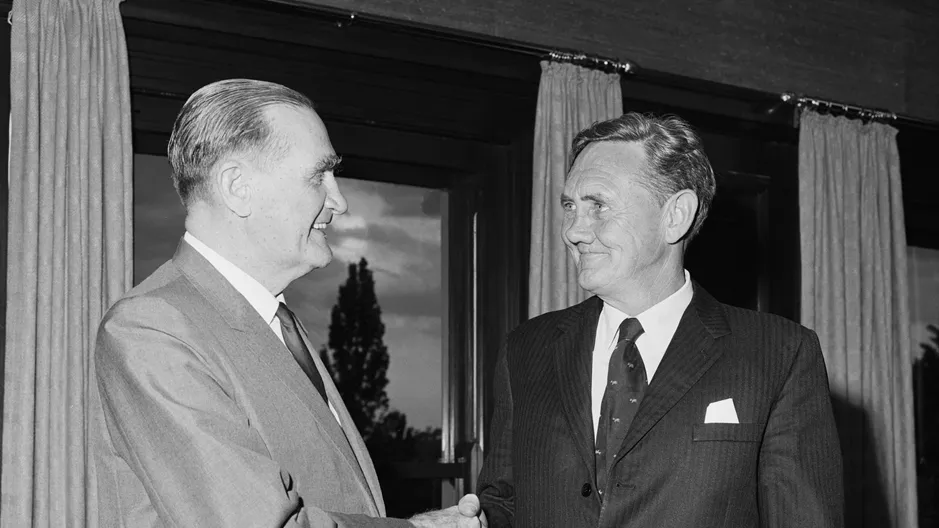
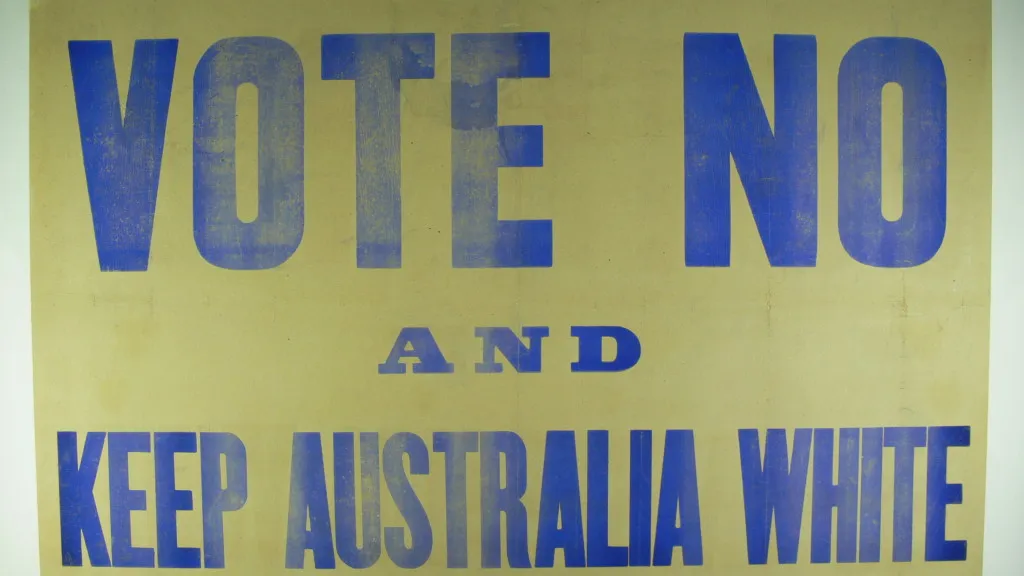
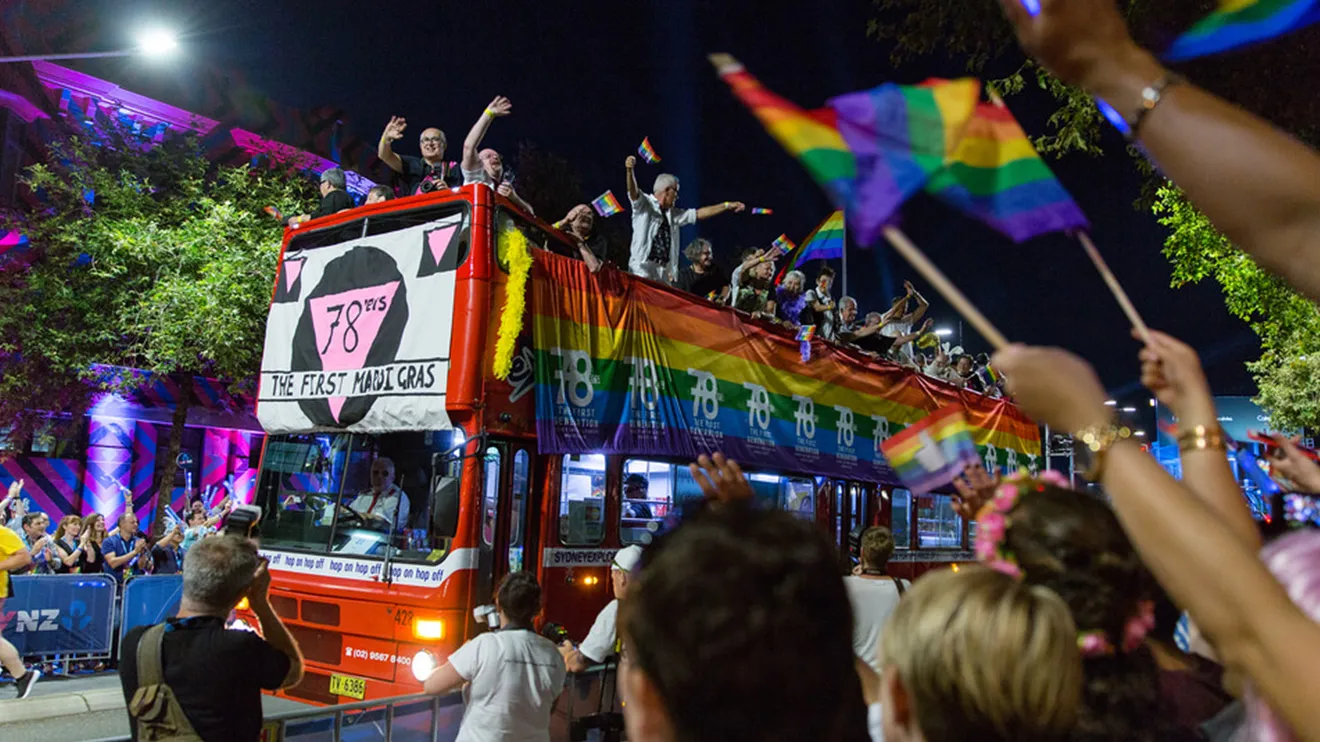
Red, white and blue: the Australian flag
Australian National Flag Day is observed on 3 September.
Arthur Calwell and the gift of immigration
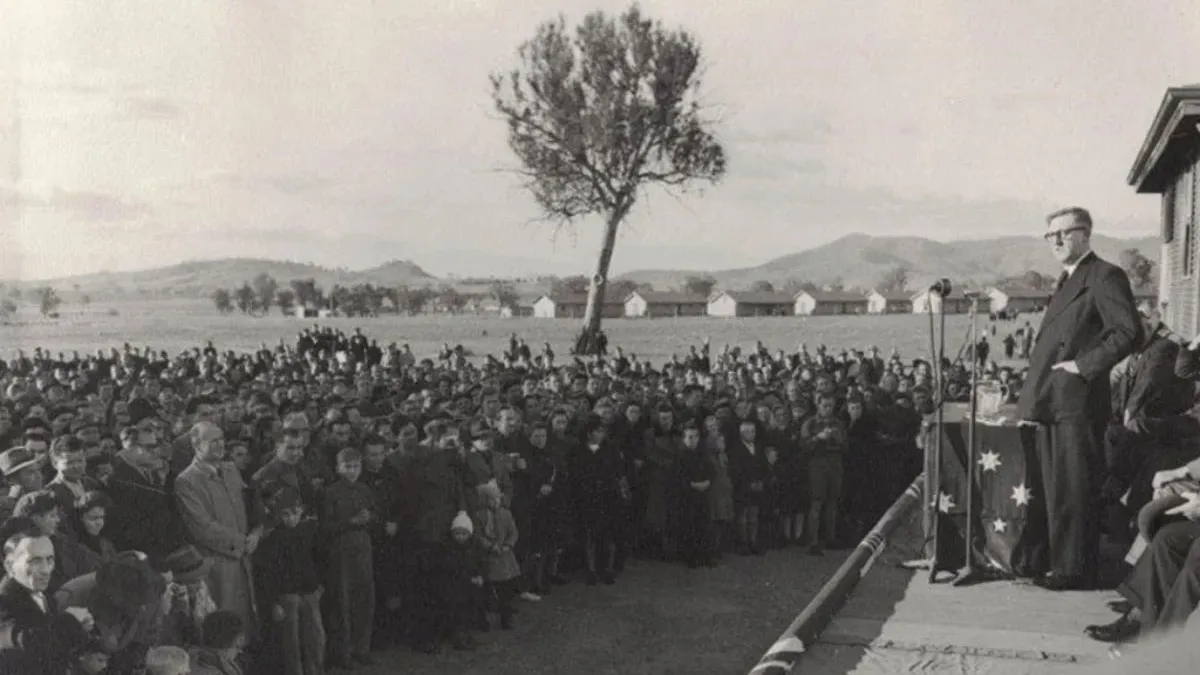
When Arthur Calwell addressed parliament as the first Australian Minister for Immigration on 2 August 1945, Australia was still at war.
A voice from the past
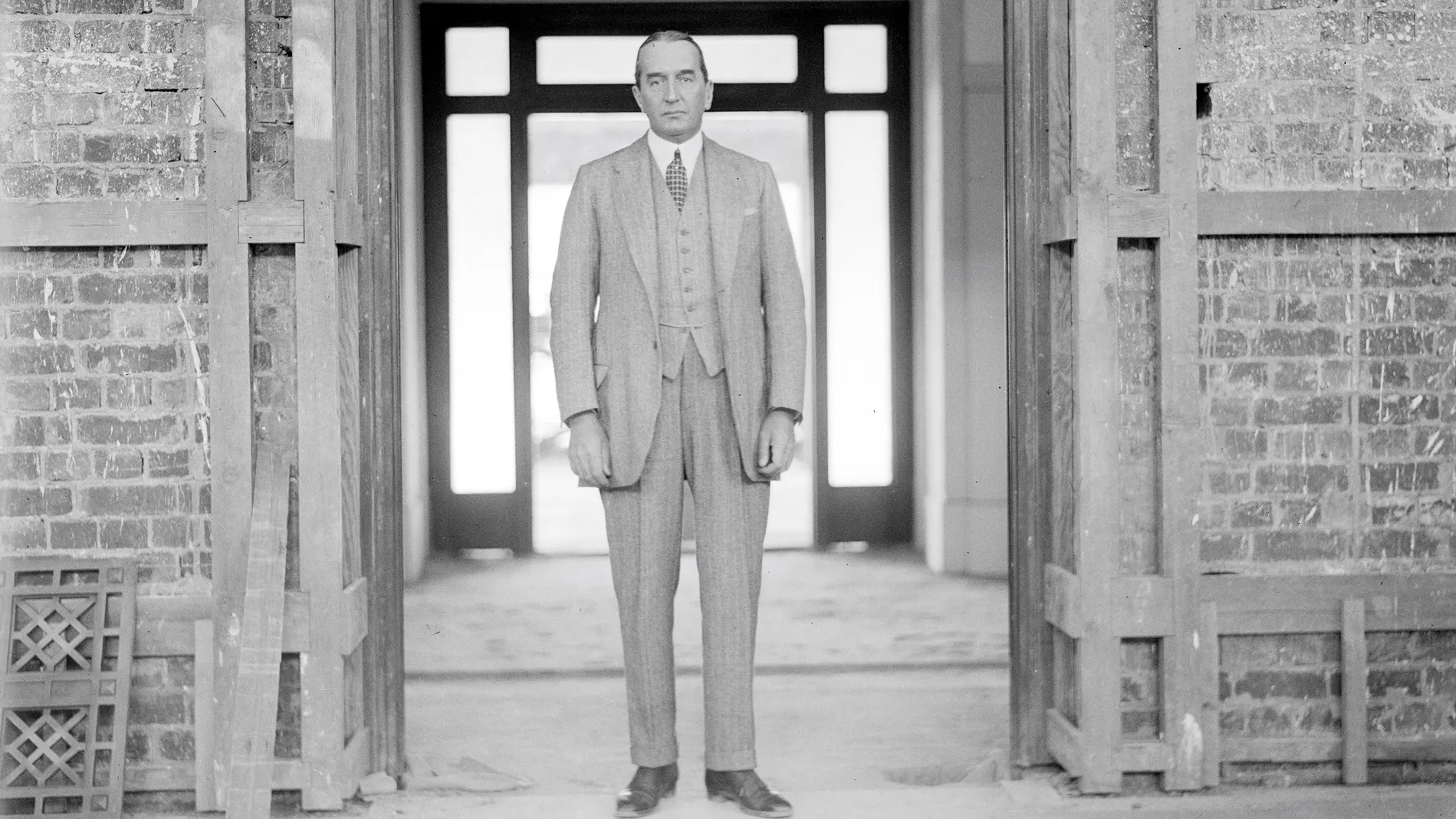
This speech recording by Stanley Melbourne Bruce was added to the Museum’s collection in 2017.
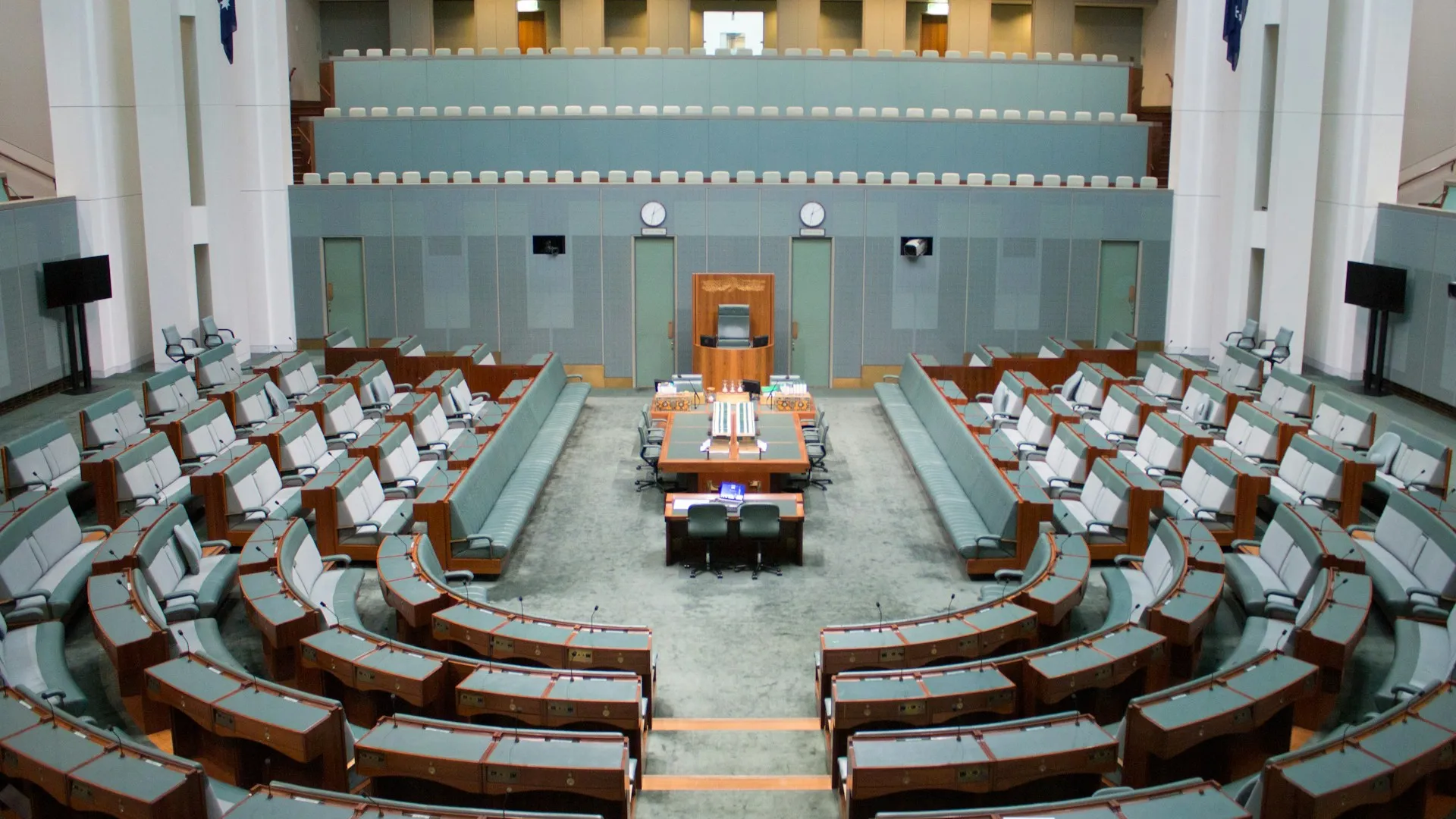
Free votes: a quick explainer
It's tough to be a politician. You are called upon to represent the community that elected you, but you're also called upon to follow a party line, and support whoever your party's leader is.
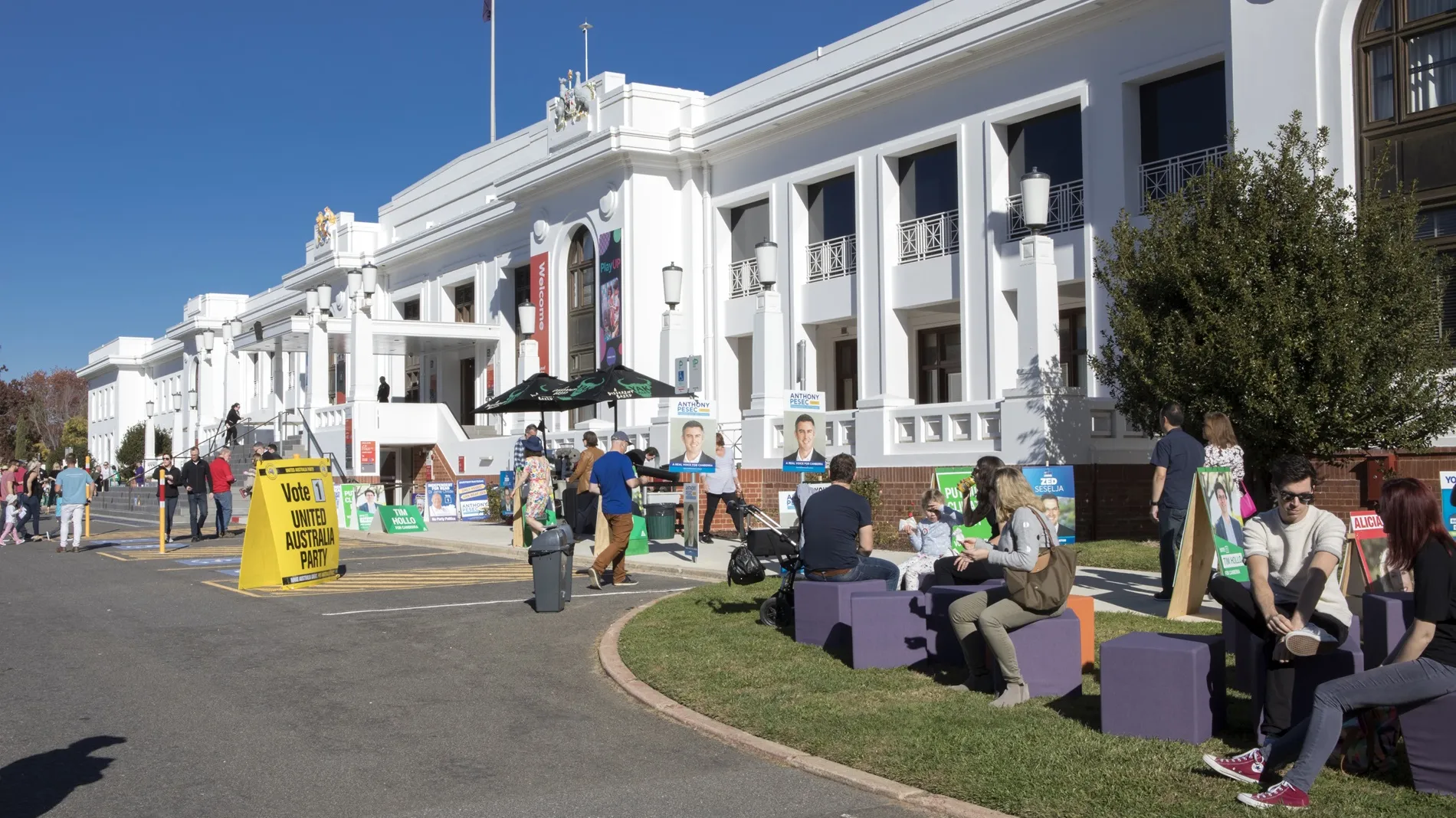
How often should we have an election – every three years or every four?
Does it ever feel like we've just got over the last election before the next one looms?

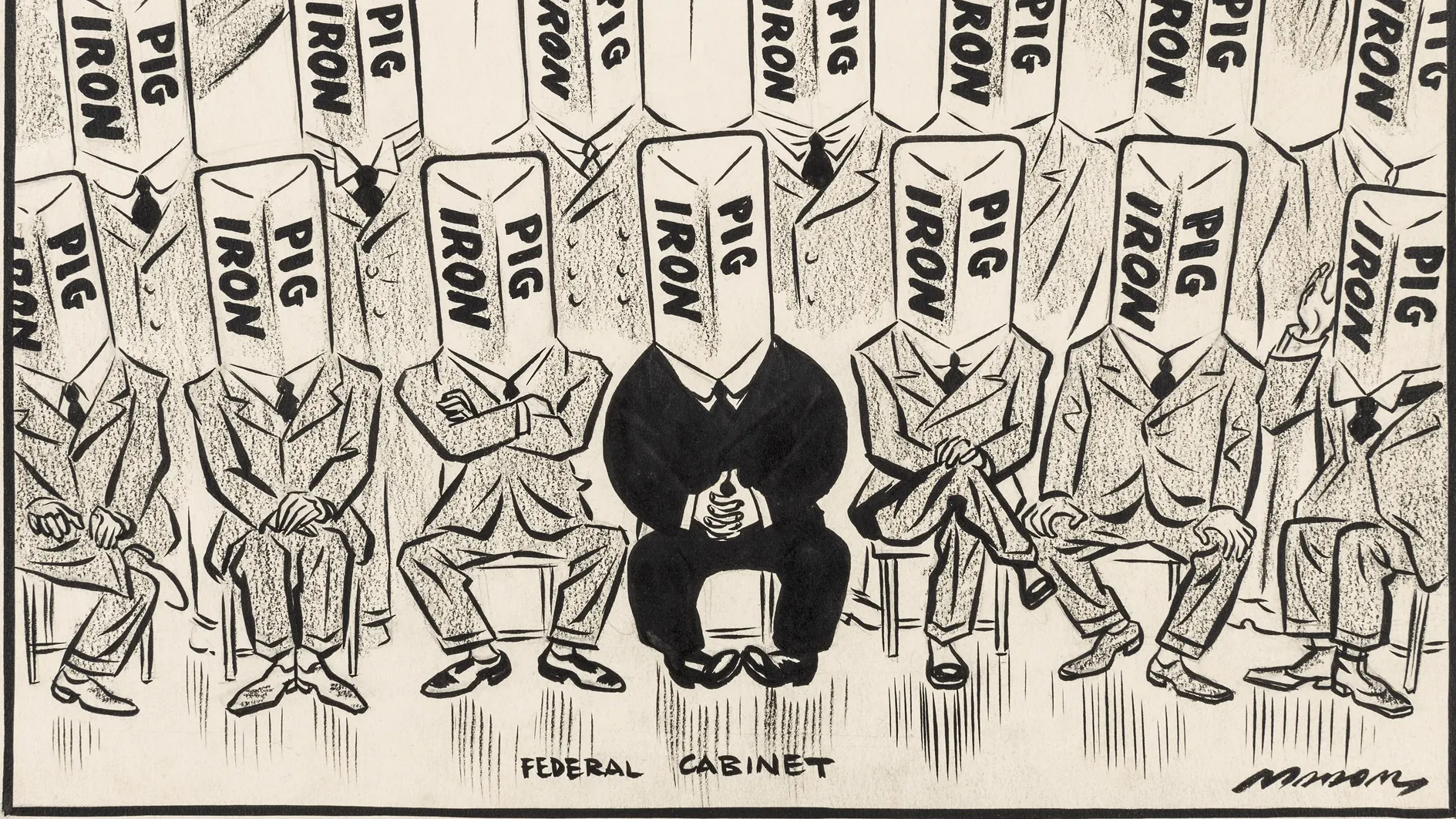
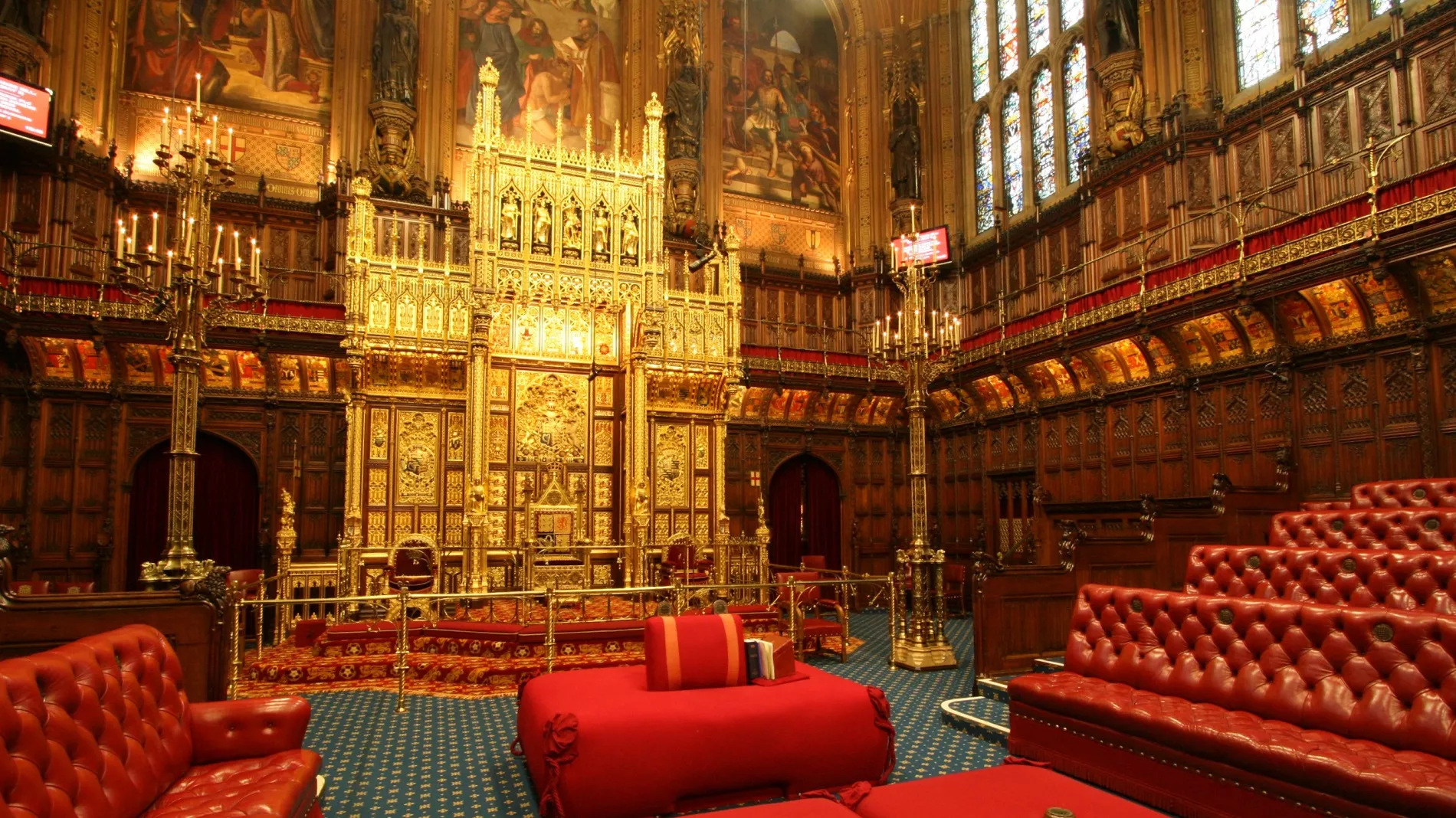
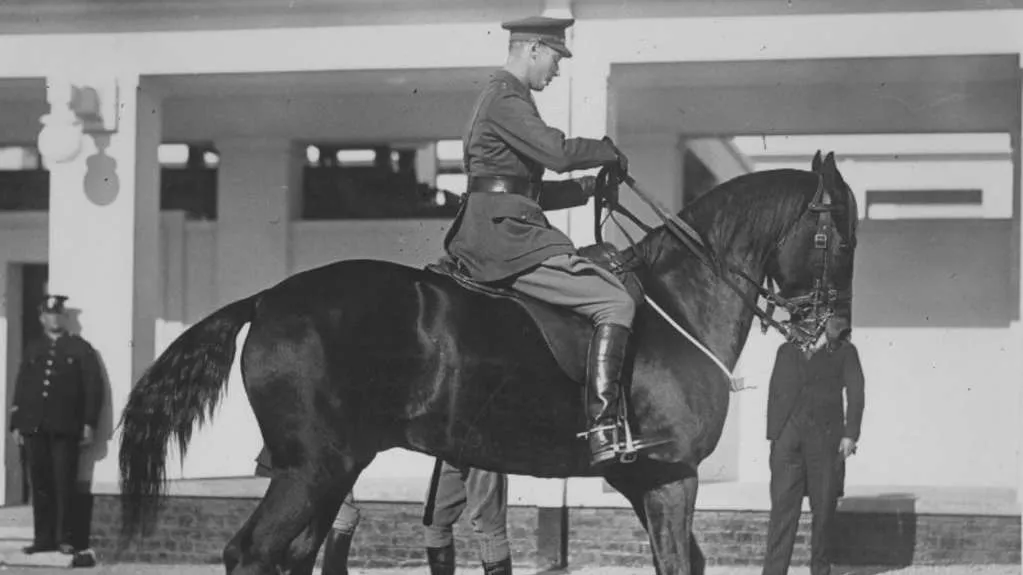
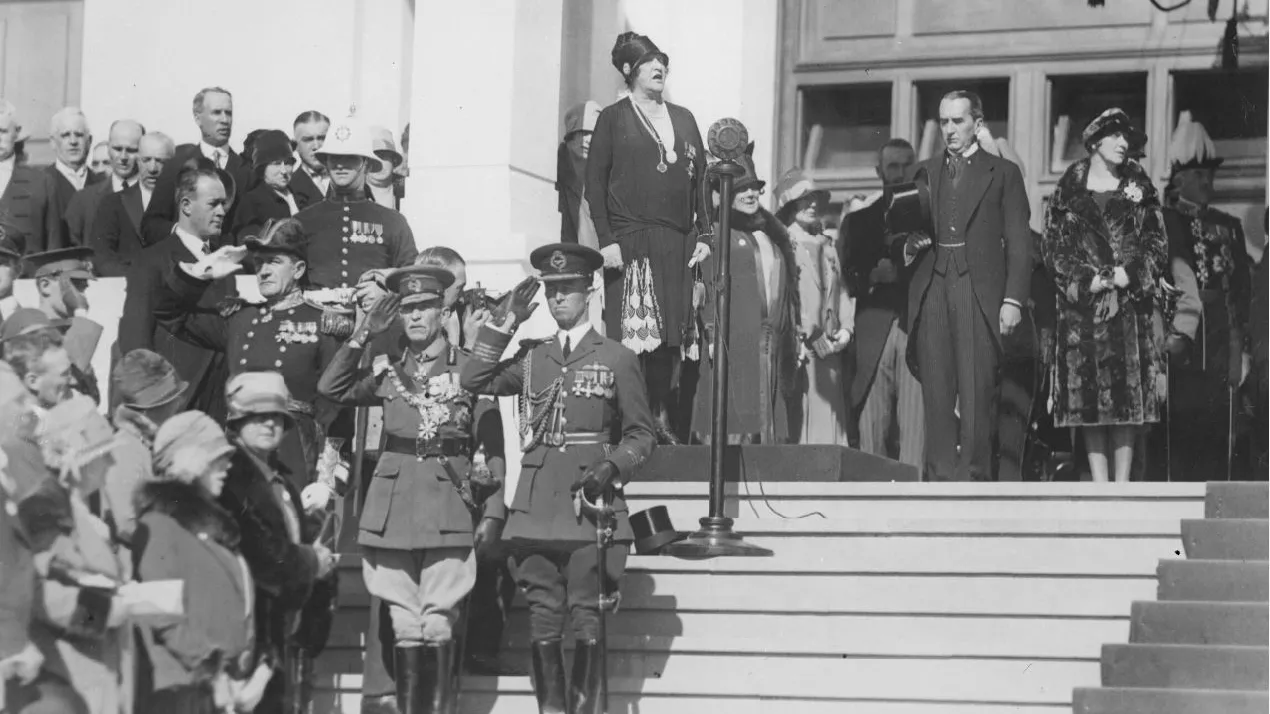
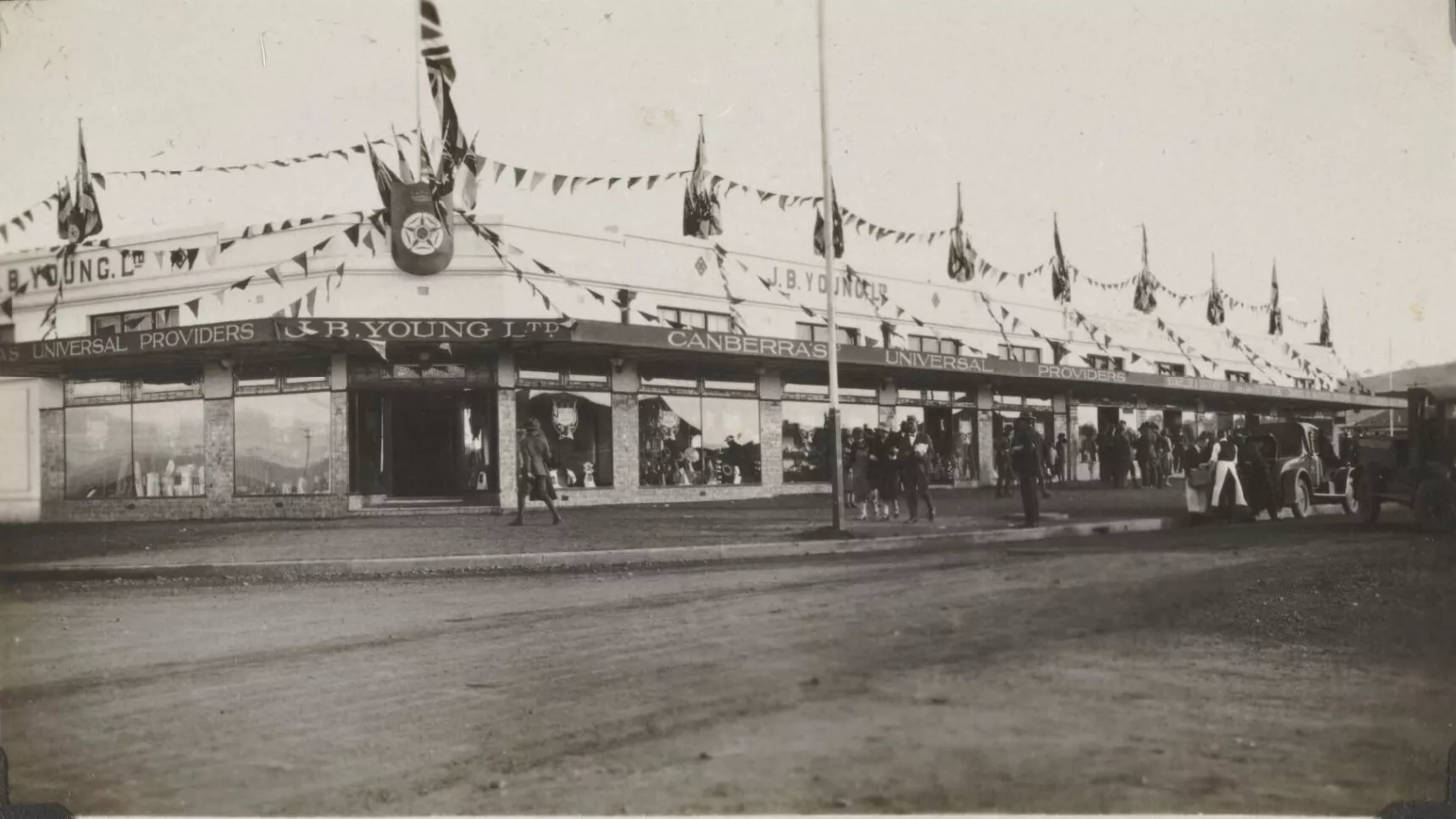
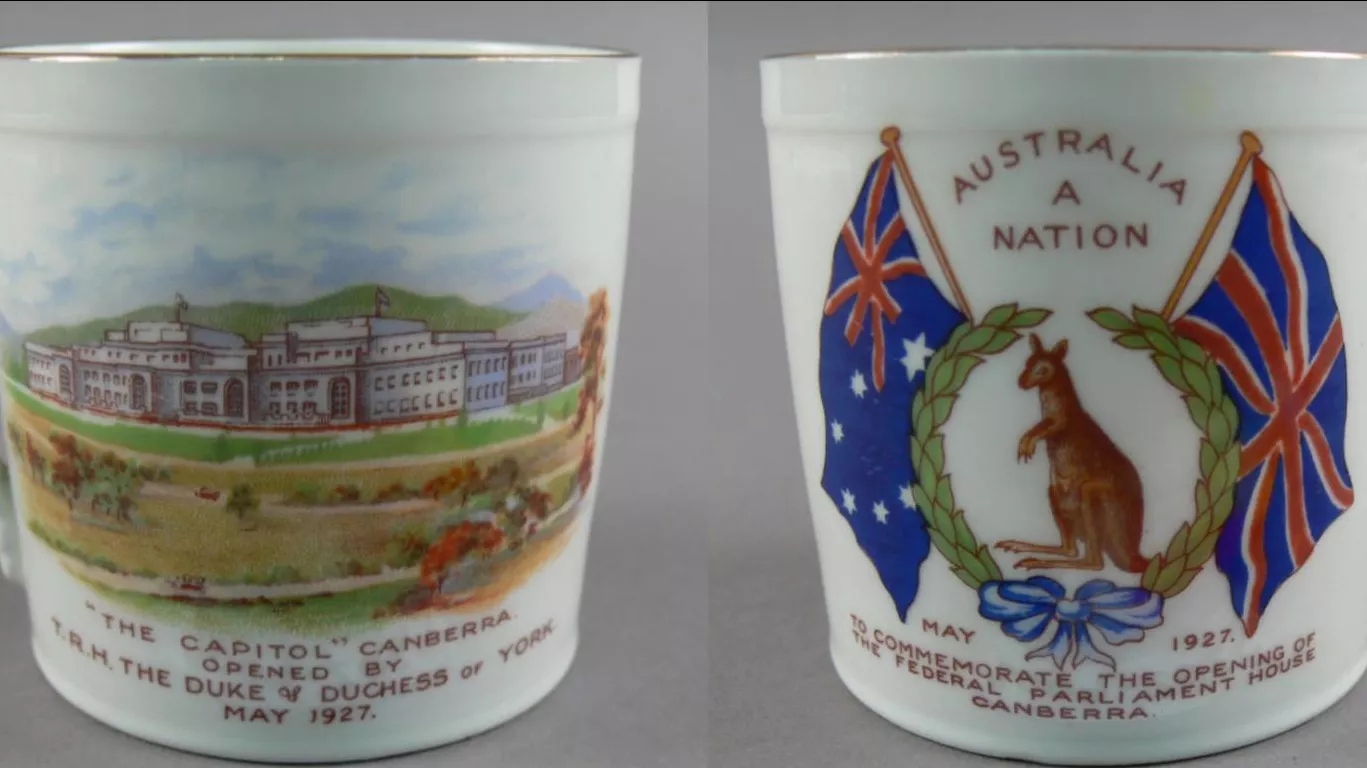
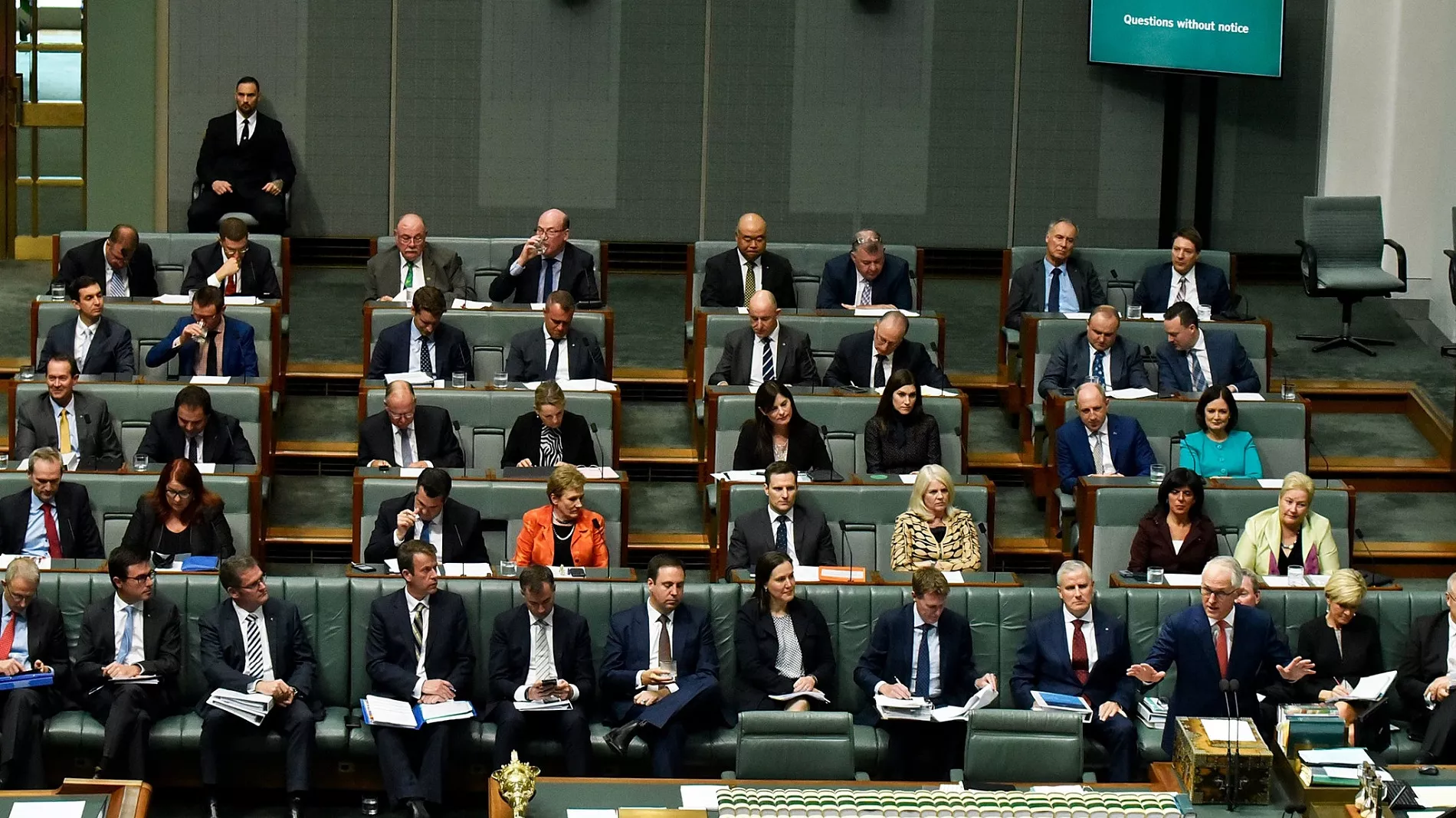
The Prime Minister’s seat: a case study in sleuthing
Despite having only seen a small amount of the BBC’s Sherlock, I’ve always been a fan of detective fiction, especially the gentleman from Baker Street.
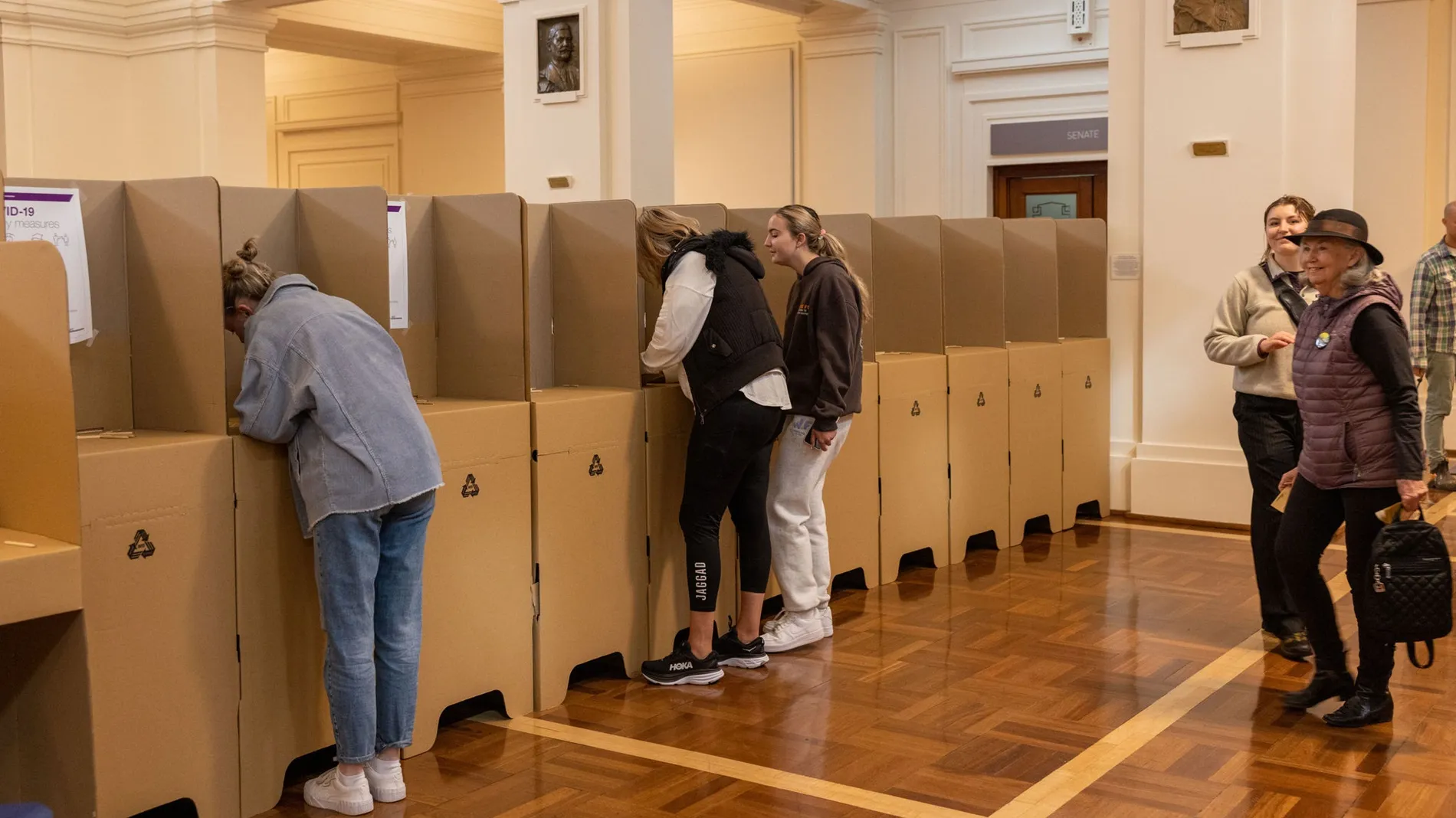
Young people and the right to vote: Some exceptions to the rule
On 16 March 1973 the Commonwealth Electoral Act 1973 gave all Australians aged 18 years or older the right to vote. The first federal election at which all 18-year-olds could vote was held in May 1974.
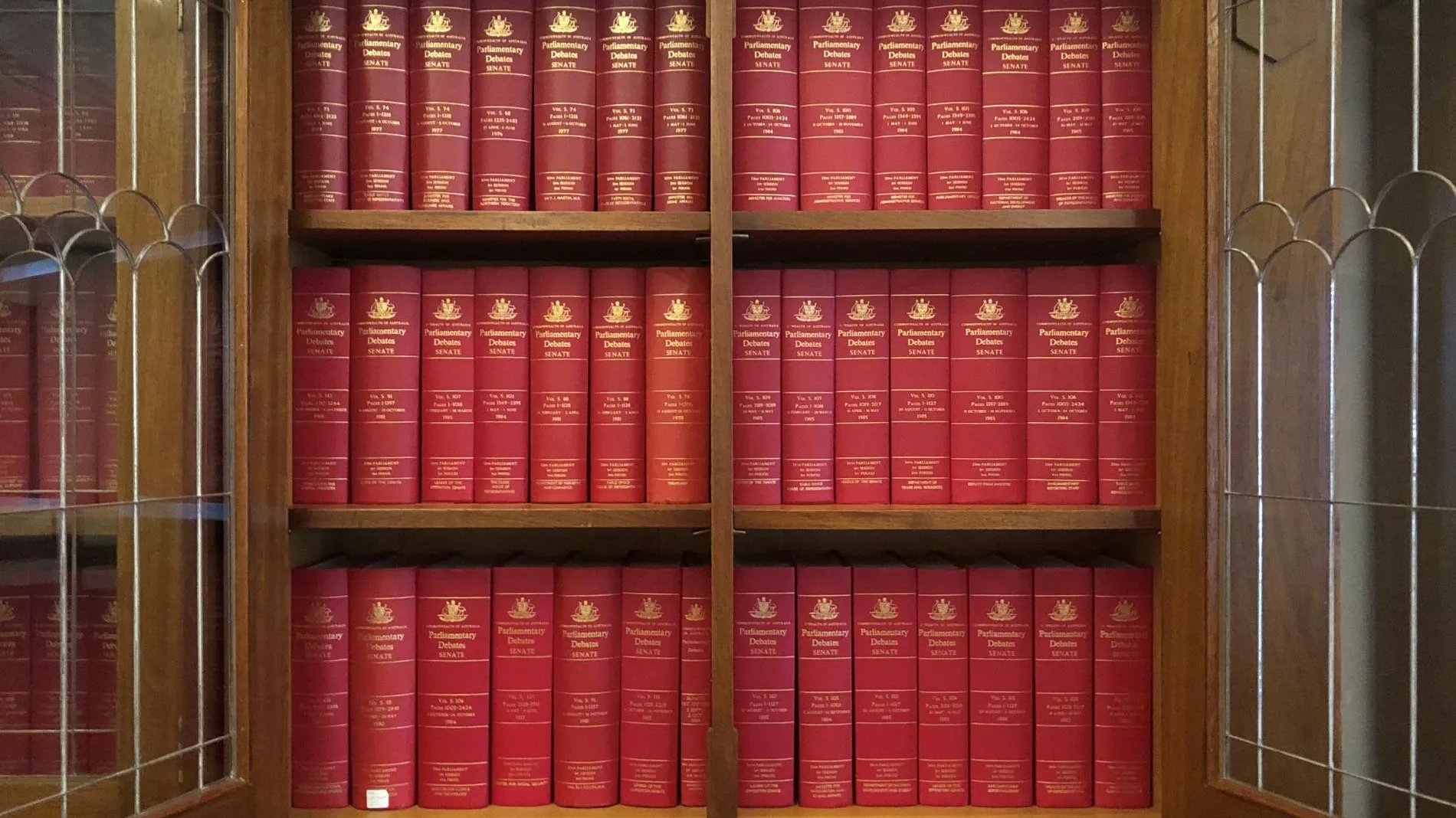
On Hansard
Hansard is testimony, in black and white, to our functioning federal parliamentary democracy - for all its strengths and weaknesses, its brilliance and tawdriness and its immense unending drama.
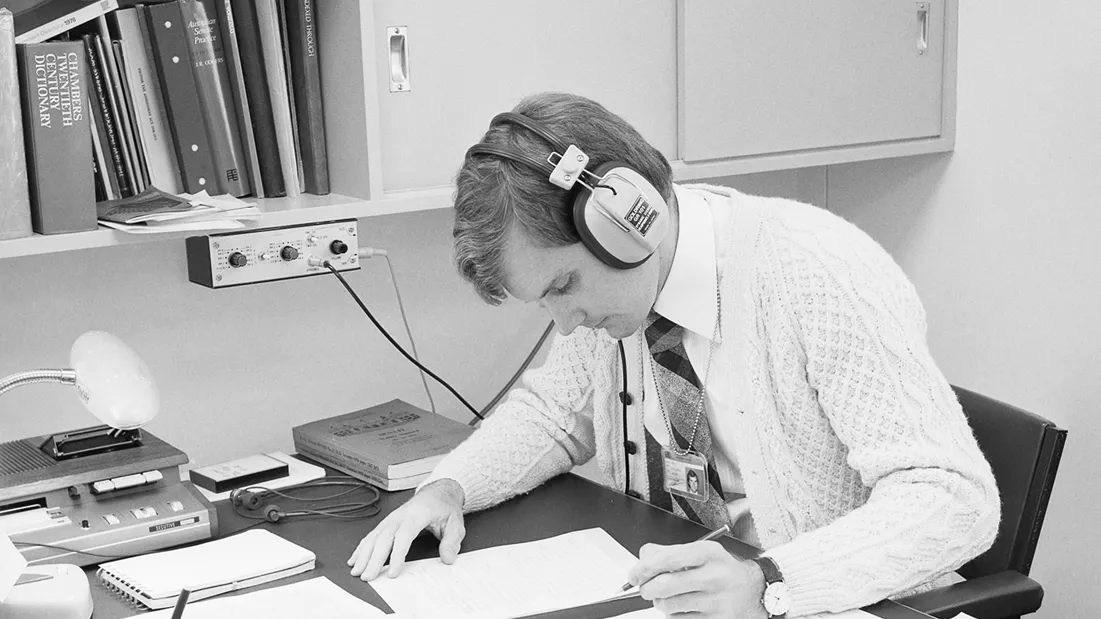
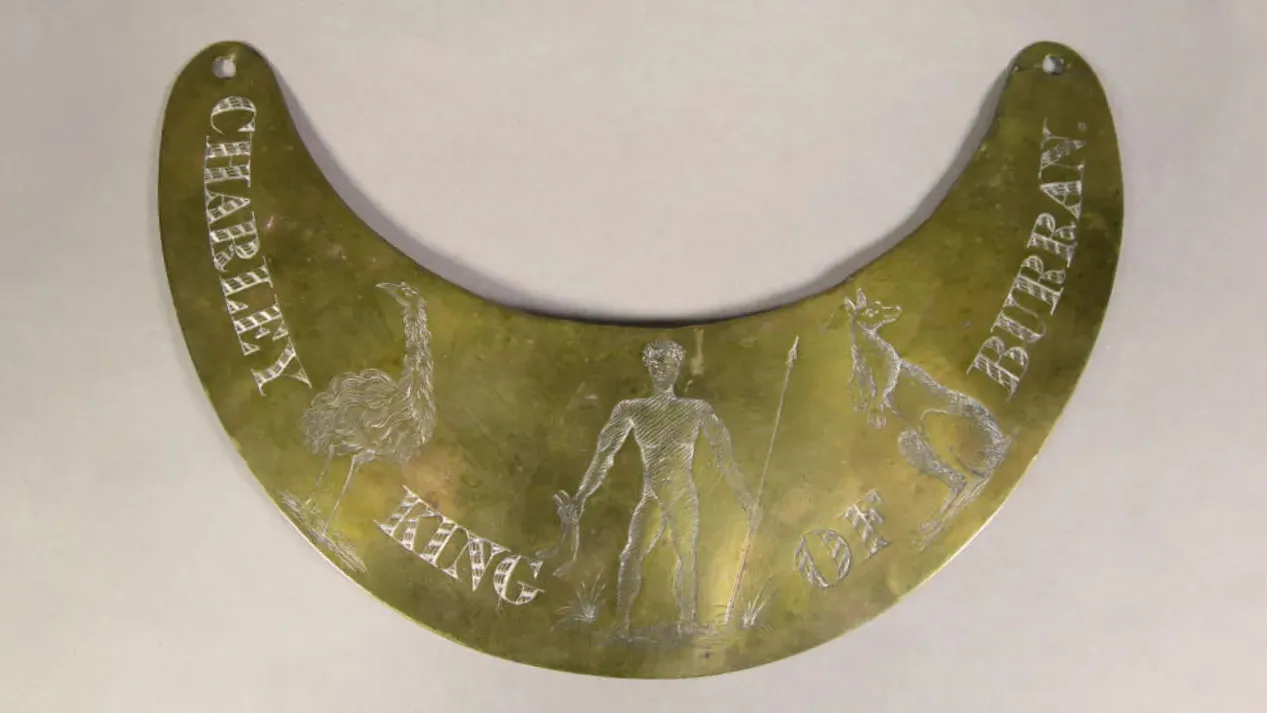
Charley’s choice: the breastplate of Charley, king of Burran
William Ridley was a Presbyterian minister with an epic beard and an ear for languages.
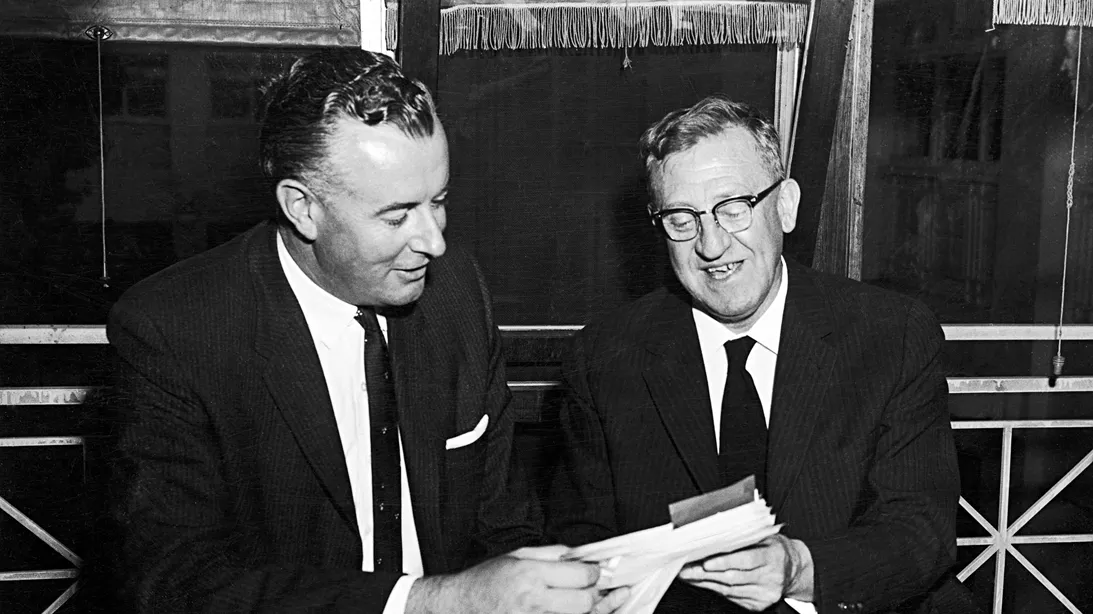
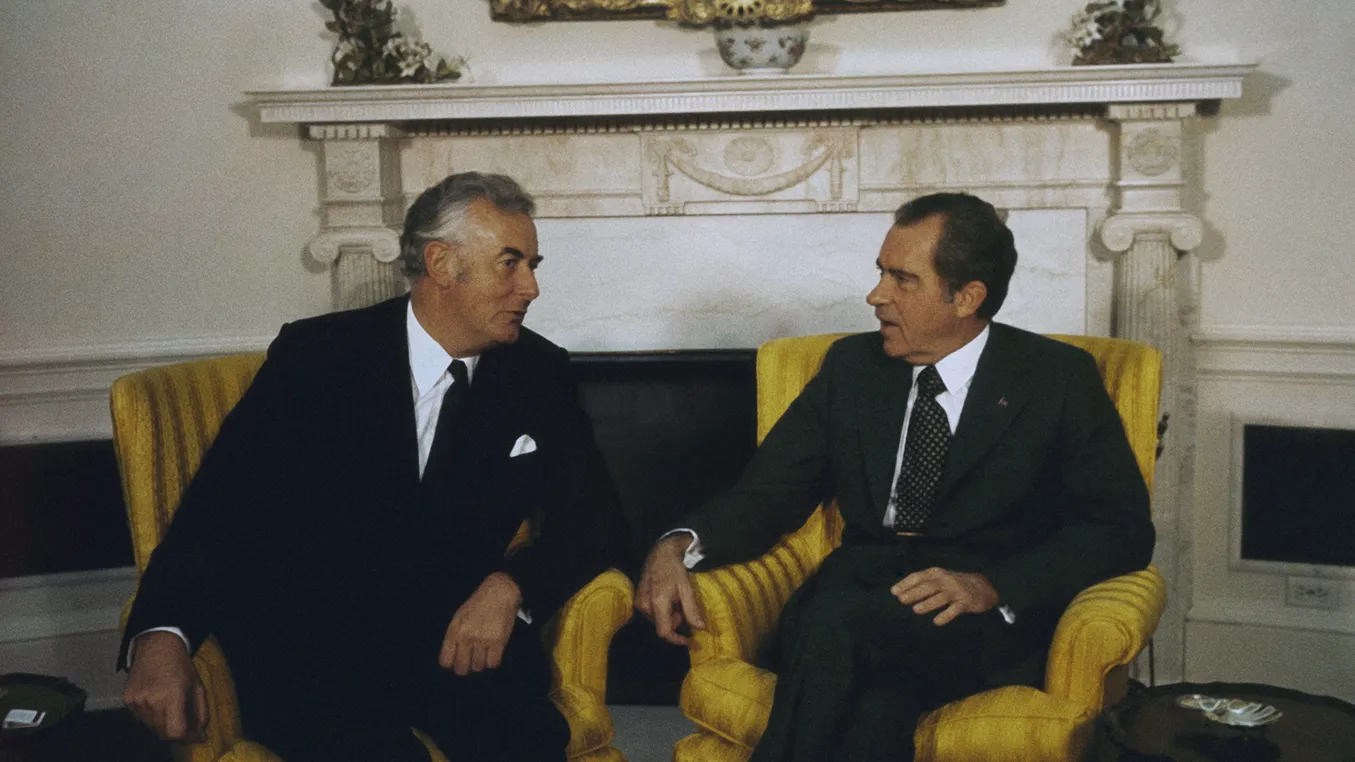

An Australian guide to American elections
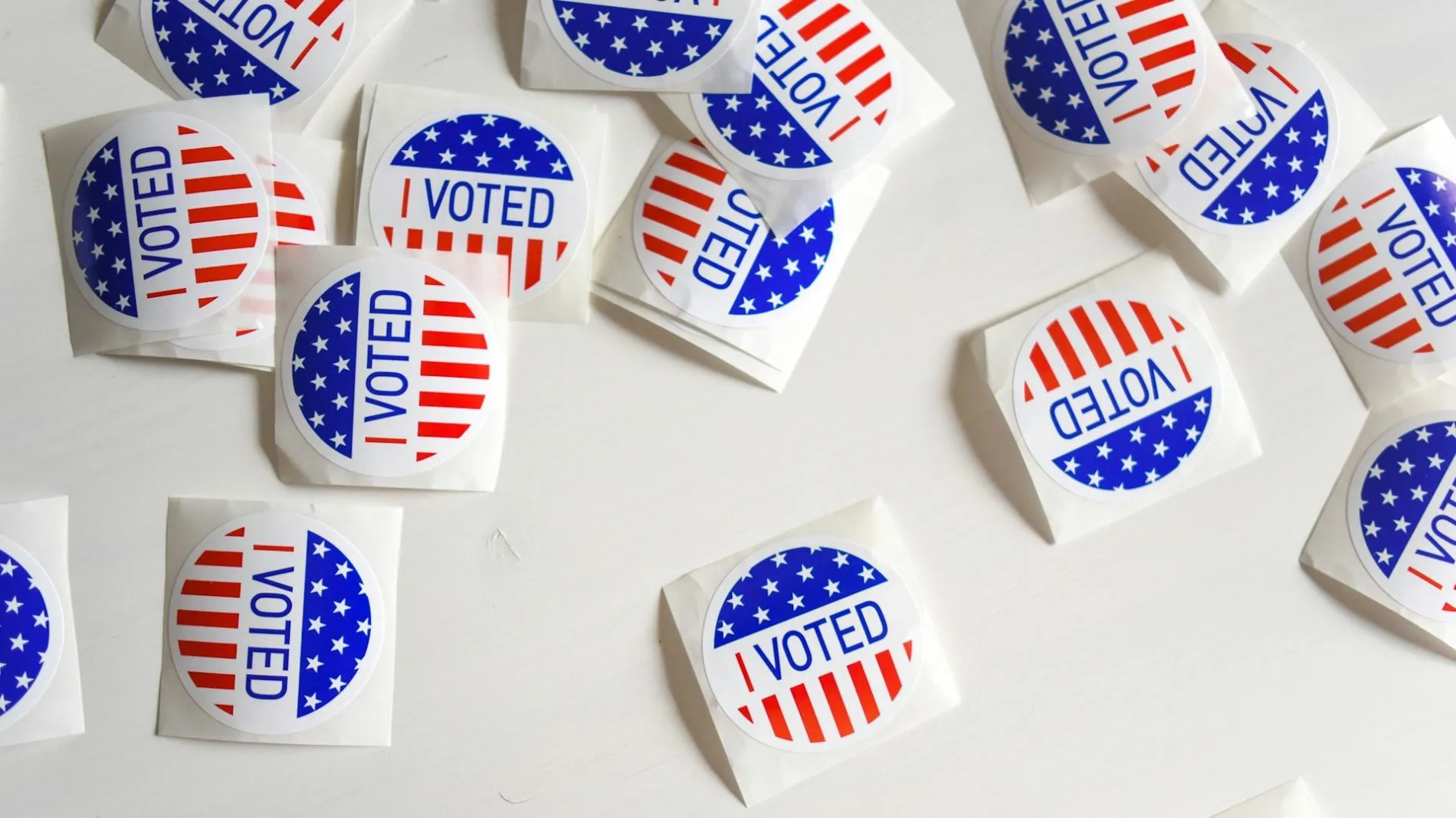
In a speech to the National Press Club, the outgoing US Ambassador to Australia, John Berry, outlined some of the differences of democracy in both countries.
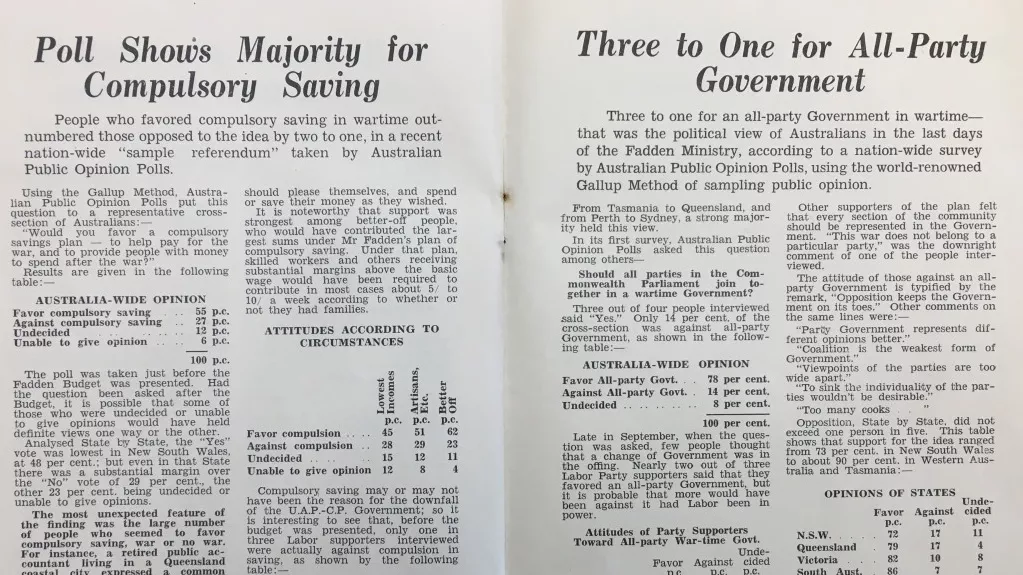
How Billy Hughes lost the 1916 conscription referendum
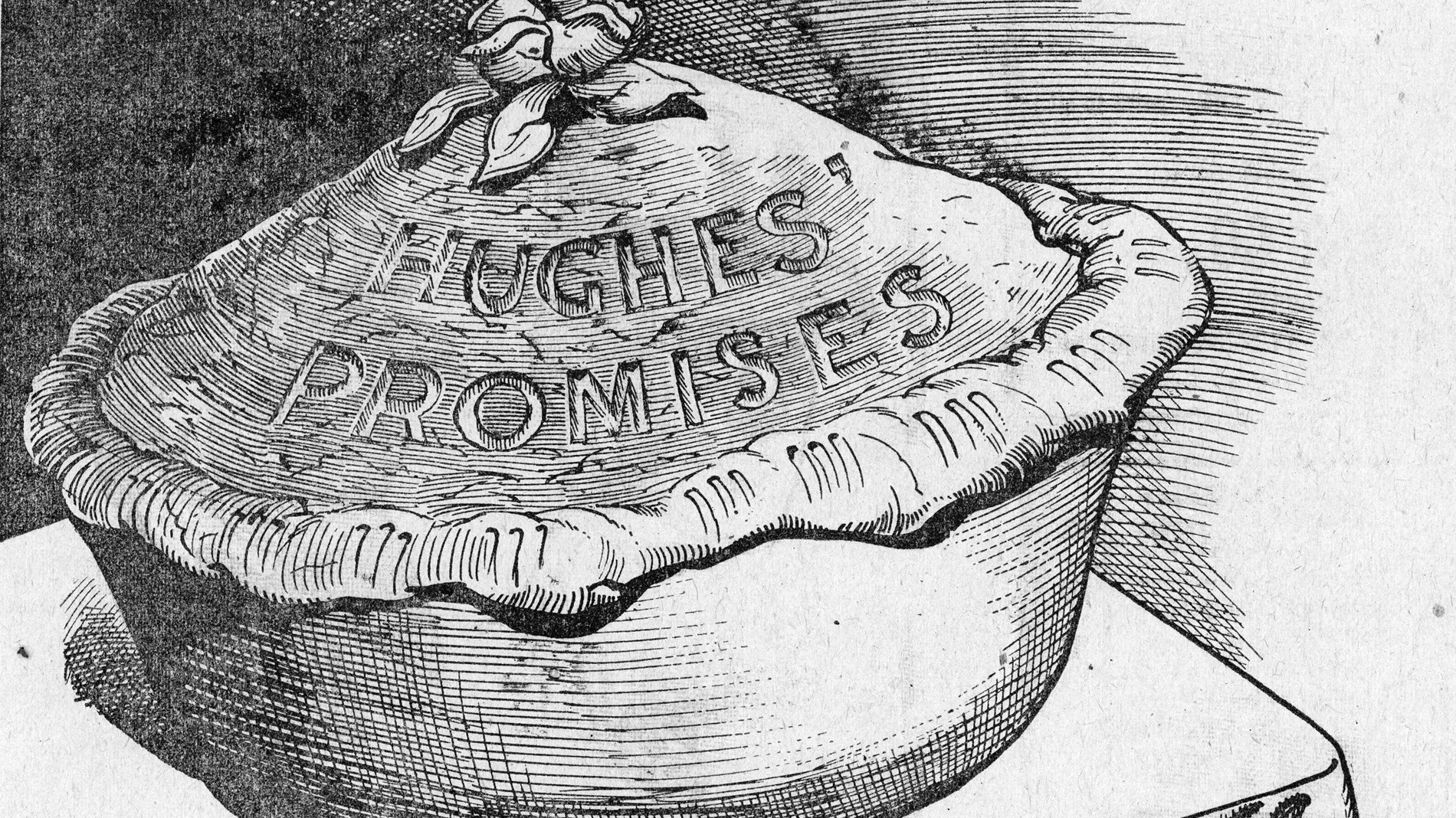
Australia was one of the very few countries within the British Empire that failed to adopt conscription during World War I.
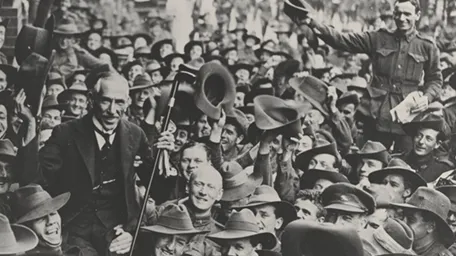
Conscription 1916: Who were the Maltese ‘children of Billy Hughes’?
The Maltese ‘children of Billy Hughes’ were a group of 214 Maltese migrants who arrived during Australia’s conscription plebiscite campaign a century ago.
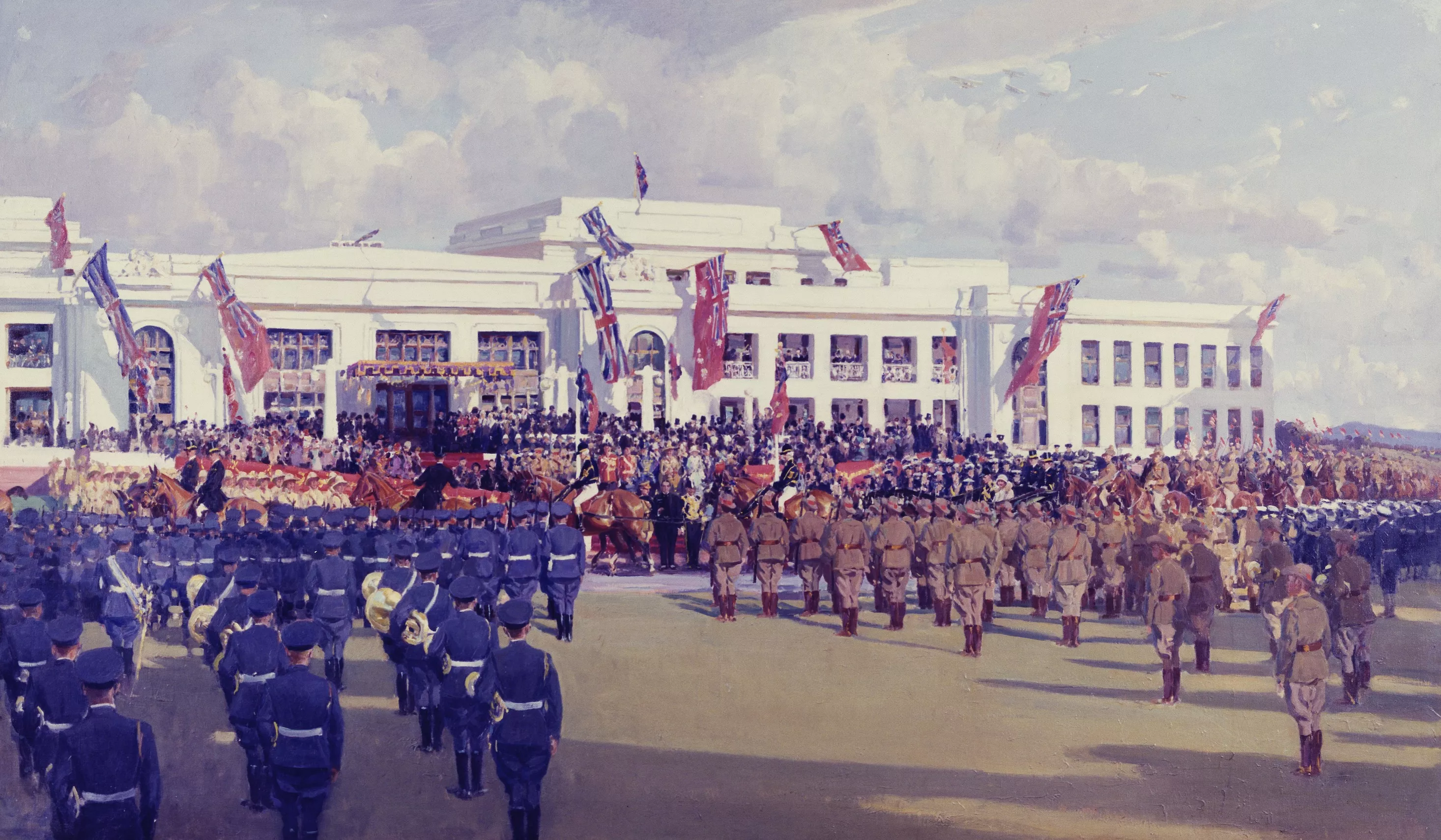
A perfect dress rehearsal for the grand opening of Parliament House
When you’re running a major event nothing is more useful than the chance to have a decent rehearsal.
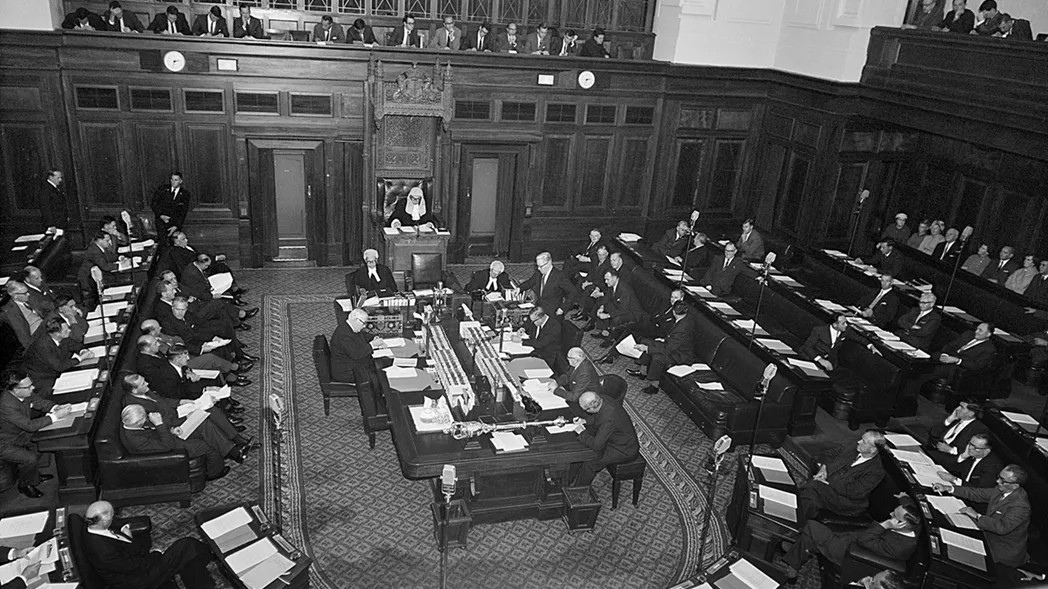
The one that got away: the last time a government lost a vote in the House of Representatives
On 1 September 2016 the Coalition Government lost a vote on the floor of the House of Representatives.
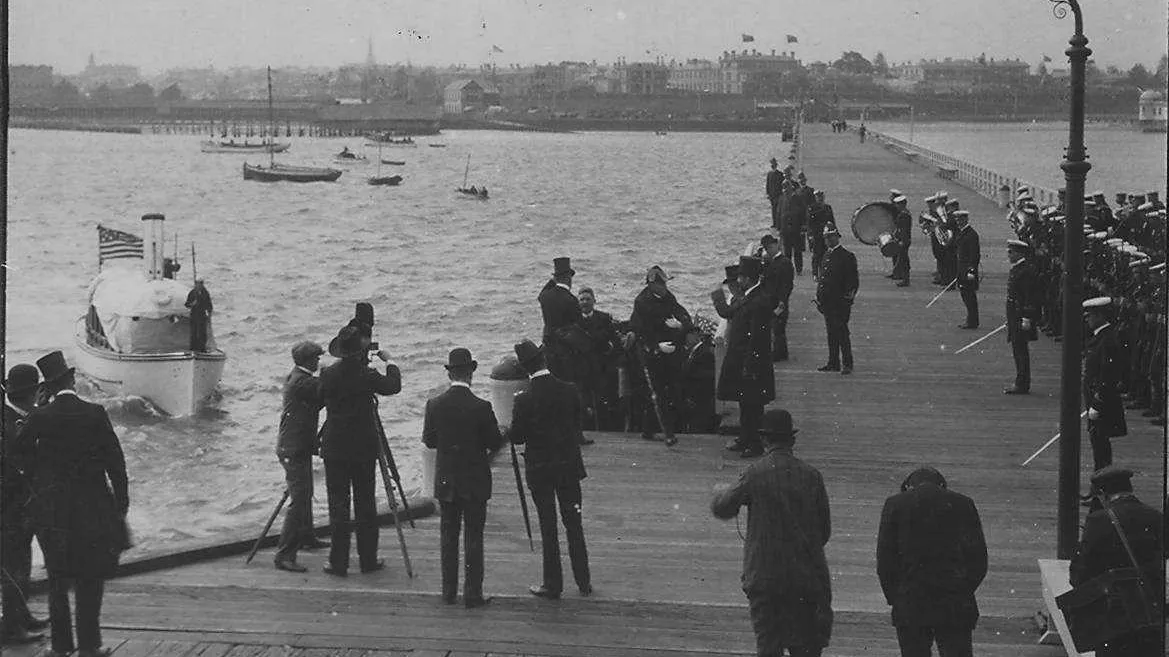
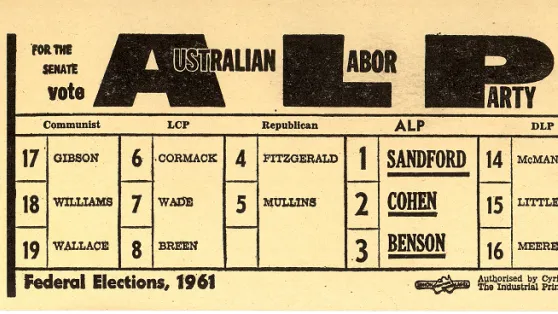
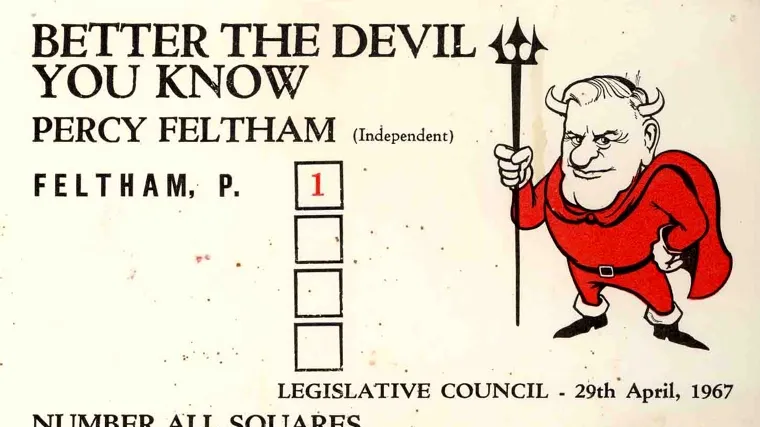
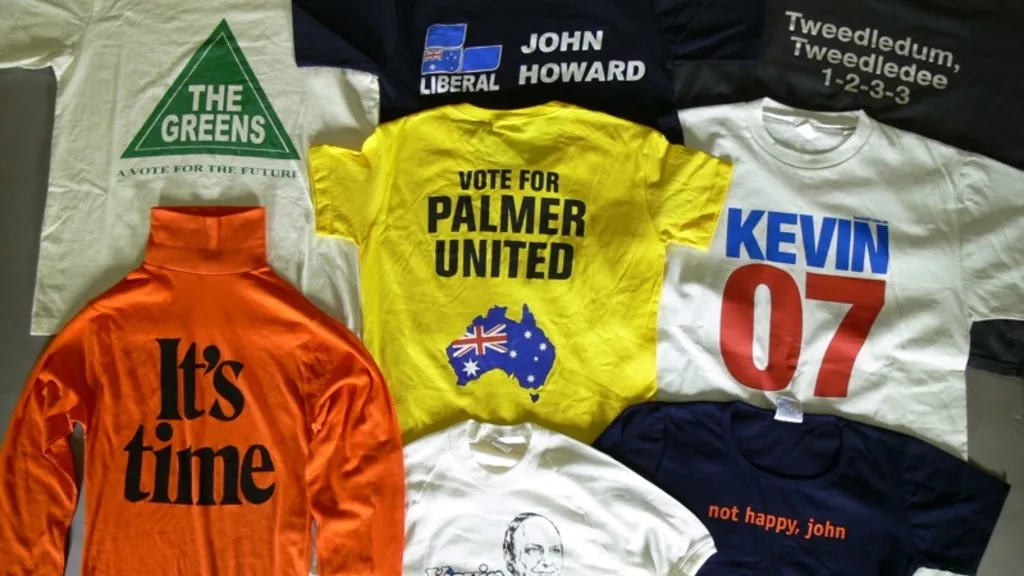
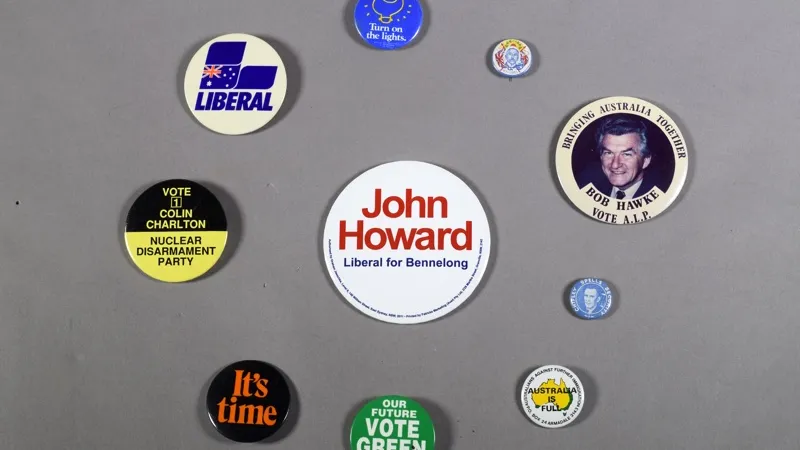
Why wear a badge at election time?
Democratic elections are about political parties persuading the electorate that their policies are the best ones to vote for.
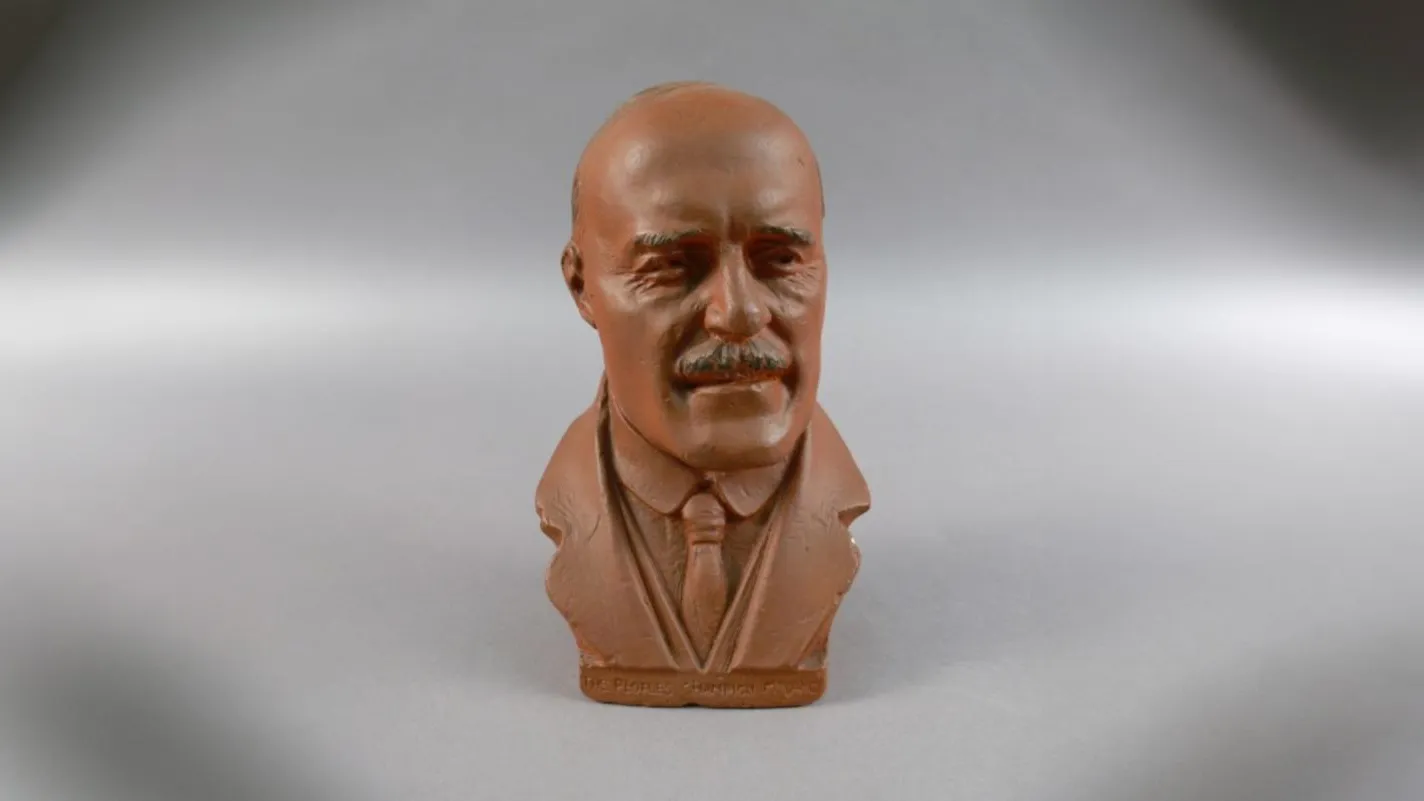
When Jack Lang was dismissed as Premier of New South Wales
Did you know, there was another Dismissal, decades before Sir John Kerr sacked Gough Whitlam?
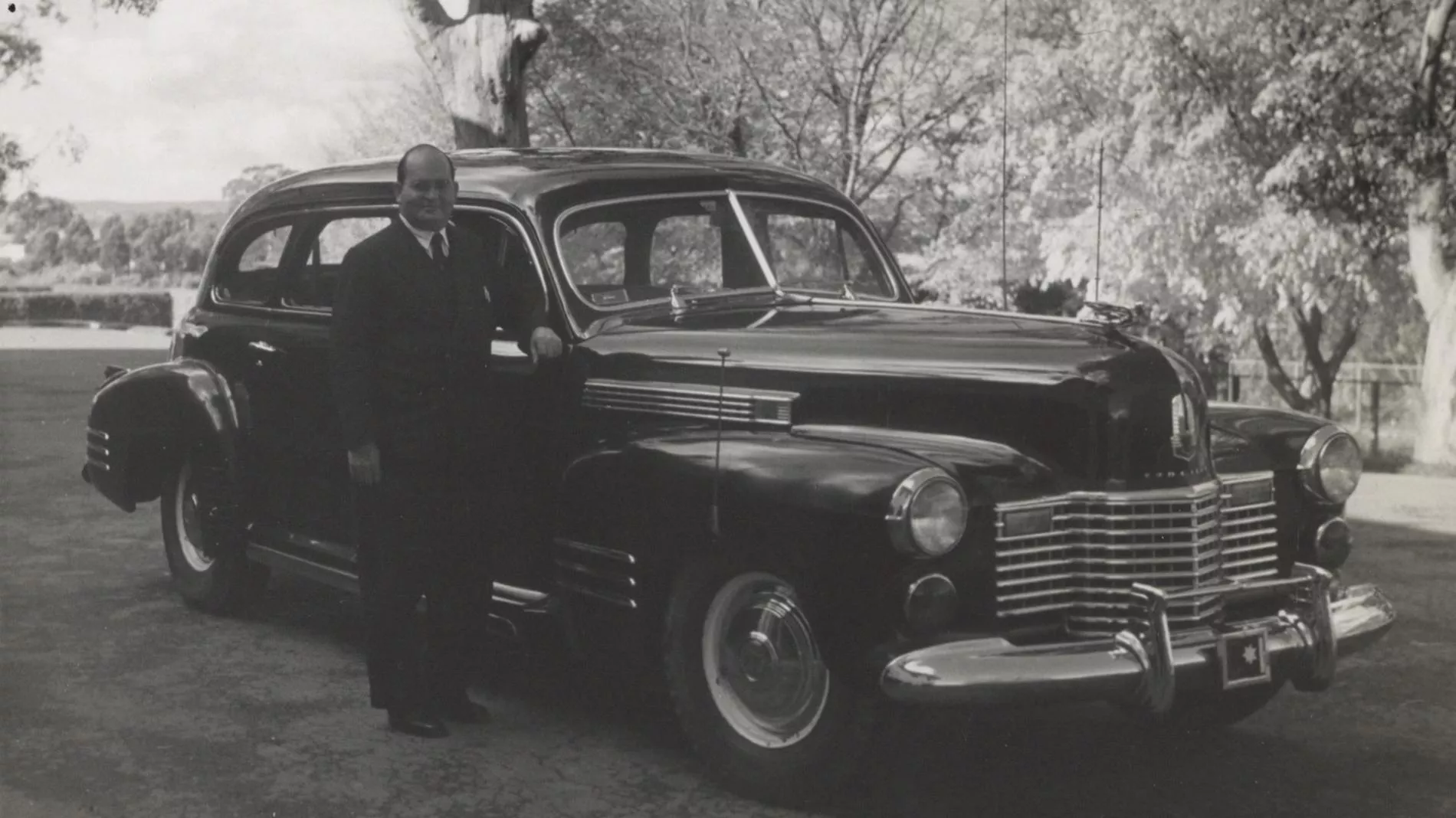
Driving Mr Menzies
Jimmy Clements, a Wuradjuri man from down Gundagai way, walked all the way up to Canberra on hearing that the Duke and Duchess of York were set to open the new federal parliament.
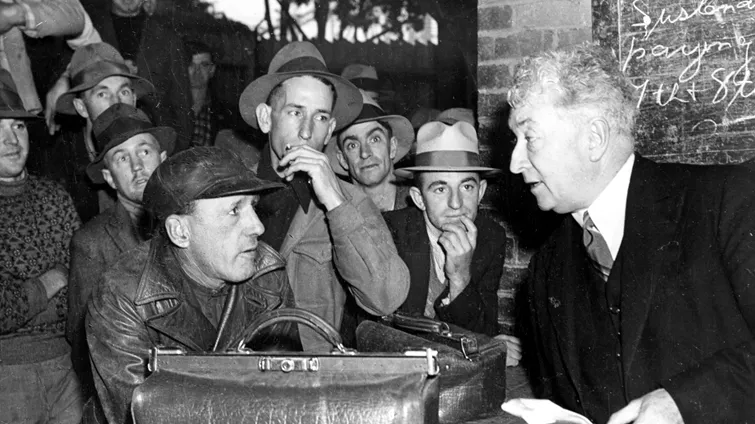
The death of Joe Lyons
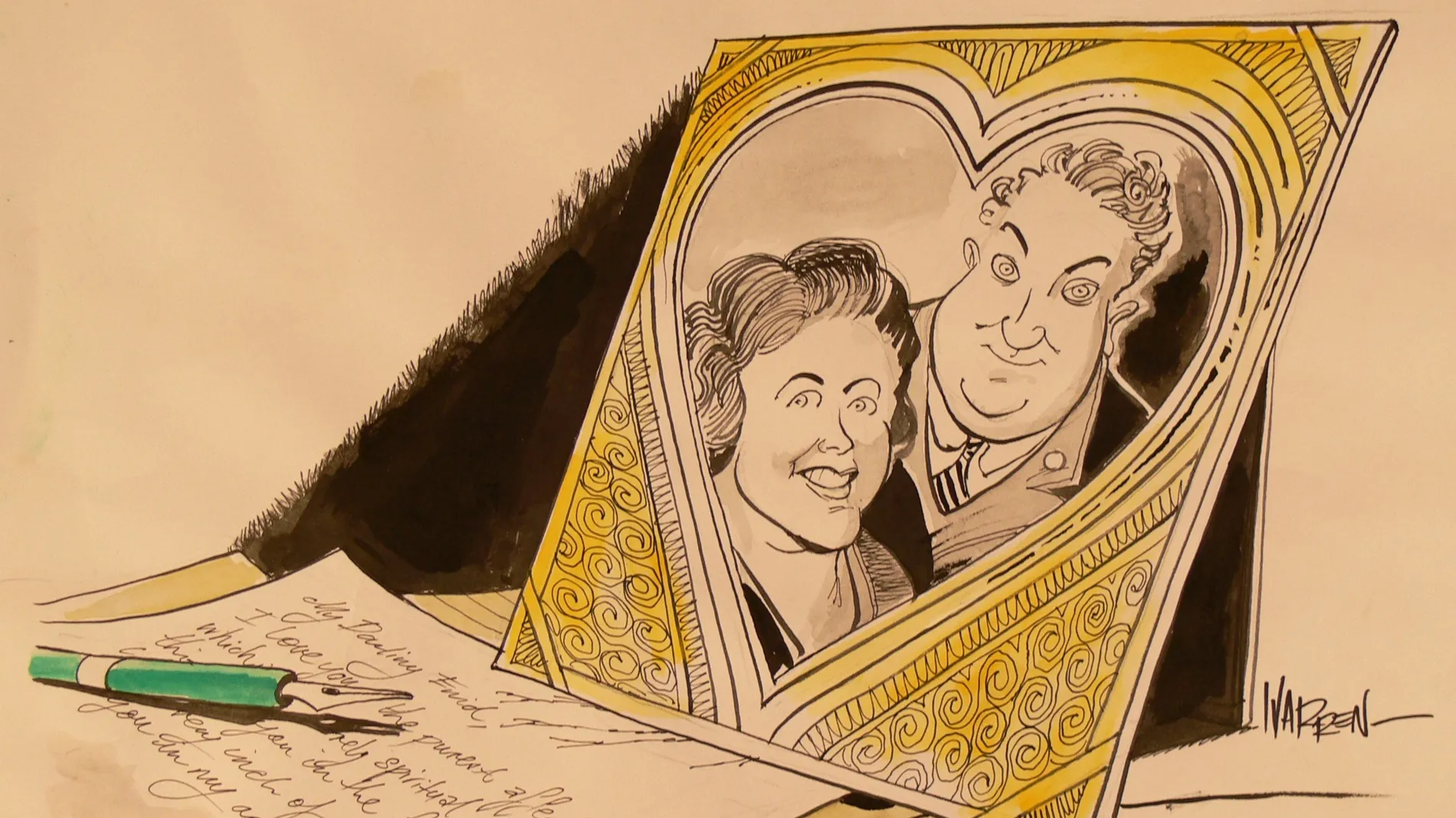
On 7 April 1939, Prime Minister Joseph Aloysius Lyons died in Sydney. He was 59 years old, and left a large family including his wife Dame Enid and eleven children.
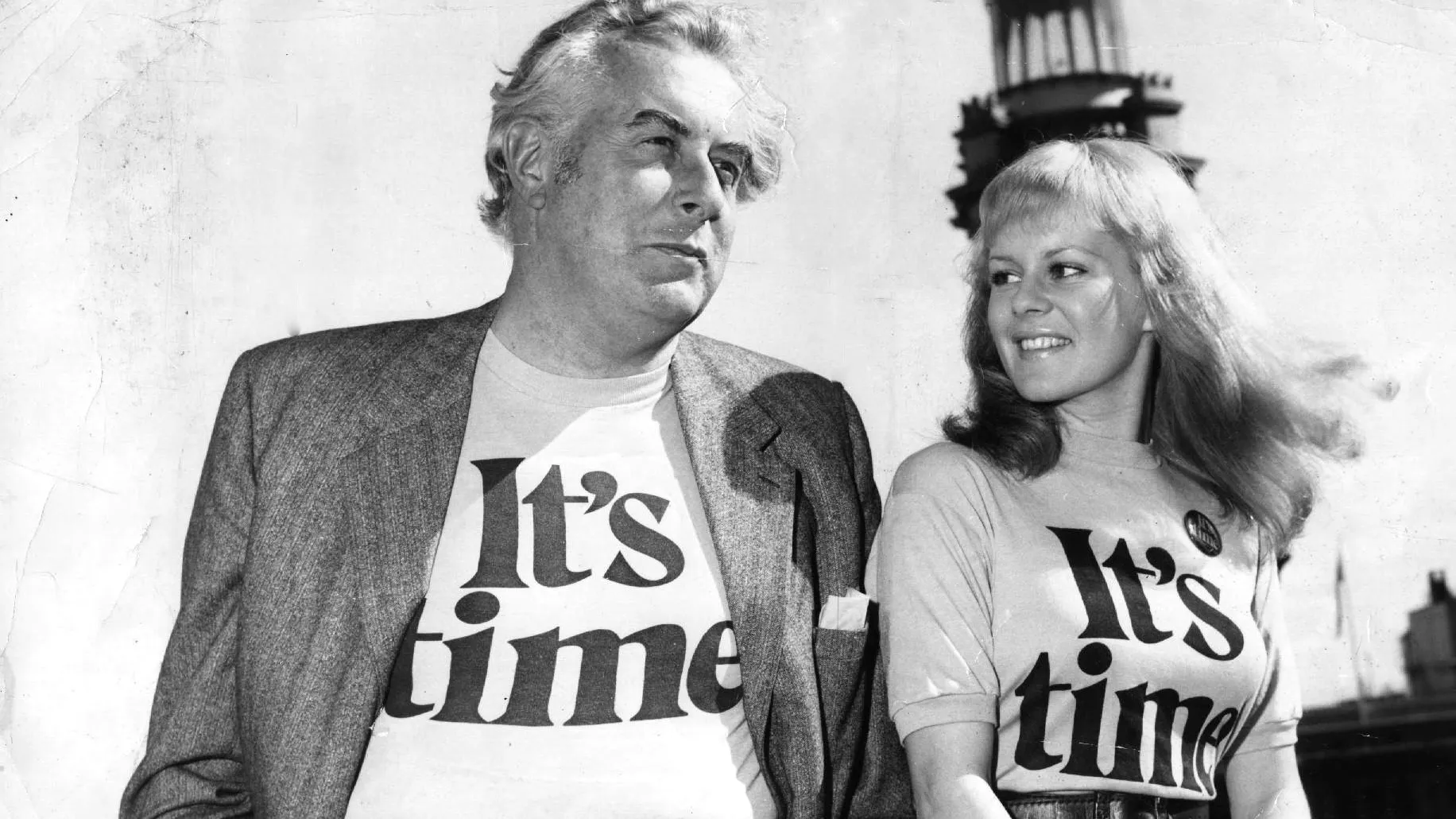
Lowering the voting age
In 1973, Australia’s voting age was lowered from 21 to 18 by the Labor Government headed by Prime Minister Gough Whitlam.
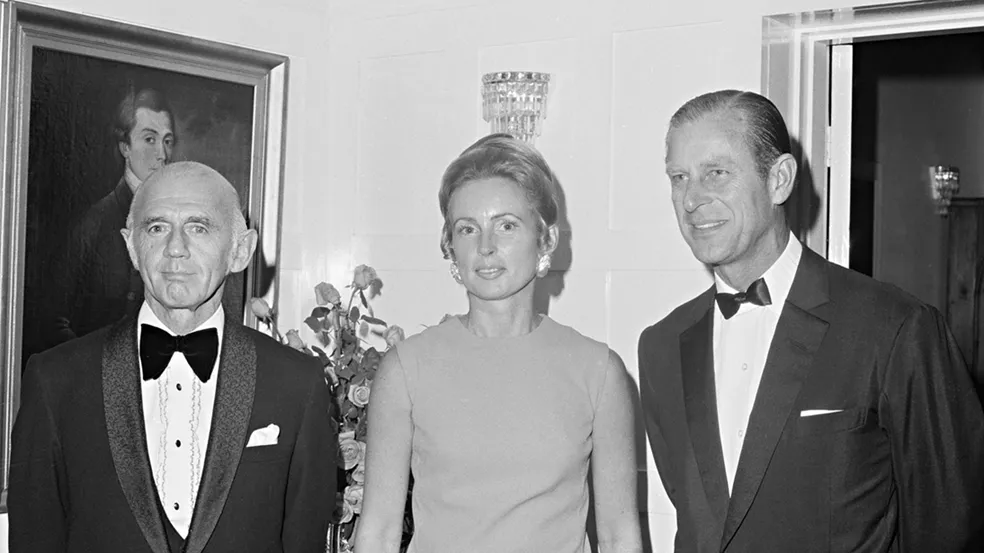
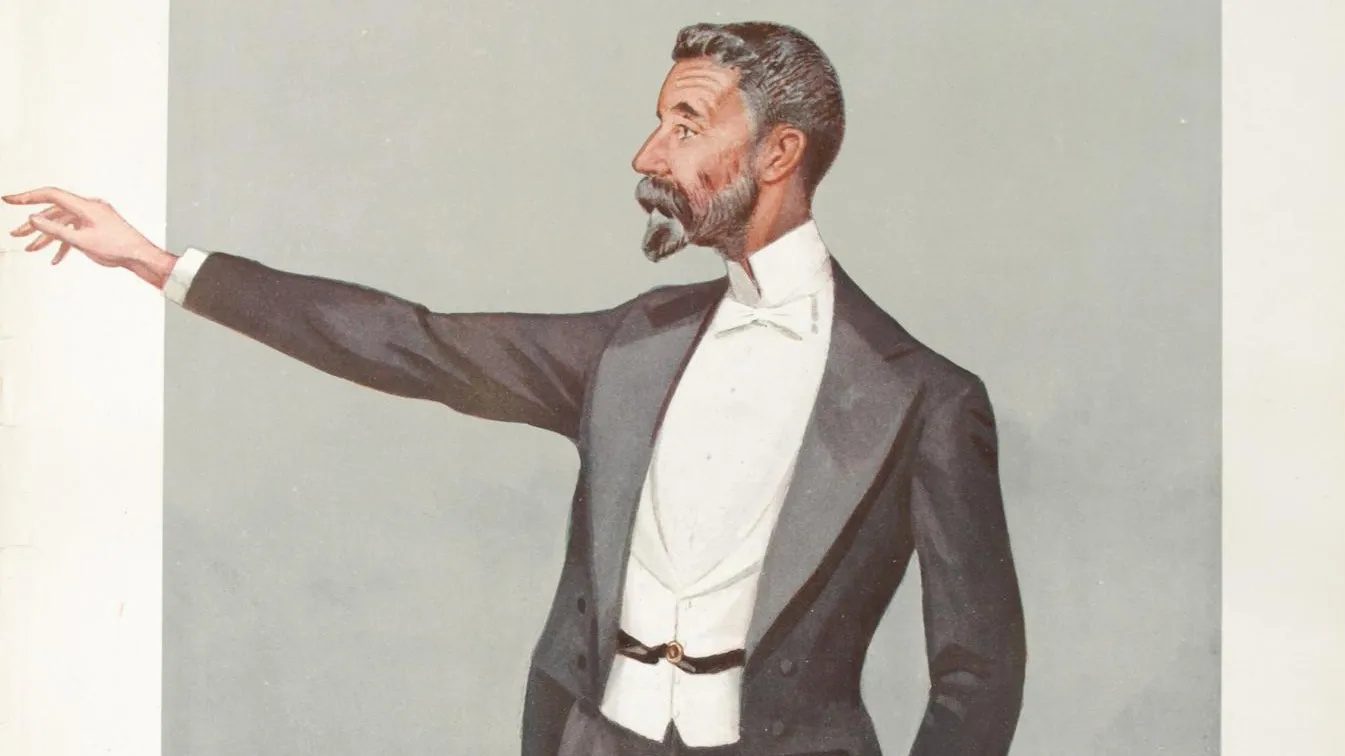

Coalition governments: what are they and how do they work?
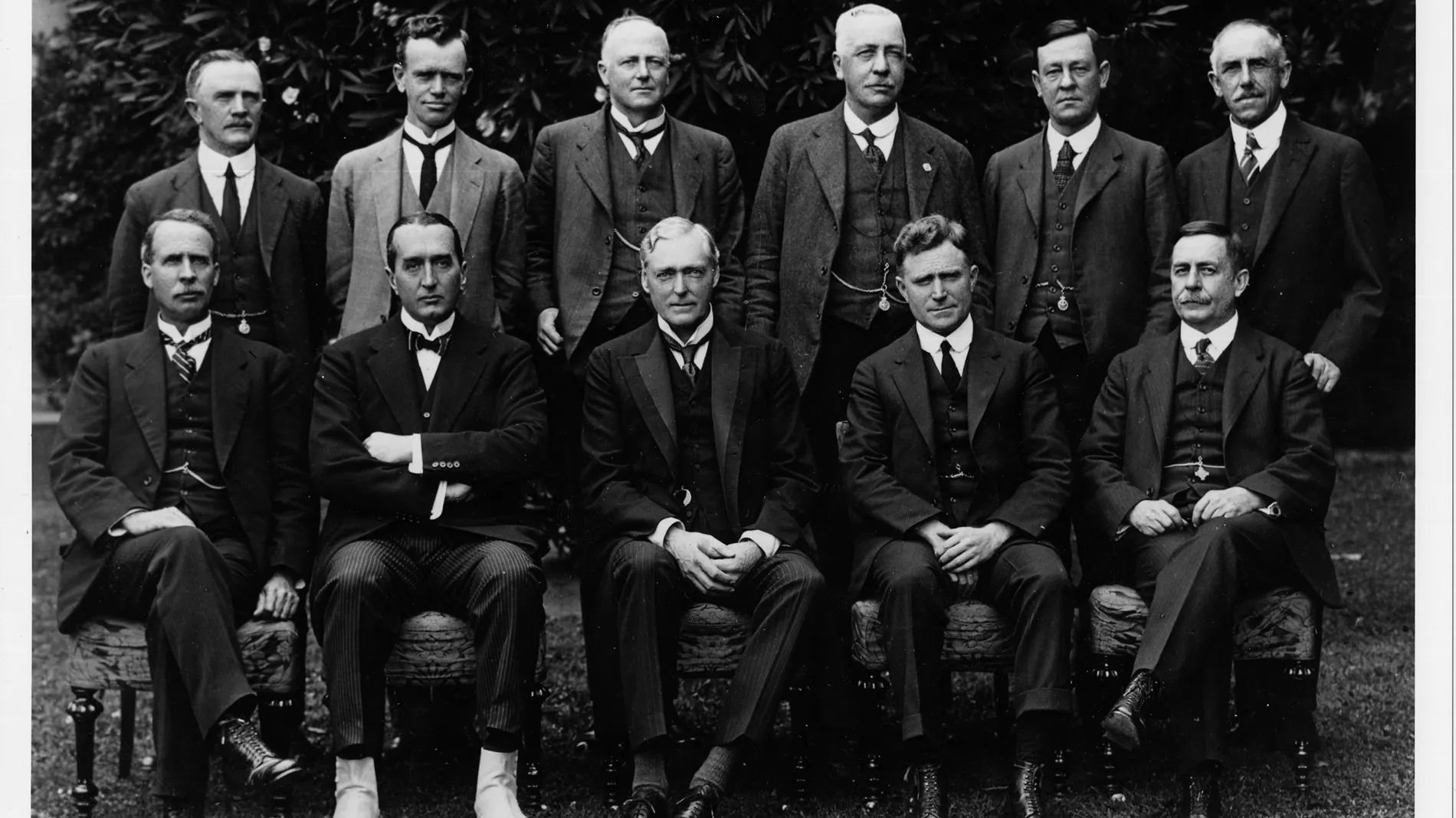
Long-serving Liberal Member of Parliament Ian Macfarlane's move from the Liberal Party to the Nationals in 2015 highlighted the fact that, at the time, the Australian Government was based on a coalition.
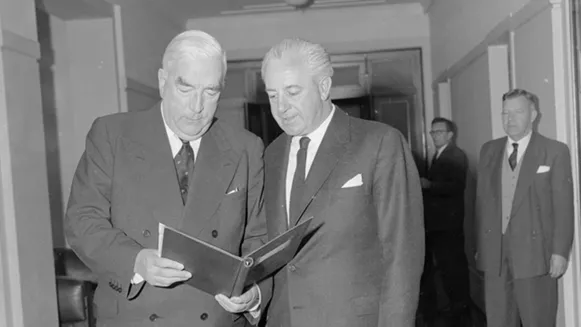
The day Robert Menzies retired
Robert Menzies resigned as prime minister in January 1966, ending the longest period – 16 years – as national leader in the history of Australian democracy.
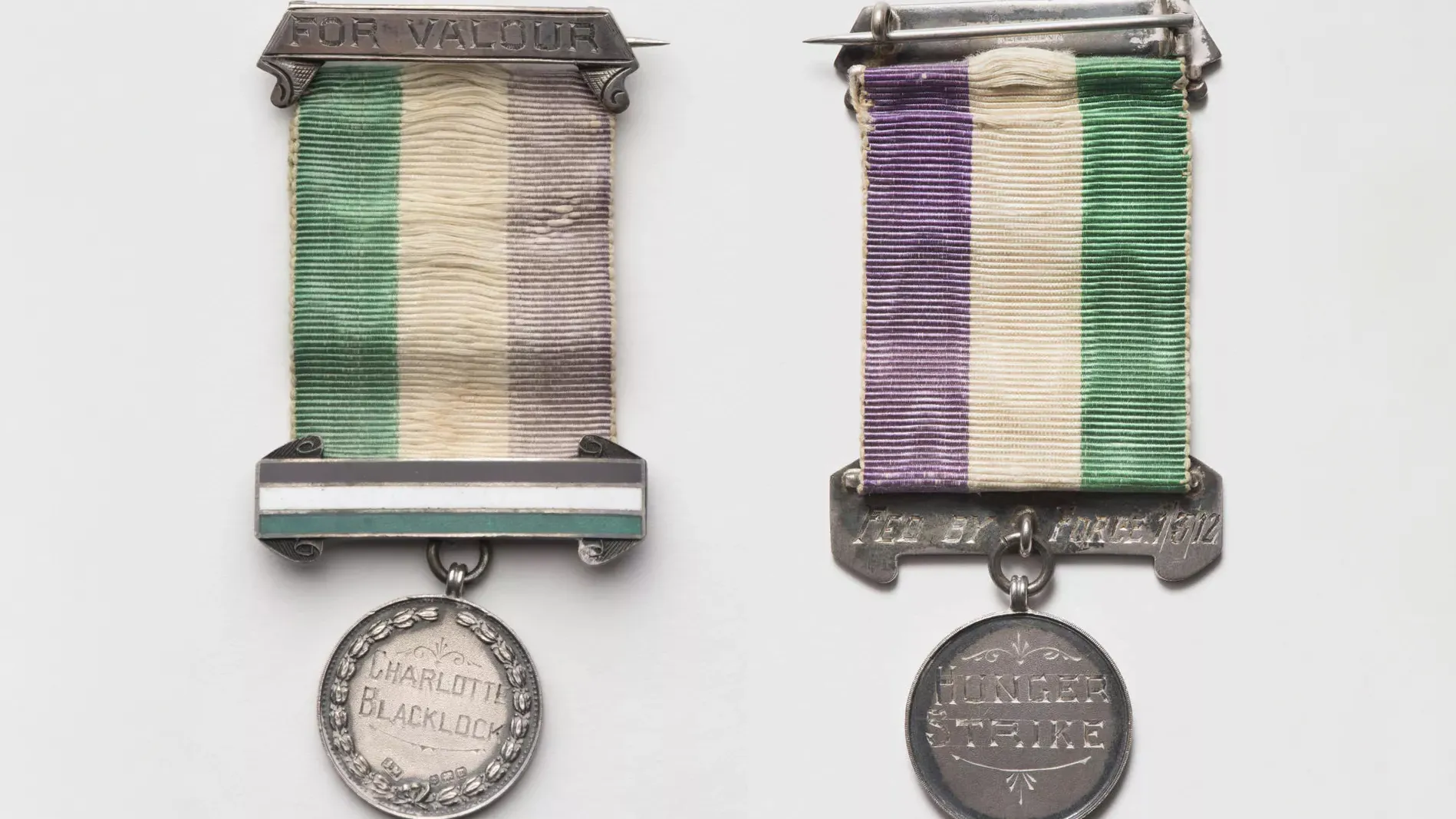
‘Woman wrecker’: A suffragette’s story
On 1 March 1912, a middle-aged woman named Charlotte Blacklock joined about 200 other women outside shops and offices in London’s glittering West End.
A very Fraser Christmas!
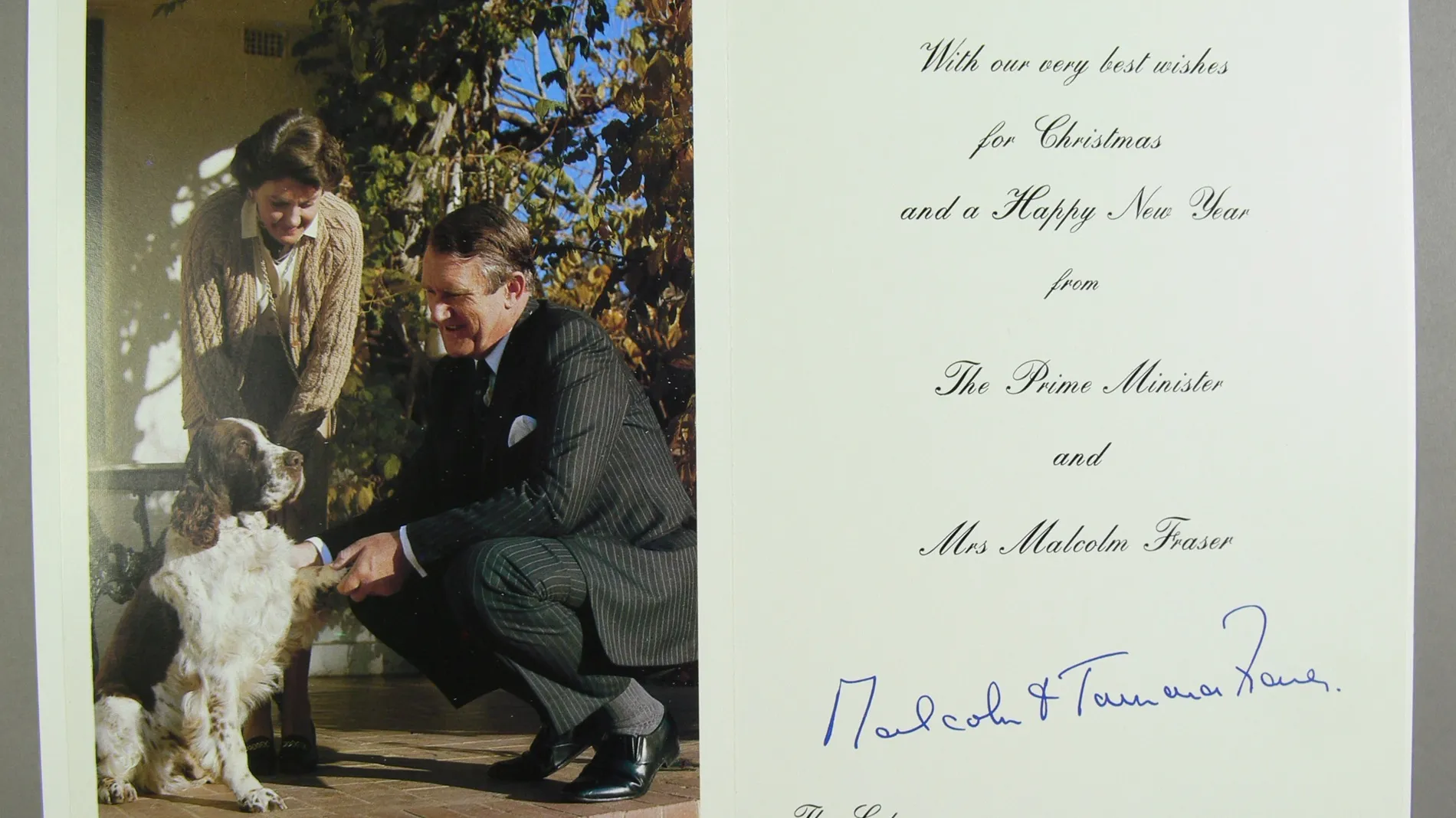
The Museum of Australian Democracy collection contains Christmas cards for almost every year of Malcolm Fraser’s prime ministership.
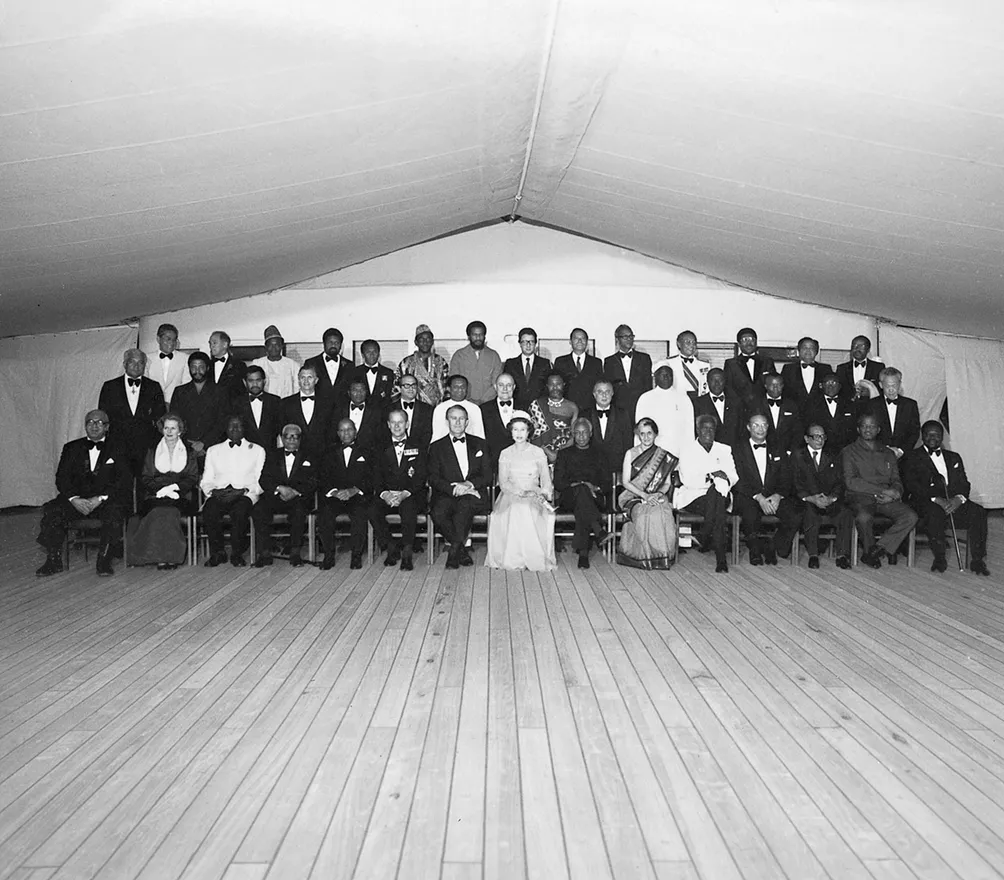
The Commonwealth Heads of Government Meeting (CHOGM)
The 24th Commonwealth Heads of Government Meeting – or CHOGM – was held in Malta from 27 to 29 November 2015.
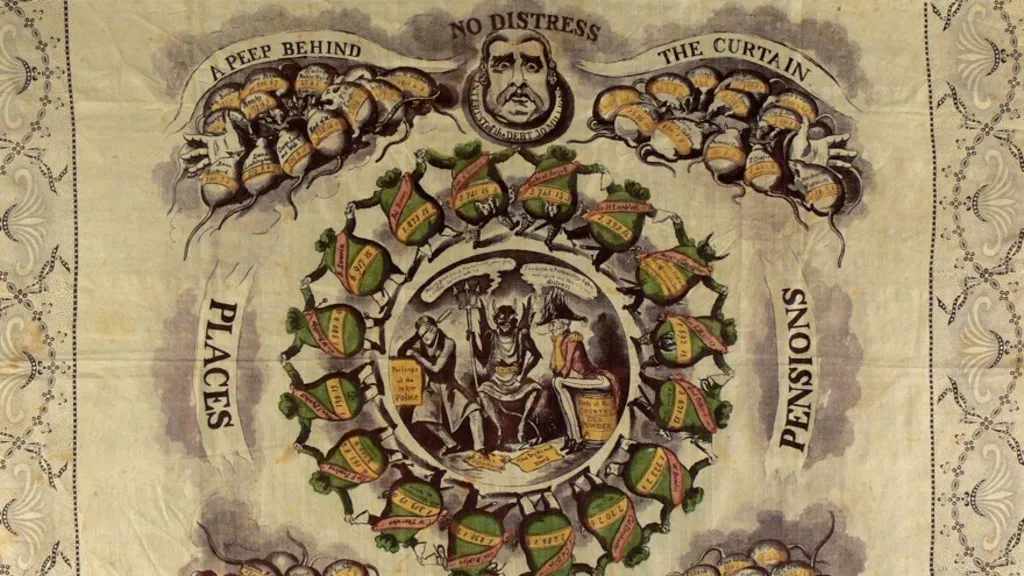
A peep behind the hankie
‘Society is founded upon cloth’ said Scottish historian and philosopher Thomas Carlyle.

The early life of Henry Parkes
Henry Parkes is an Australian inspiration. He remains NSW’s longest-serving Premier, having served on five separate occasions between 1872 and 1891.
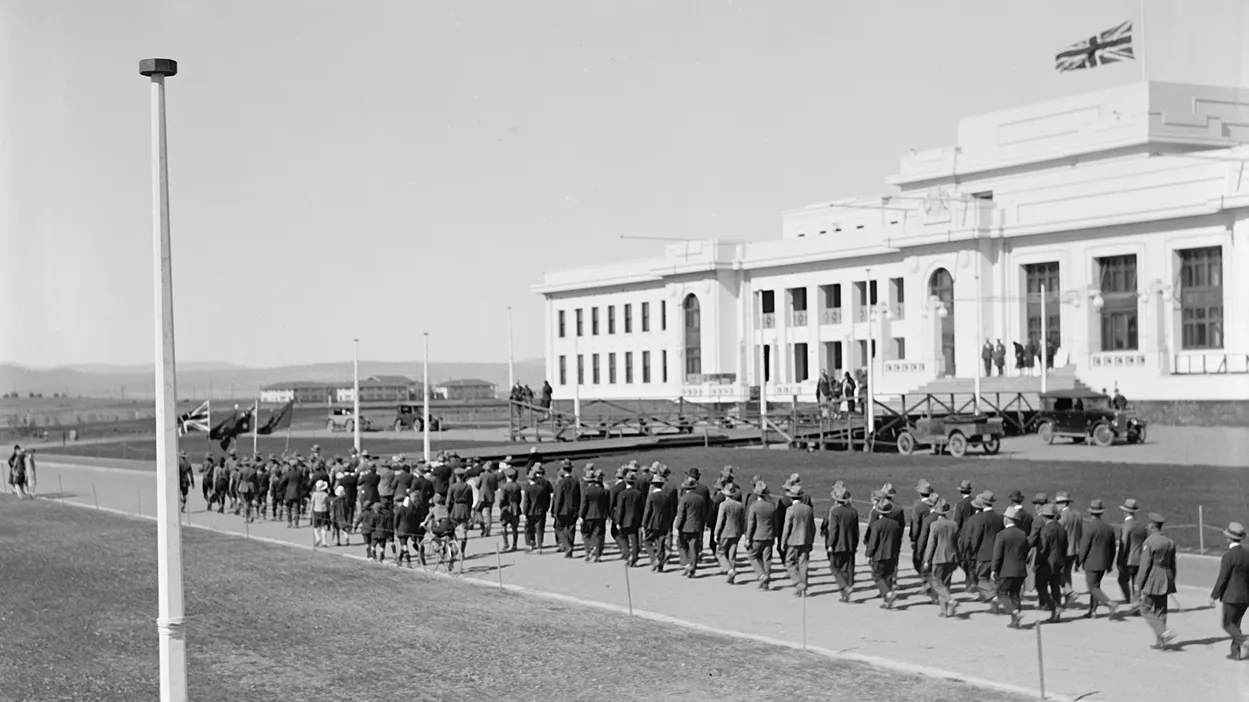

Let's get this party started: starting your own political party in Australia
April 2015 saw the launch of a new political party in Australia, John Madigan's Manufacturing and Farming Party, by Senator Madigan of Victoria.
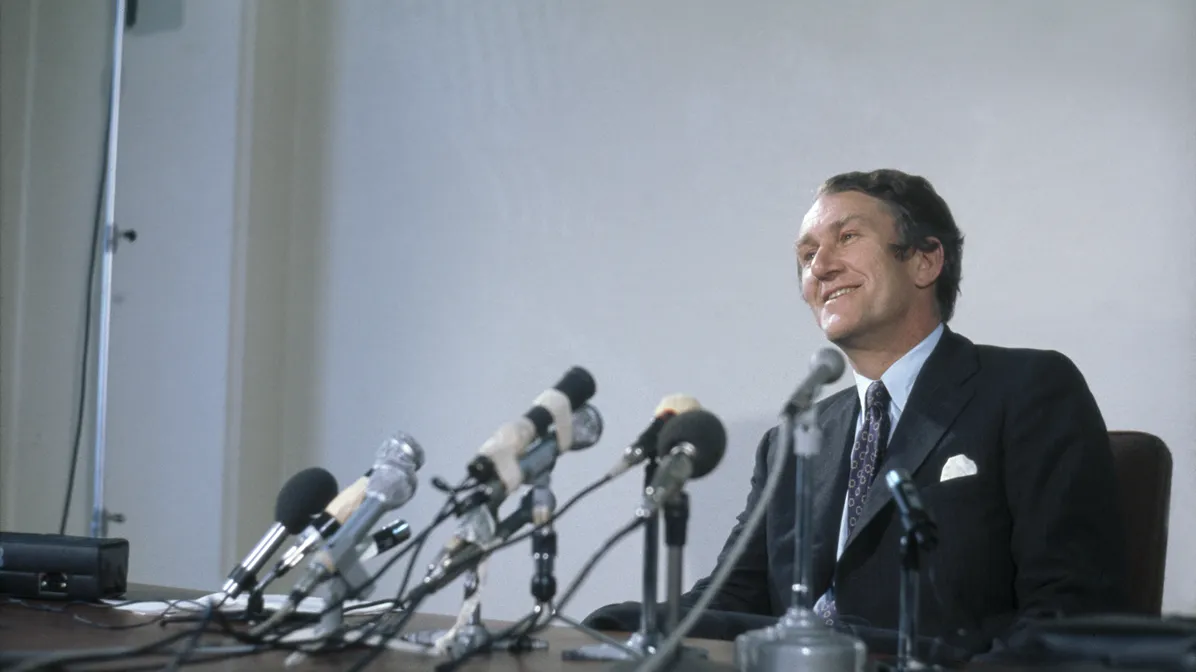

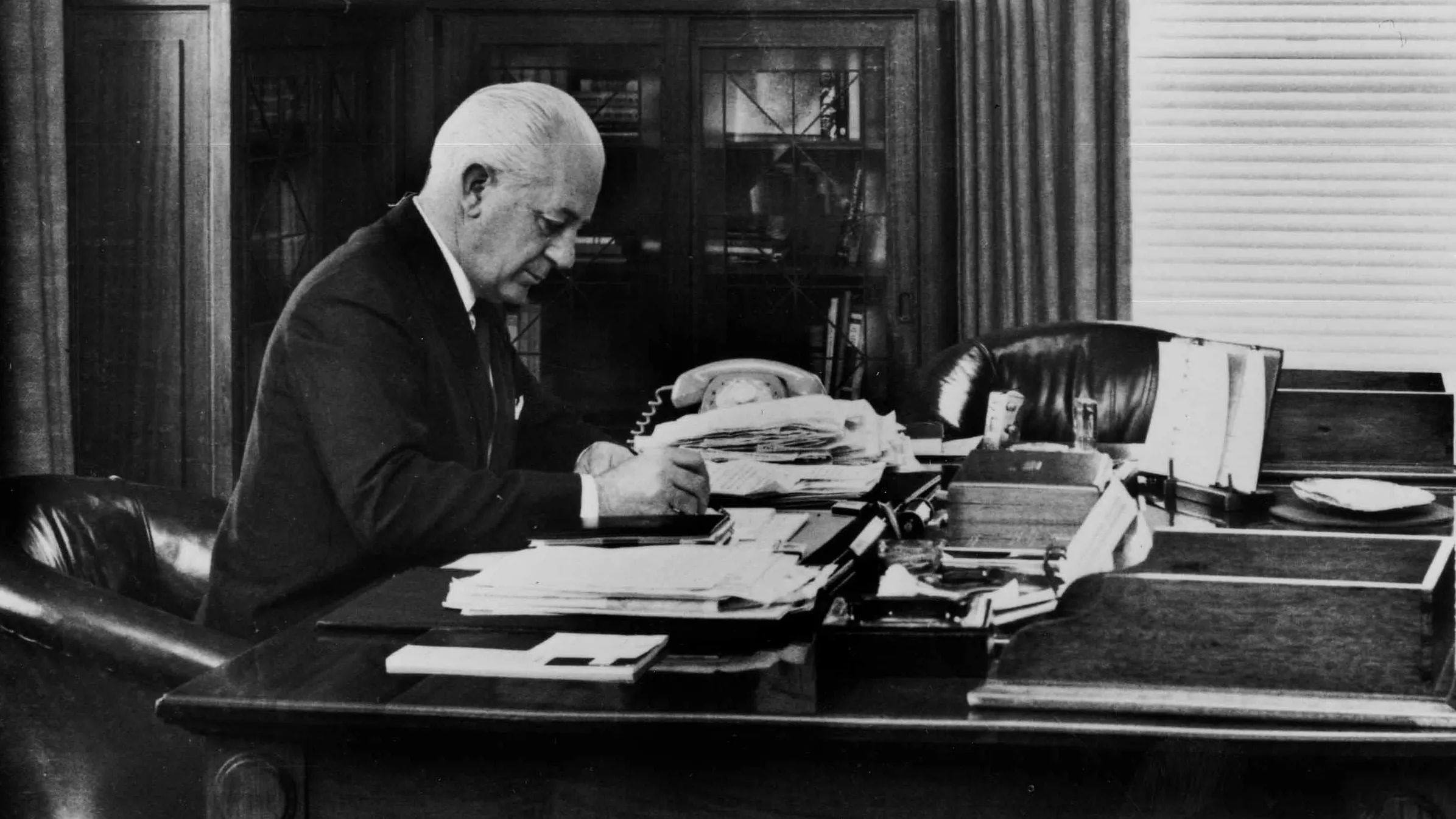
Credit, debit and loss: the banking records of Harold Holt
You can tell a lot about someone from what they buy. These stubs from Holt’s cheque books and deposit book provide a unique insight into his everyday life and the things he held dear.
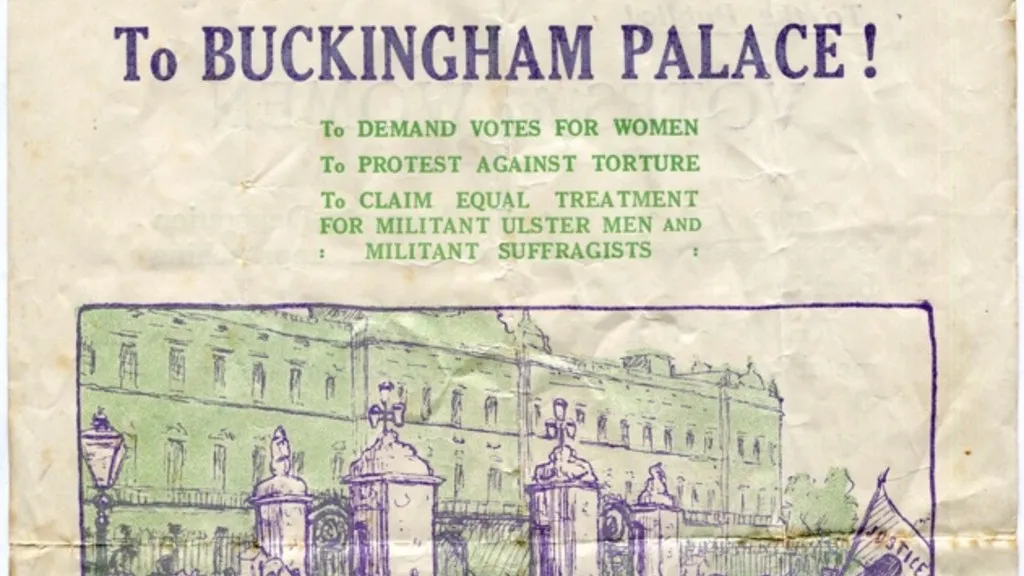
Whatever it takes to get the vote
If you were a woman in England at the beginning of the 20th century it took march after march, demonstration after demonstration, hunger strike after hunger strike.

How to change laws and influence people
In 1895, South Australia became the first place in the world to give women both the right to vote and to stand as candidates for election.
Exploring the Arthur Calwell Collection
The Museum has some astonishing, beautiful, rare, significant and downright weird things in its collection.
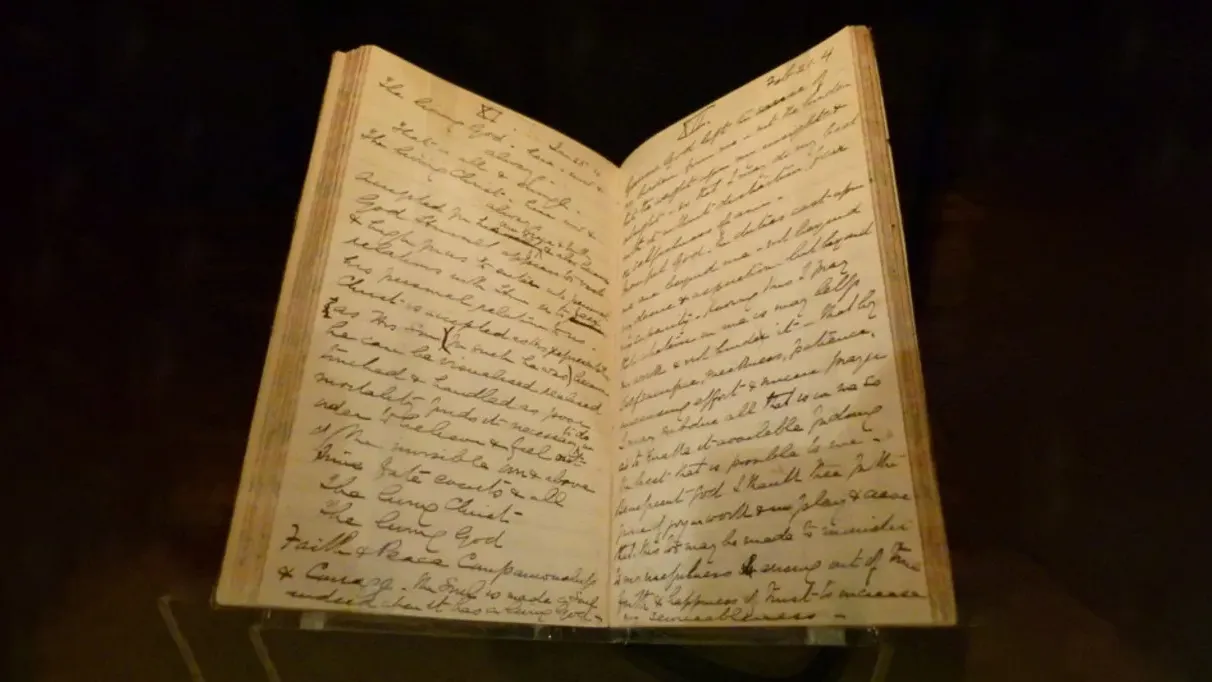
Alfred Deakin and the Divine
Remember the days when people wrote with their bare hands? When there was a direct physical and mental connection between brain, body, ink and paper?
The white glove treatment
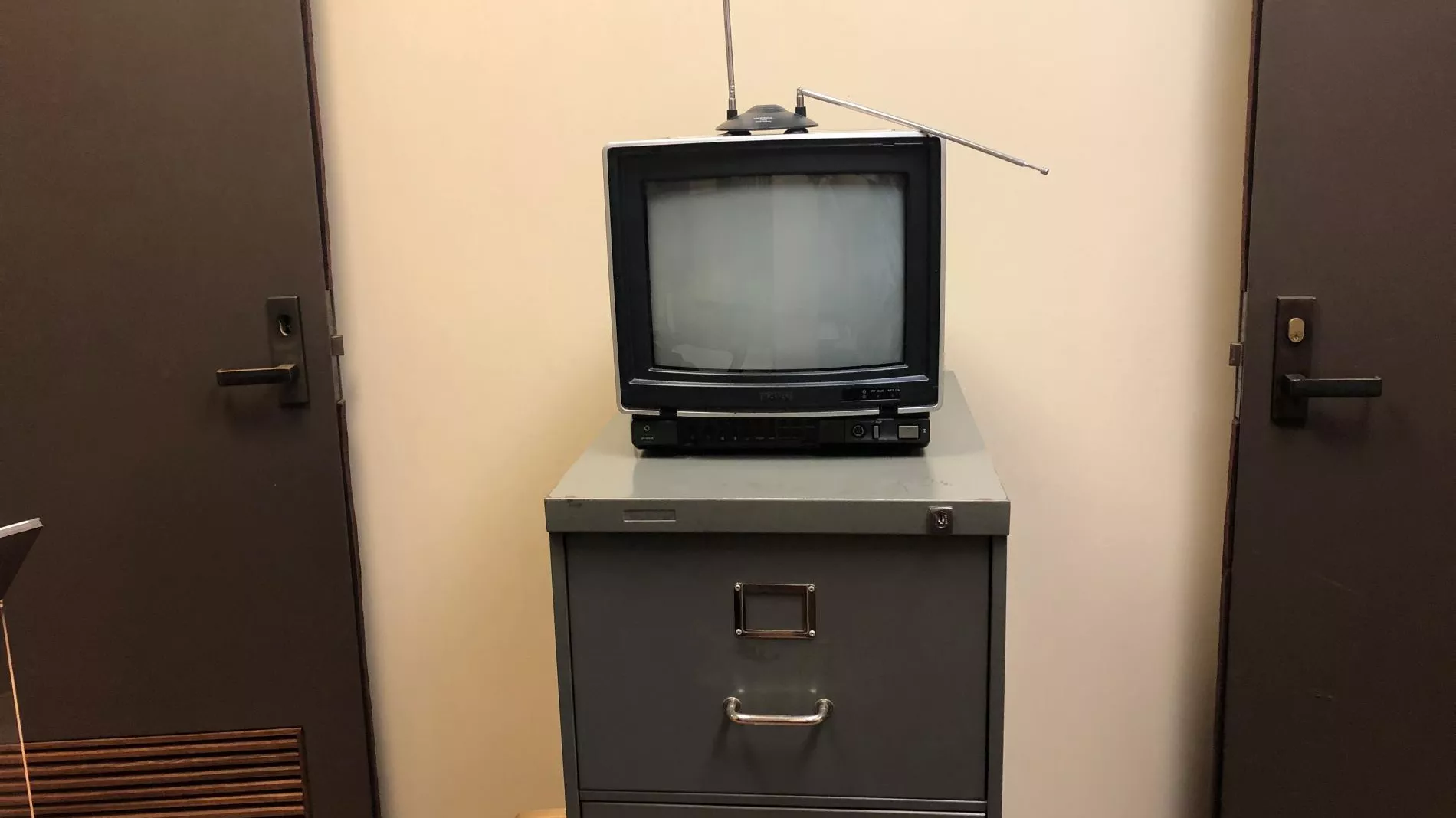
After years consigned to the spare room, the garage and the share house, a television has finally come back to its original home in the Prime Minister’s Suite at the Museum of Australian Democracy at Old Parliament House.
A fascist sex symbol?
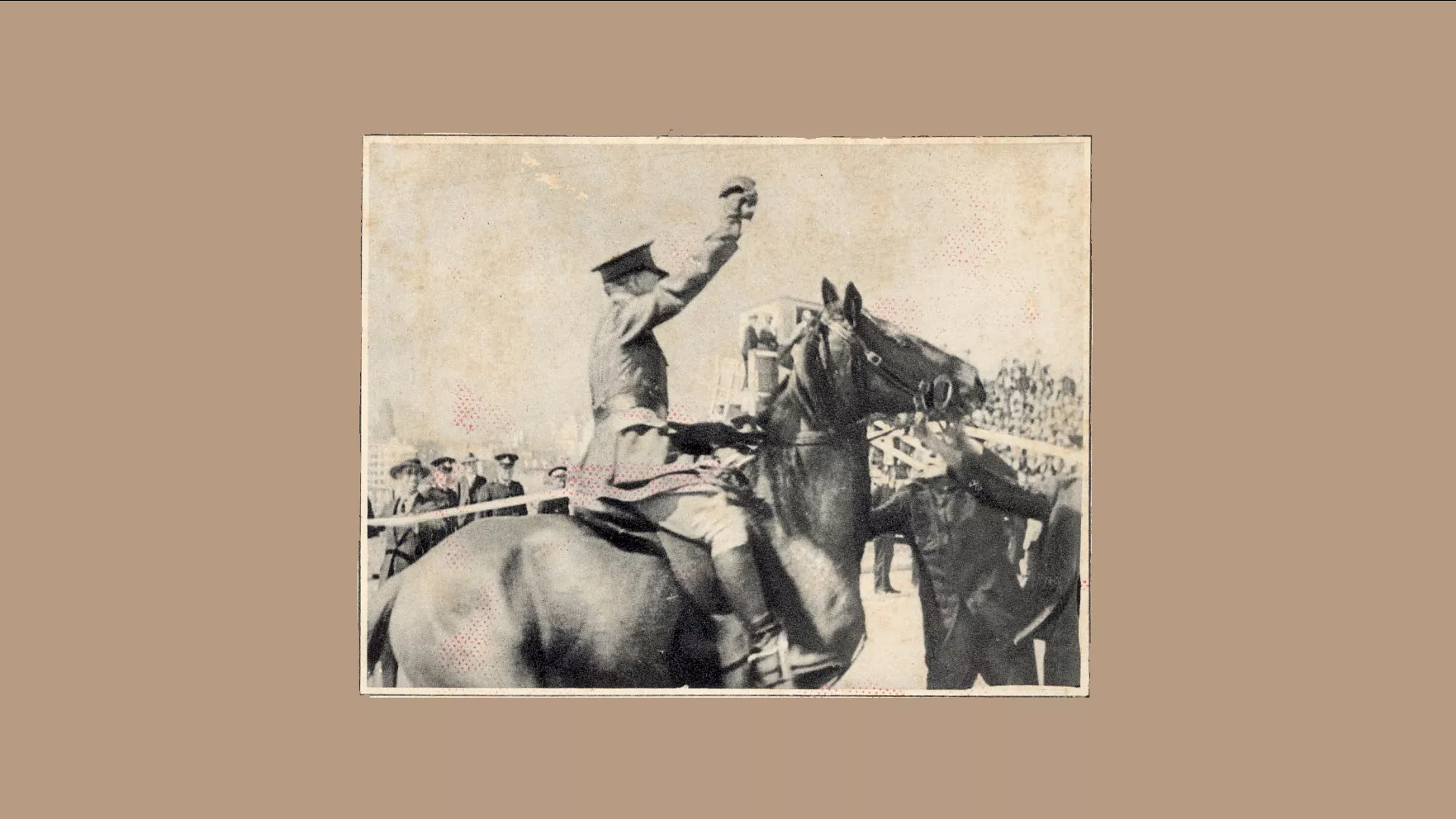
These items in the Museum's collection dig deeper into one of the more famous stories in Australian history.
Archie Cameron’s war on Phar Lap
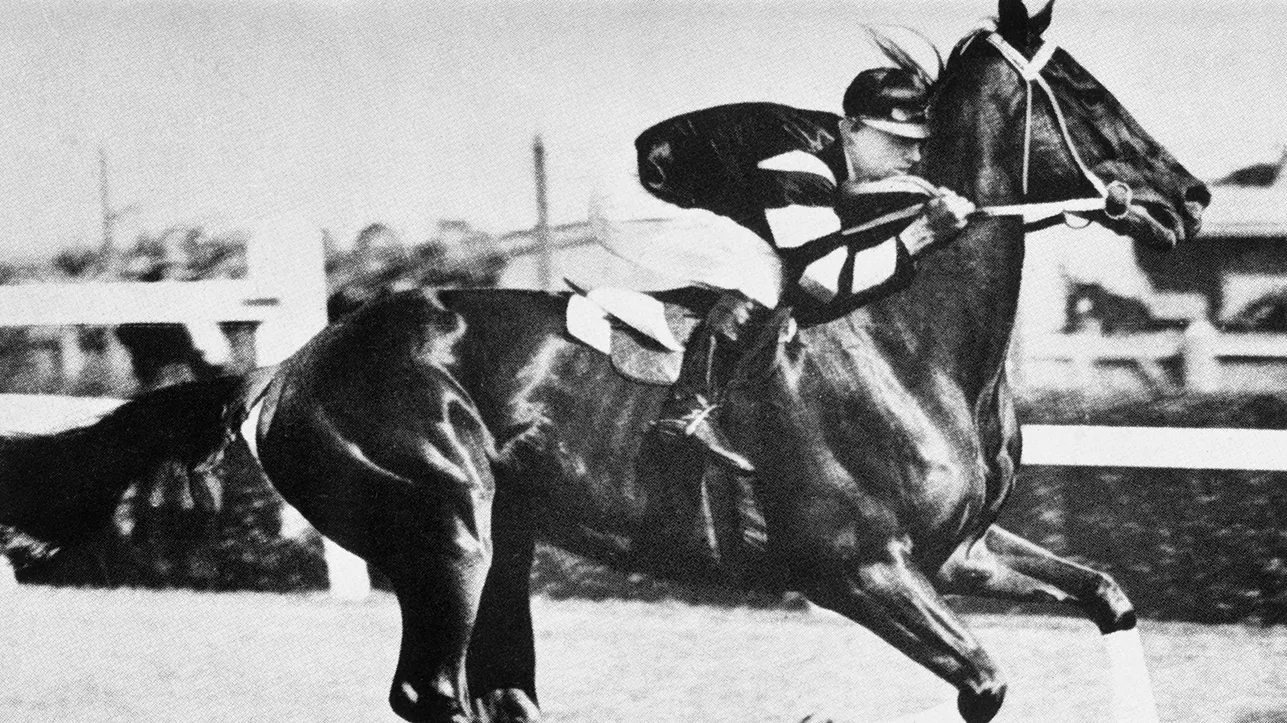
The twelfth Speaker of the House of Representatives, Archie Galbraith Cameron, is renowned for his colourful personality and autocratic, abrasive style of managing the affairs of the House.
Mr Speaker!
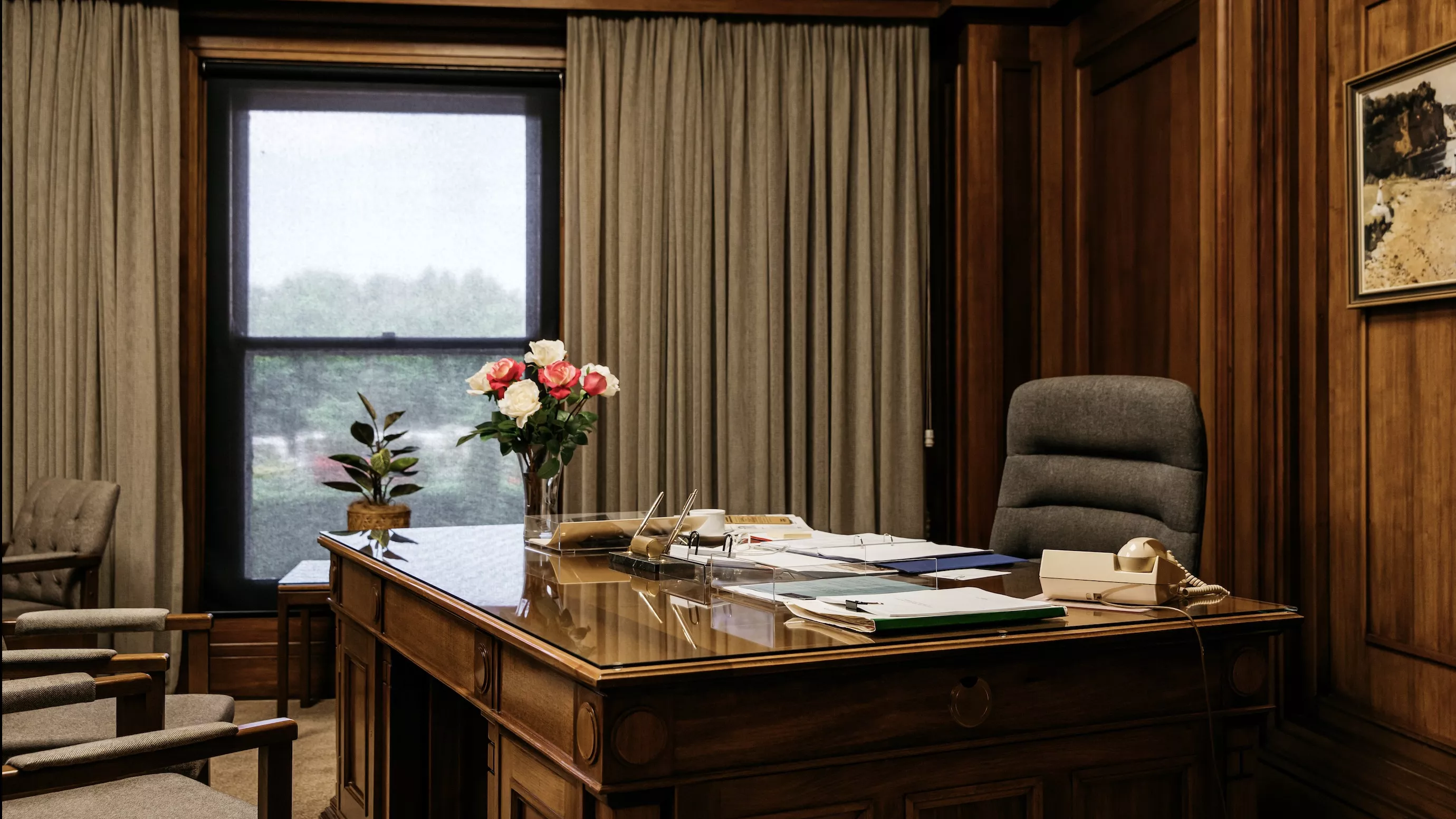
At the beginning of March 2012 a Queensland Times newspaper read 'Slipper tally: 26 pollies ejected', and a few days later a headline in the Age shouted 'The revenge of Peter Slipper'.
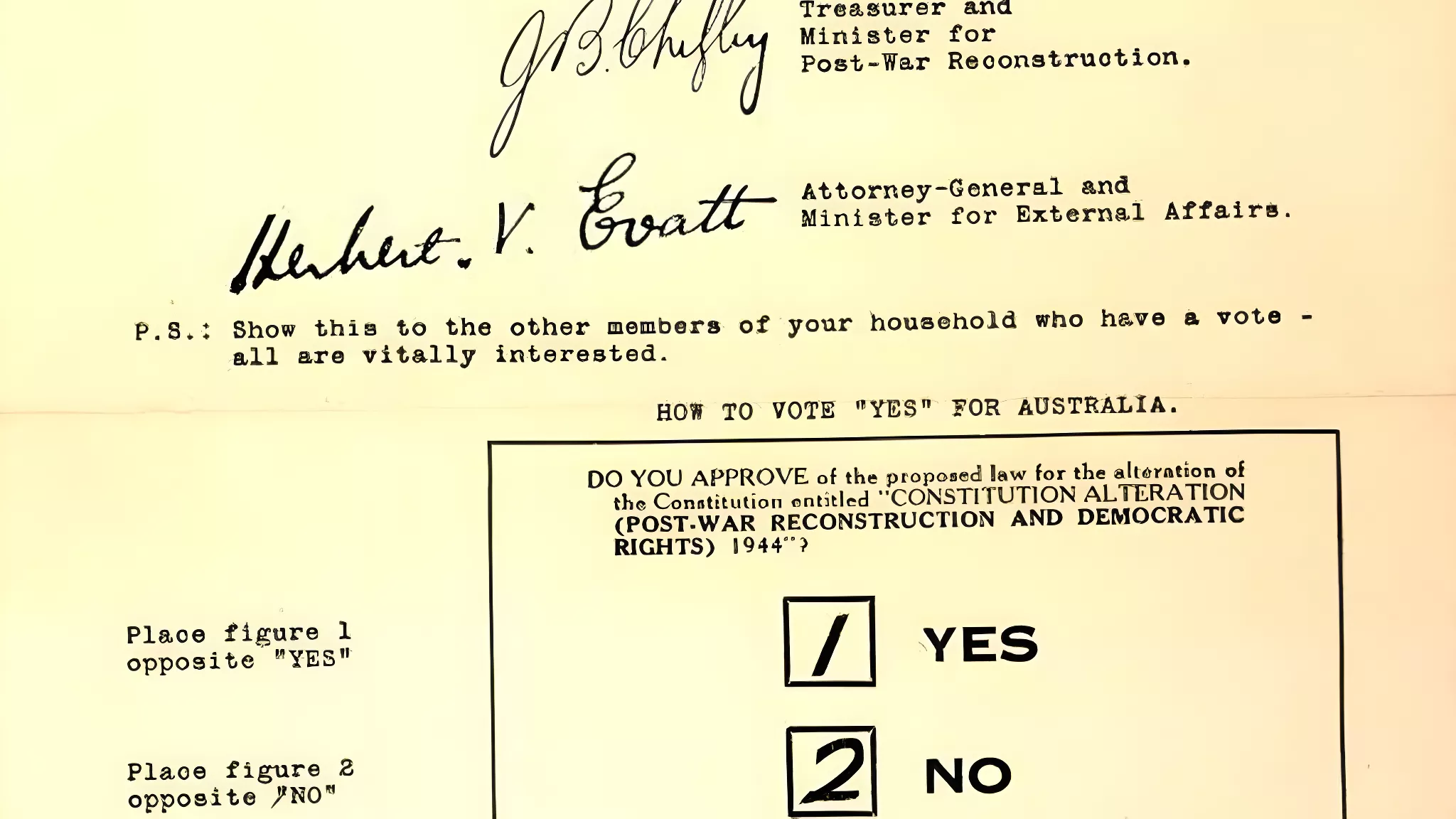
Below the line: how Australia's voting system has changed
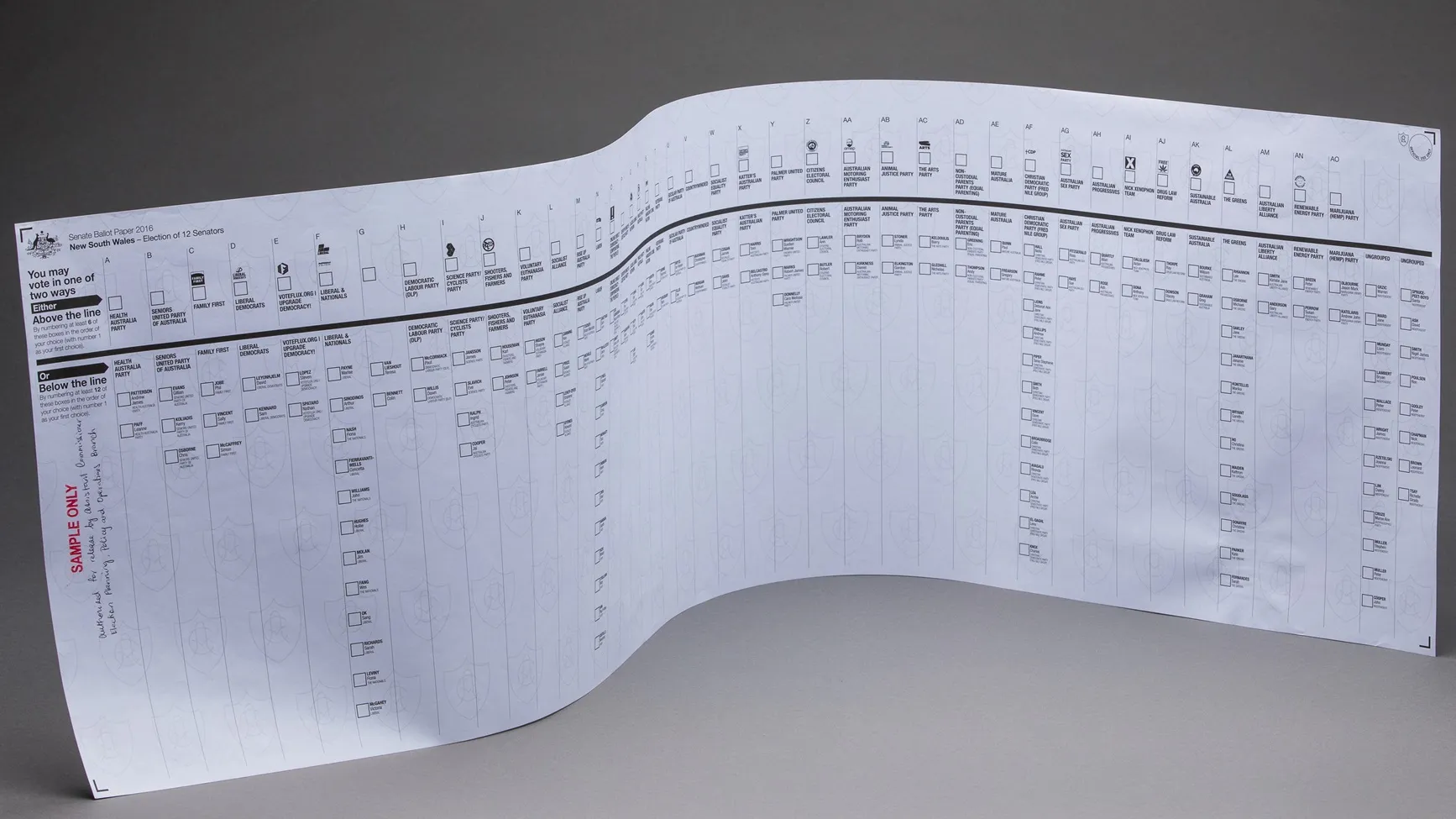
Australia's democracy is not static. Over the years, the way Australians have chosen their elected leaders has been constantly evolving.