


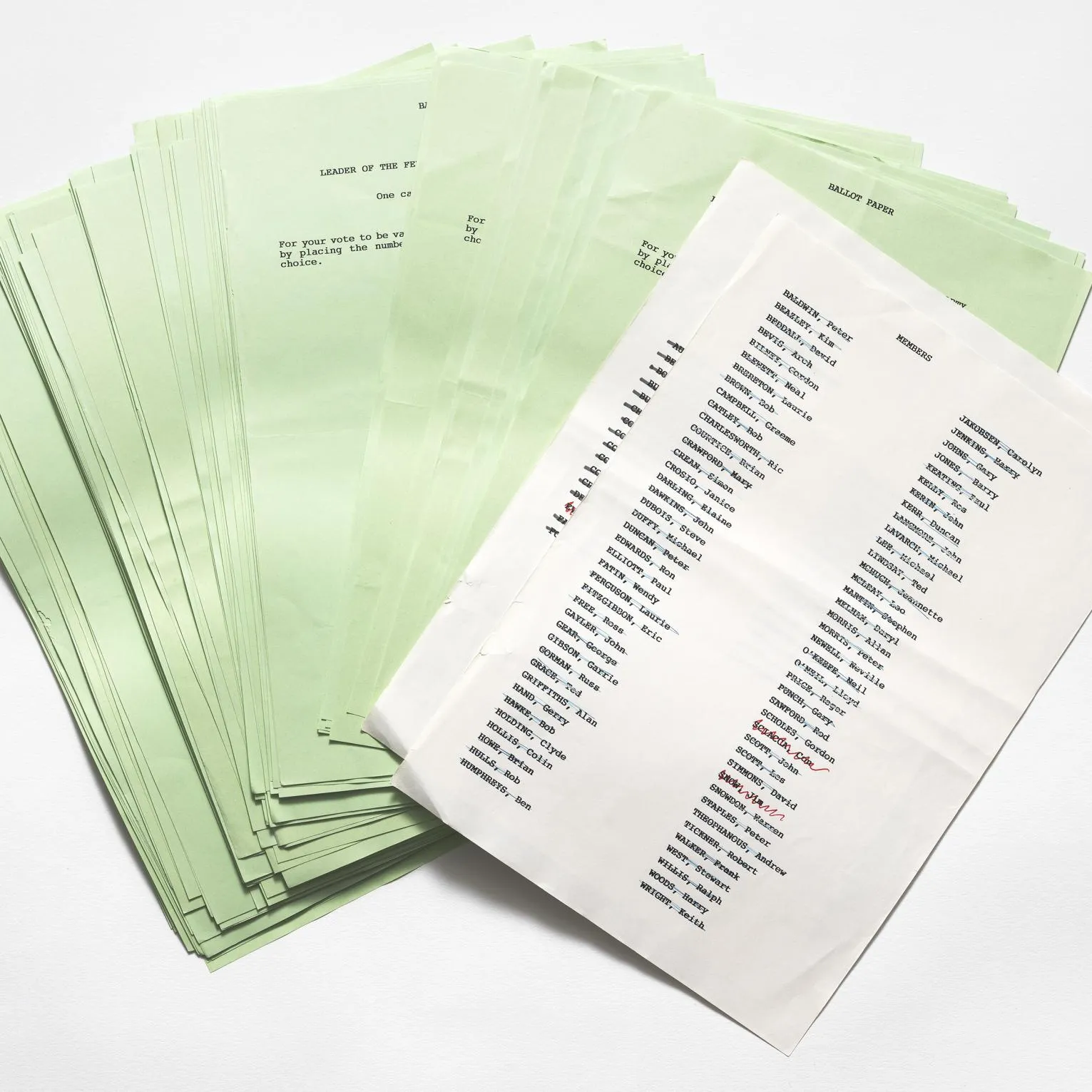
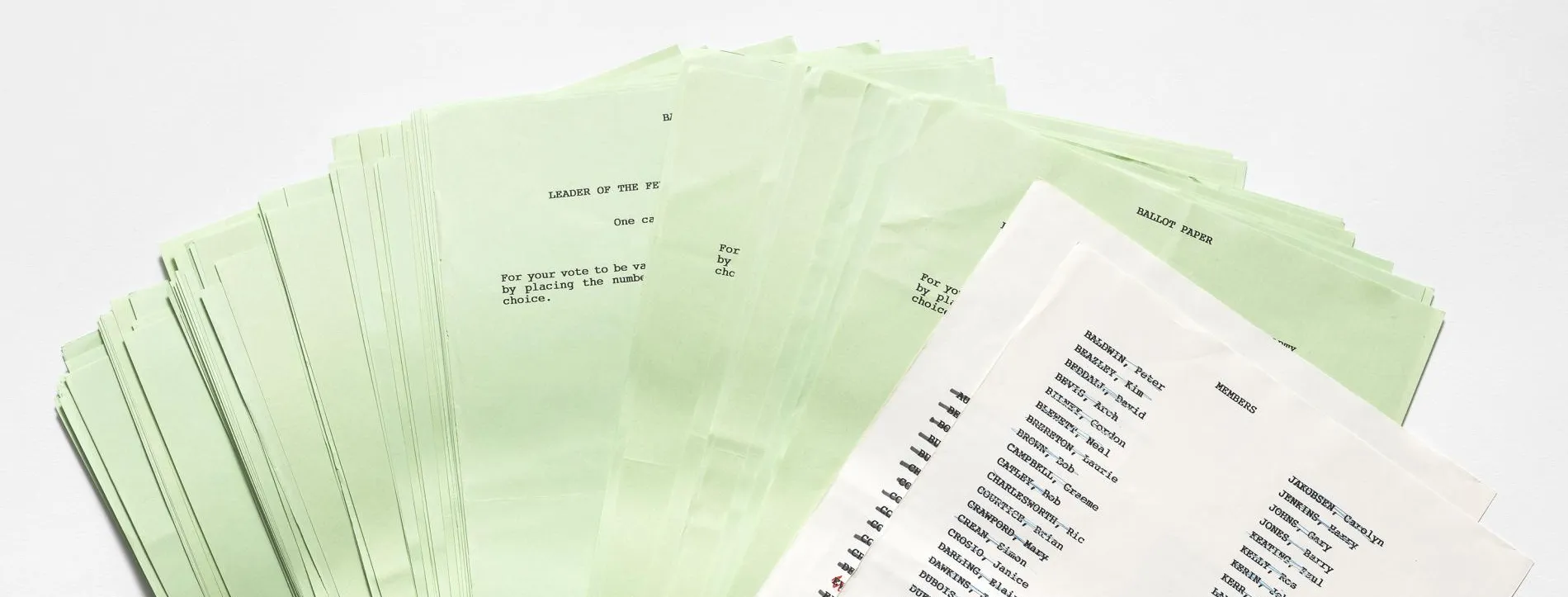
Bob Hawke vs Paul Keating leadership challenge ballot papers
Challenge accepted.
These are the ballot papers used by members of the Labor caucus when Paul Keating launched leadership challenges against Bob Hawke in 1991.
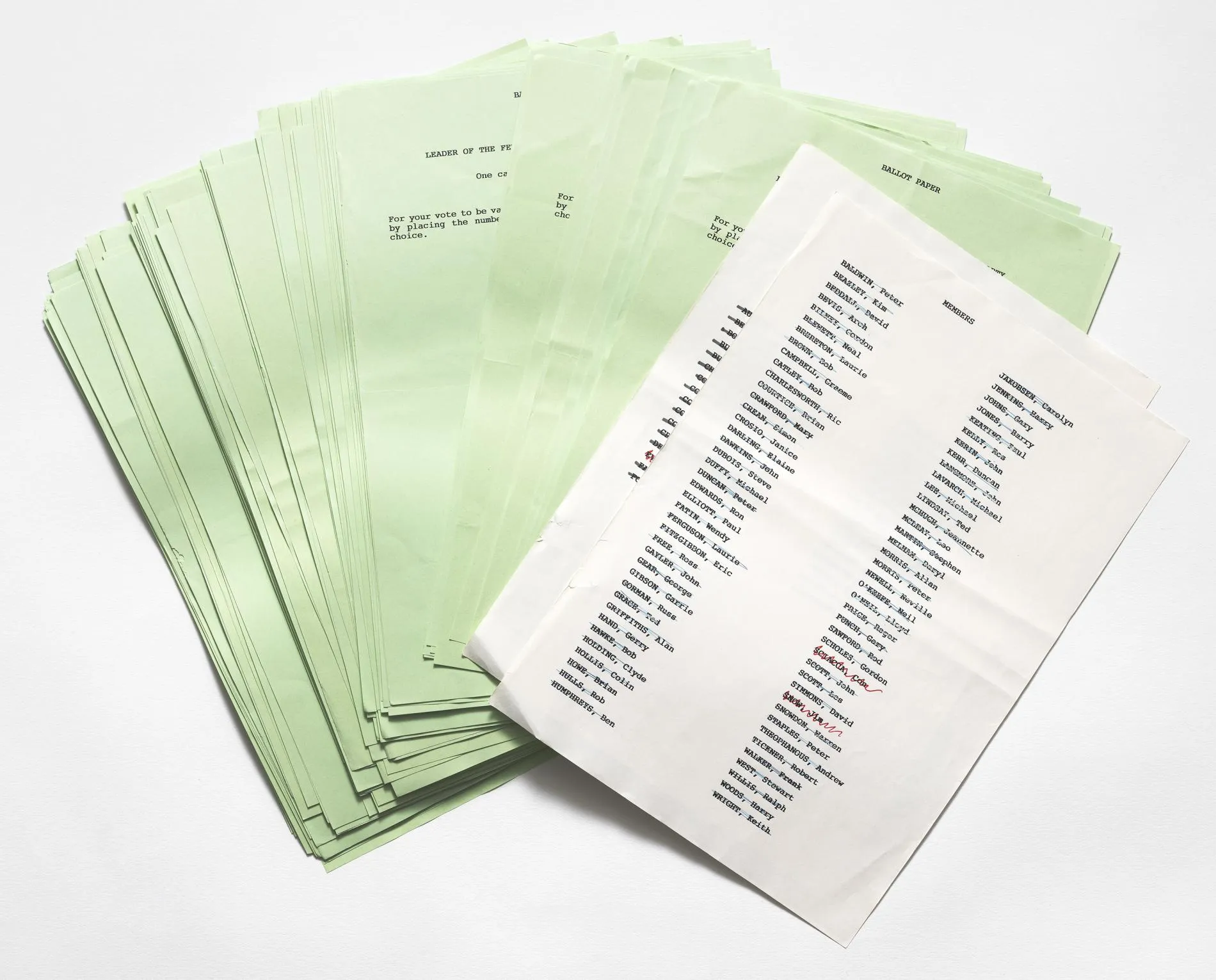
The ballots have all been printed and carefully designed to be as simple as possible, yet official and by-the-book. This wasn't a casual process. People needed to know the result was legitimate and fair.
A talented parliamentary performer, Keating became treasurer in the Hawke government when it was elected in 1983. Keating was seen very much as the second-in-command, and heir apparent to the Labor leadership. The two men initially had a strong working relationship and shared goals. In 1990 he became deputy prime minister.
By 1988, Keating had begun to put pressure on Hawke to retire. Hawke resisted this pressure but reached an agreement with Keating which became known as the Kirribilli Agreement. The terms of the agreement are disputed, but there is general understanding that Hawke undertook to retire following the 1990 election. This agreement was witnessed by the Secretary of the Australian Council of Trade Unions (ACTU) Bill Kelty and businessman Sir Peter Abeles.
Hawke won the 1990 election, but only narrowly, and saw his personal approval ratings start to fall. In December, Keating made a speech to the National Press Club in which he belittled Hawke's leadership and questioned the government's direction. Likening himself to operatic tenor Plácido Domingo in his showmanship and work ethic, Keating lamented that Australia had never had a leader of the calibre of Abraham Lincoln or Franklin D. Roosevelt. Hawke, finding this a snub and an act of disloyalty, reneged on the Kirribilli Agreement. The partnership, once strong, then strained, now disintegrated.

Prime Minister Bob Hawke and (future prime minister) Paul Keating at the Australian Labor Party Conference, 1984.
Photograph NAA: A6135, K6/8/84/74
On 3 June 1991 Keating resigned from Cabinet and announced he would challenge Hawke for leadership of the Labor Party. Ballot papers were printed and issued out to all members of the Labor caucus, and a vote took place inside the party room. The papers were then counted. Hawke won 66 votes and Keating 44. A wounded, but not defeated, Keating returned to the backbench.
Hawke's standing with the electorate continued to decline through the remainder of 1991 as the economy took a turn for the worse. By December, it became apparent to Keating and his supporters that unless Hawke was replaced, Labor would likely lose the next election. Another leadership ballot was called for 19 December. Similar ballot papers were quickly made up, and the same caucus voted again. This time, 56 voted for Keating and 51 for Hawke – three people were missing.
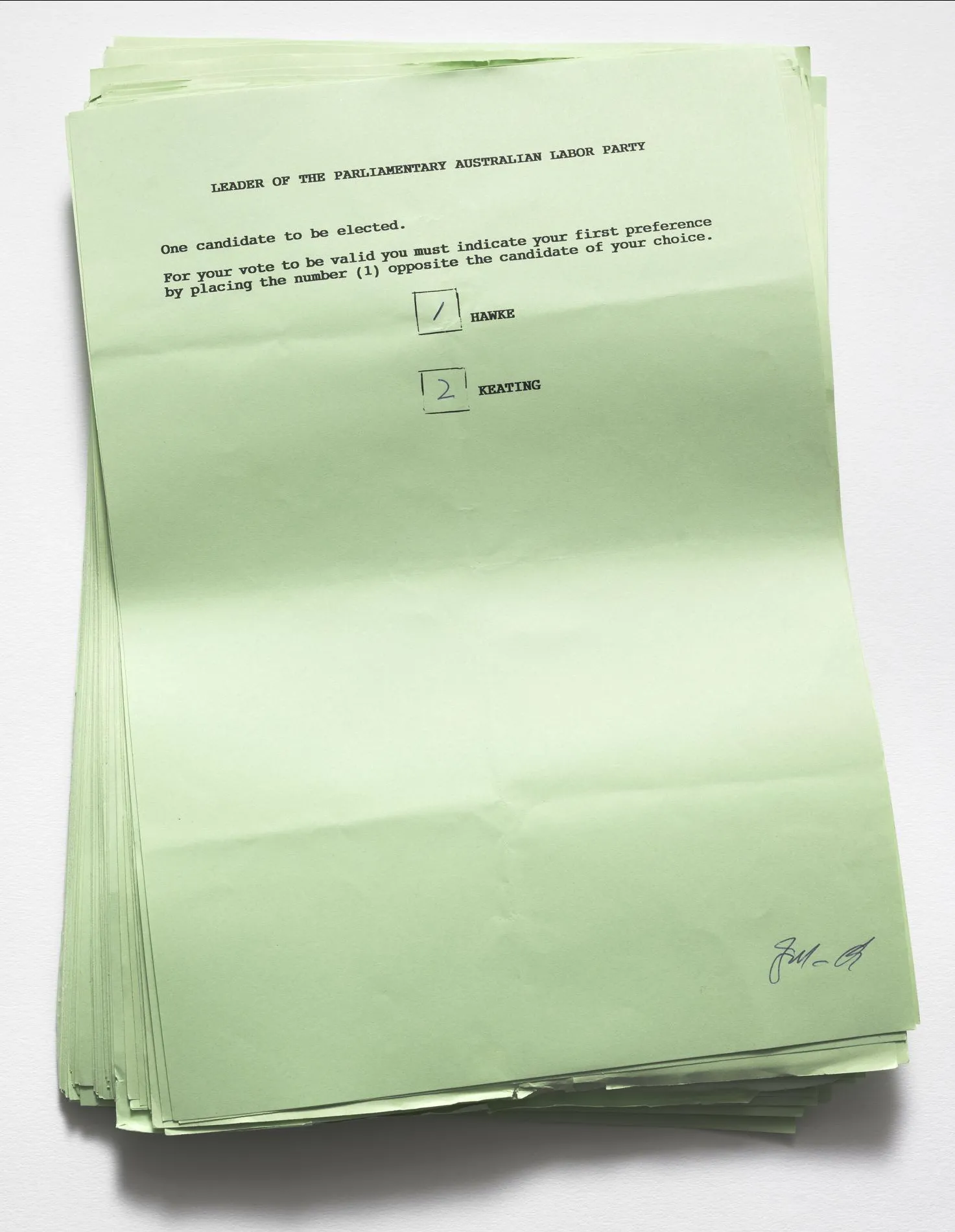
The bottom of each ballot has been signed by Jim McKiernan, who was the returning officer for both leadership ballots.
The victorious Keating paid tribute to his predecessor, and vice versa. After one final speech as prime minister in the House of Representatives, during which he implored the Speaker to 'bring the buggers to order', Hawke resigned as prime minister the following day, and Keating was sworn in as his replacement as Labor leader and prime minister.
Despite poor polling and the economic situation, Keating did indeed go on to win the 1993 election, described by some as 'unlosable' for the Opposition. His government was, however, heavily defeated in the 1996 election by a resurgent Coalition led by John Howard.
What is a leadership challenge?
Most political parties have rules set up that mean under certain circumstances, the party leader can be replaced. Sometimes the process involves the leader resigning, and a new one elected, but there are also often rules saying someone can directly challenge them and force the party to choose between them. The more correct term is a leadership spill – a motion that the leadership is vacant.
The December 1991 result was the first successful leadership challenge against a sitting prime minister. A similar change at the top would happen in the Labor Party in 2013, and the Liberal Party in 2015 and 2018. Both parties have now changed the rules to make challenges harder and less frequent. The Labor leader is no longer elected by caucus alone – rank-and-file party members also play a role, but 60% of caucus still must agree to hold the vote.
What is the Labor caucus?
The Labor caucus, formally the Federal Parliamentary Labor Party, consists of every Labor senator and member of the House of Representatives. Caucus is the body which formally approves decisions of leadership, elects members of the ministry and decides parliamentary strategy, as well as some aspects of policy. Until 2013, it elected the party's leader – this role is now jointly held between caucus and the party's rank-and-file members. Caucus elects one backbencher to preside as Chair, who runs all the meetings.
Only Labor uses the term 'caucus' to refer to its parliamentary party. The non-Labor parties all use the term 'party room'. Labor's caucus structure is more formal than some other parties – meetings of the parliamentary Liberal Party, for instance, are chaired by the party's leader.
You may also be interested in...
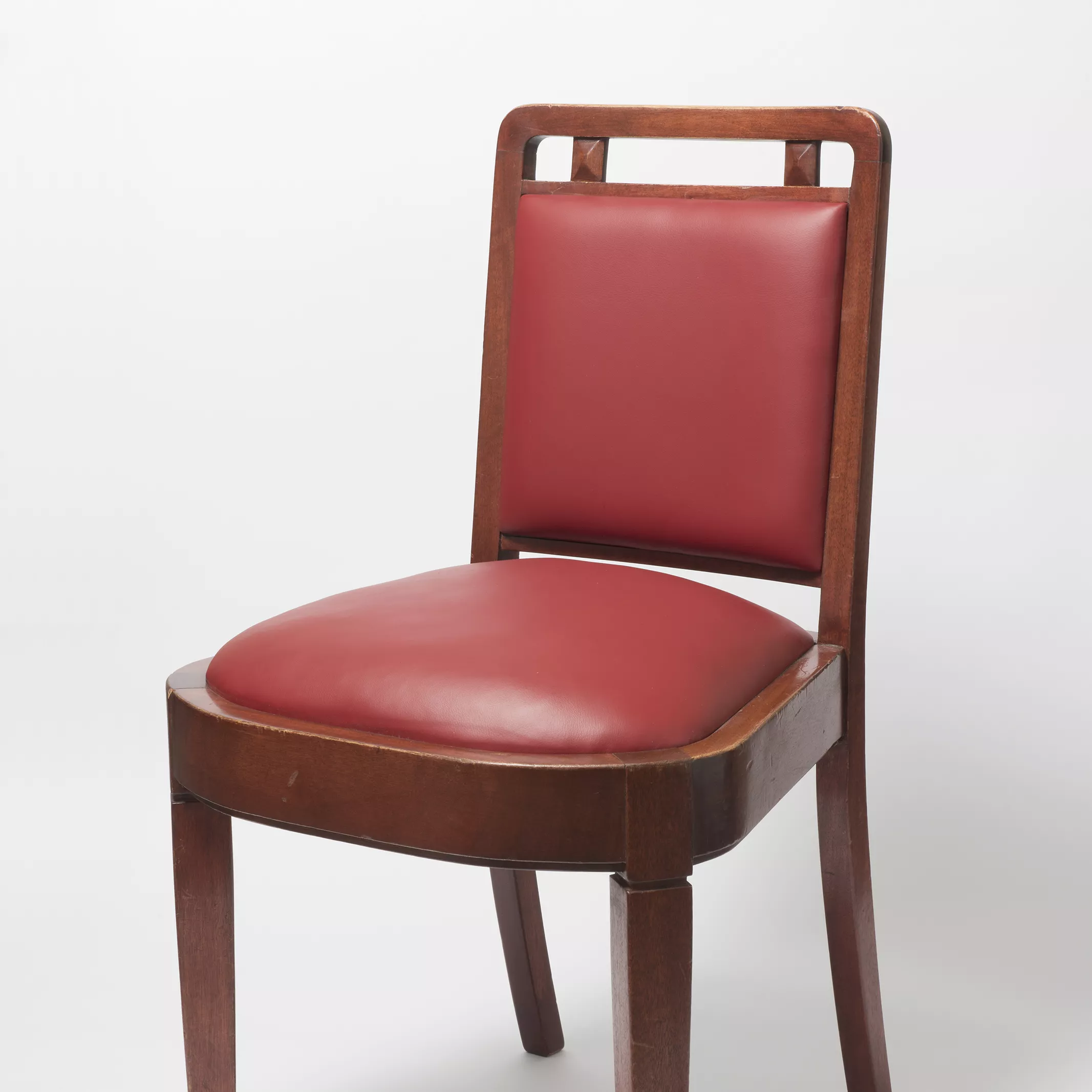
Dining room chair
A workhorse chair you can still sit on today.
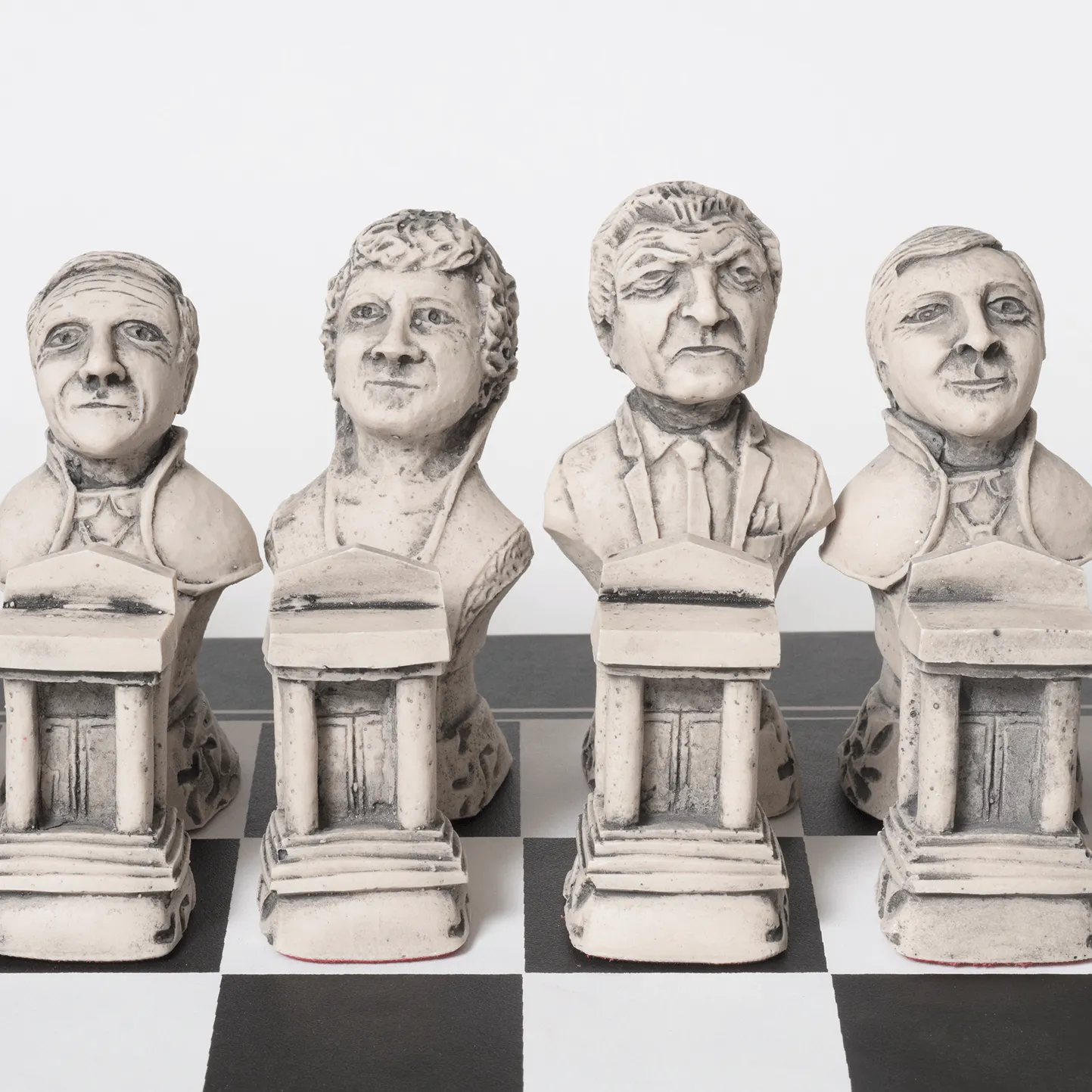
Political chess set by Douglas Pearce
A chess set with pieces made to look like federal politicians.
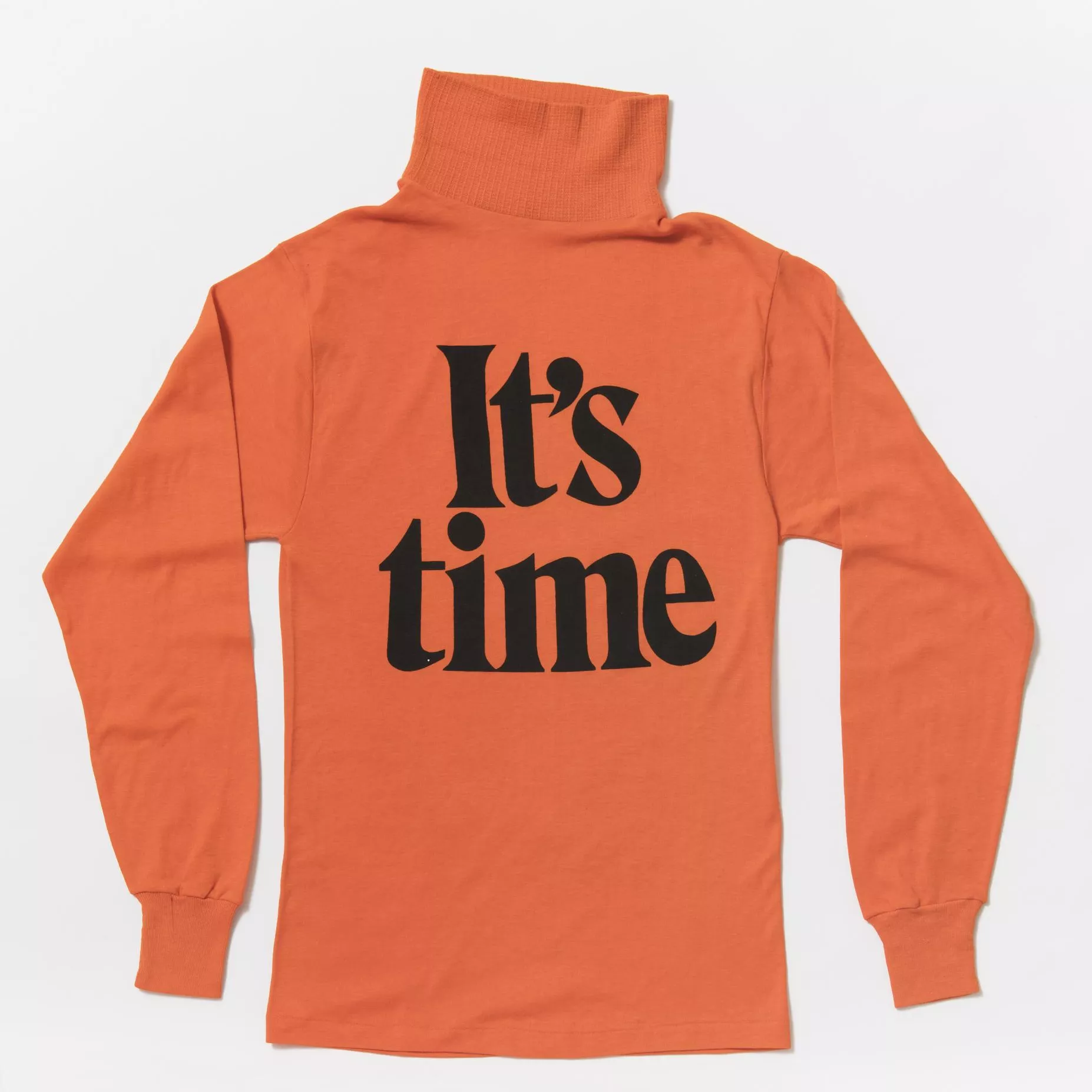
It's time skivvy
A rallying cry: 'It's time'.
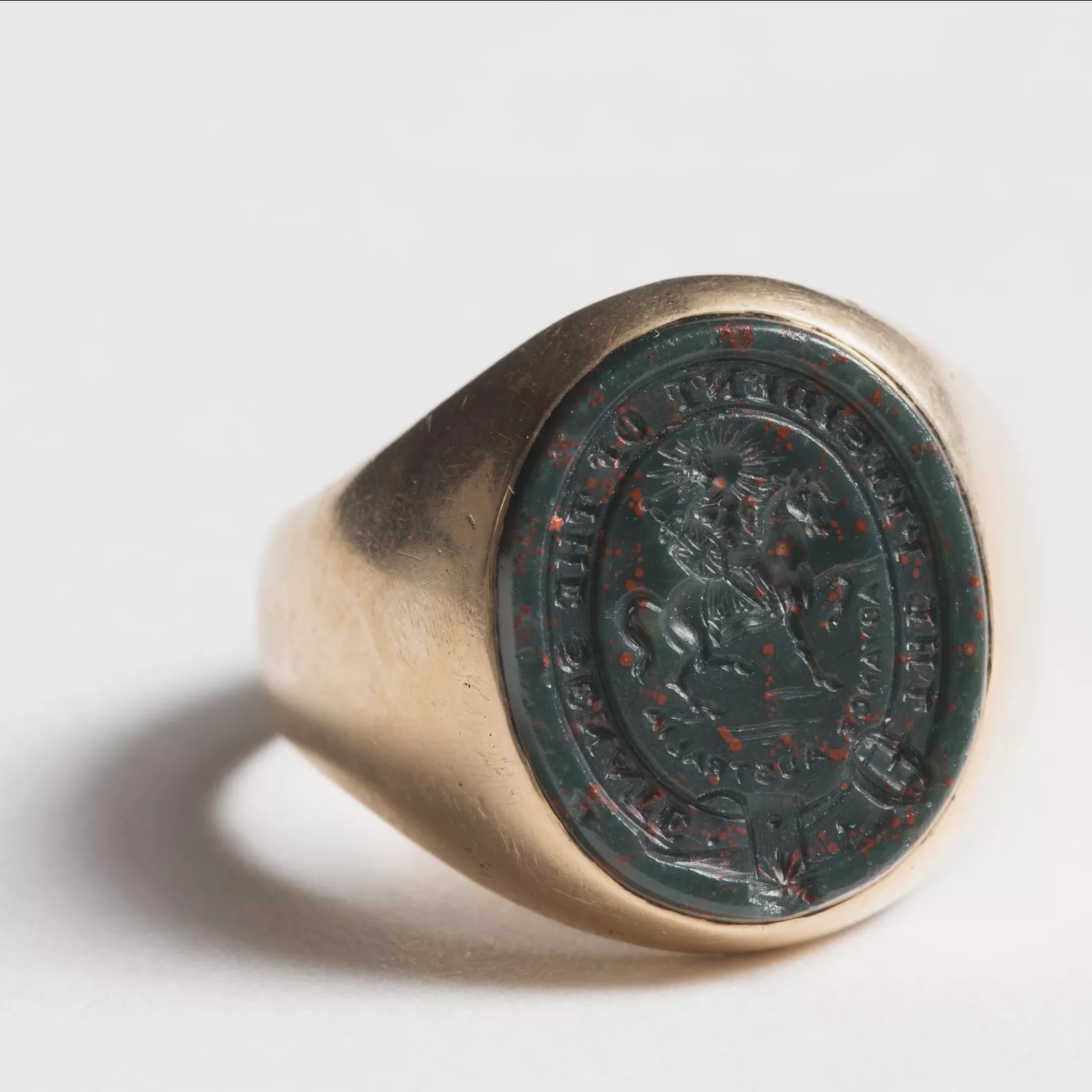
President of the Senate’s signet ring
Australia’s first ever President of the Senate likely commissioned this gold and bloodstone signet ring.
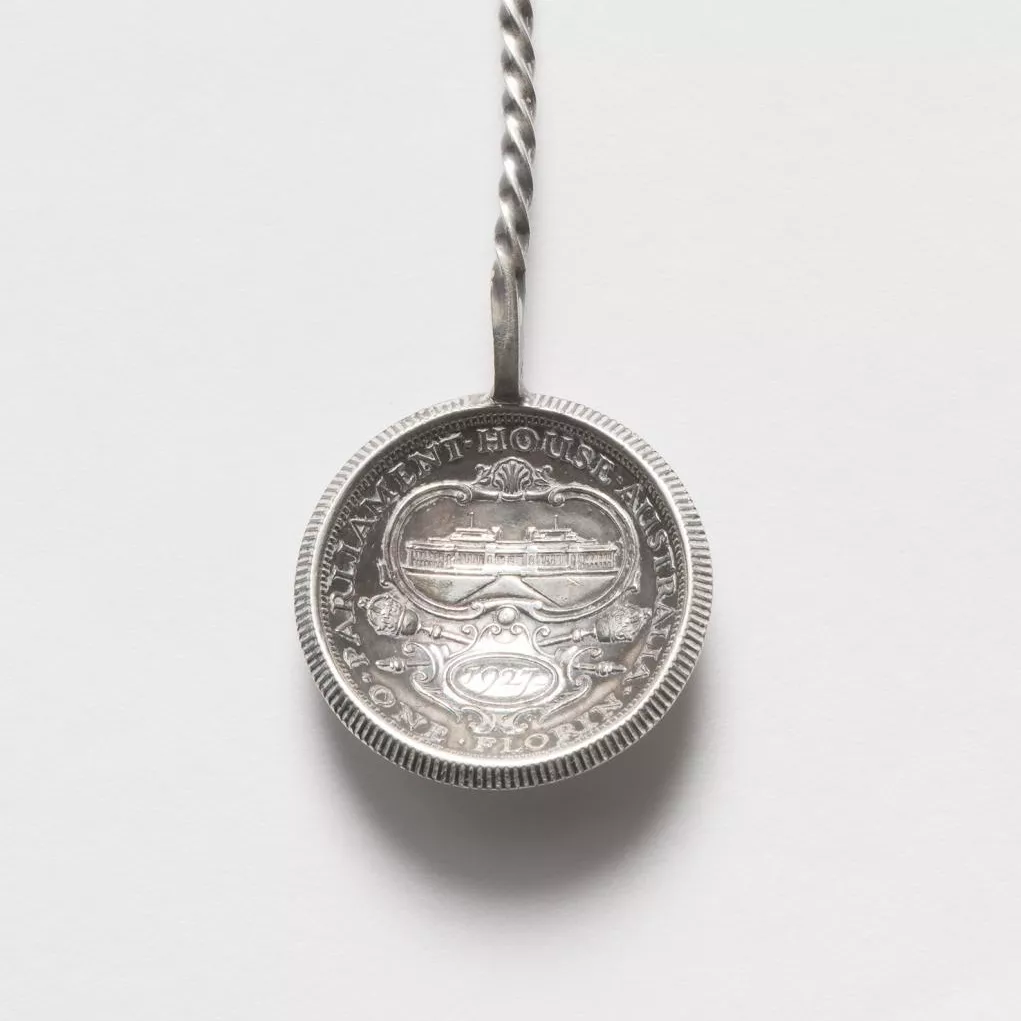
Souvenir spoon with commemorative florin
The first Australian commemorative coin marked the 1927 opening of Australia's provisional Parliament House.
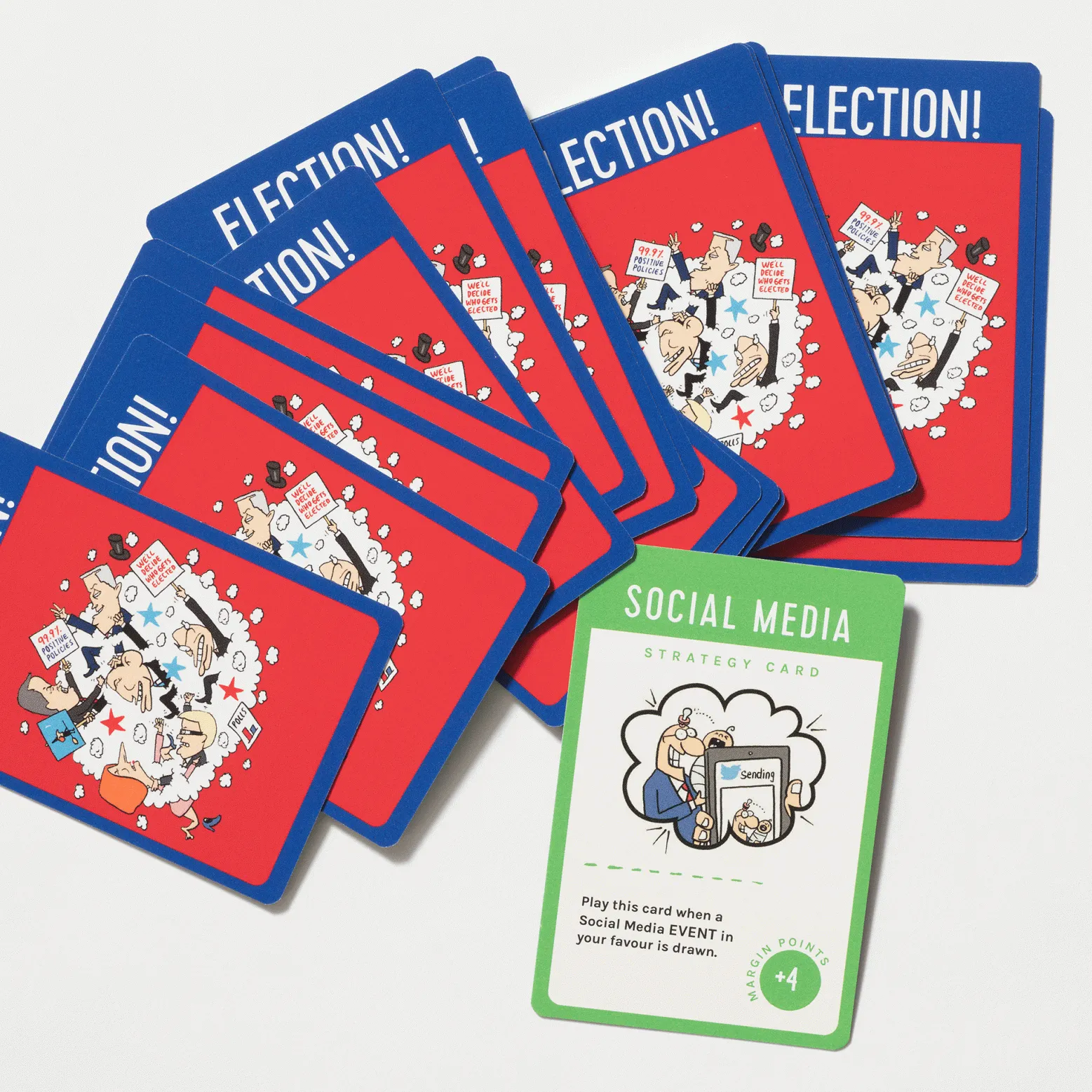
Election! card game
A card game for political tragics.
