


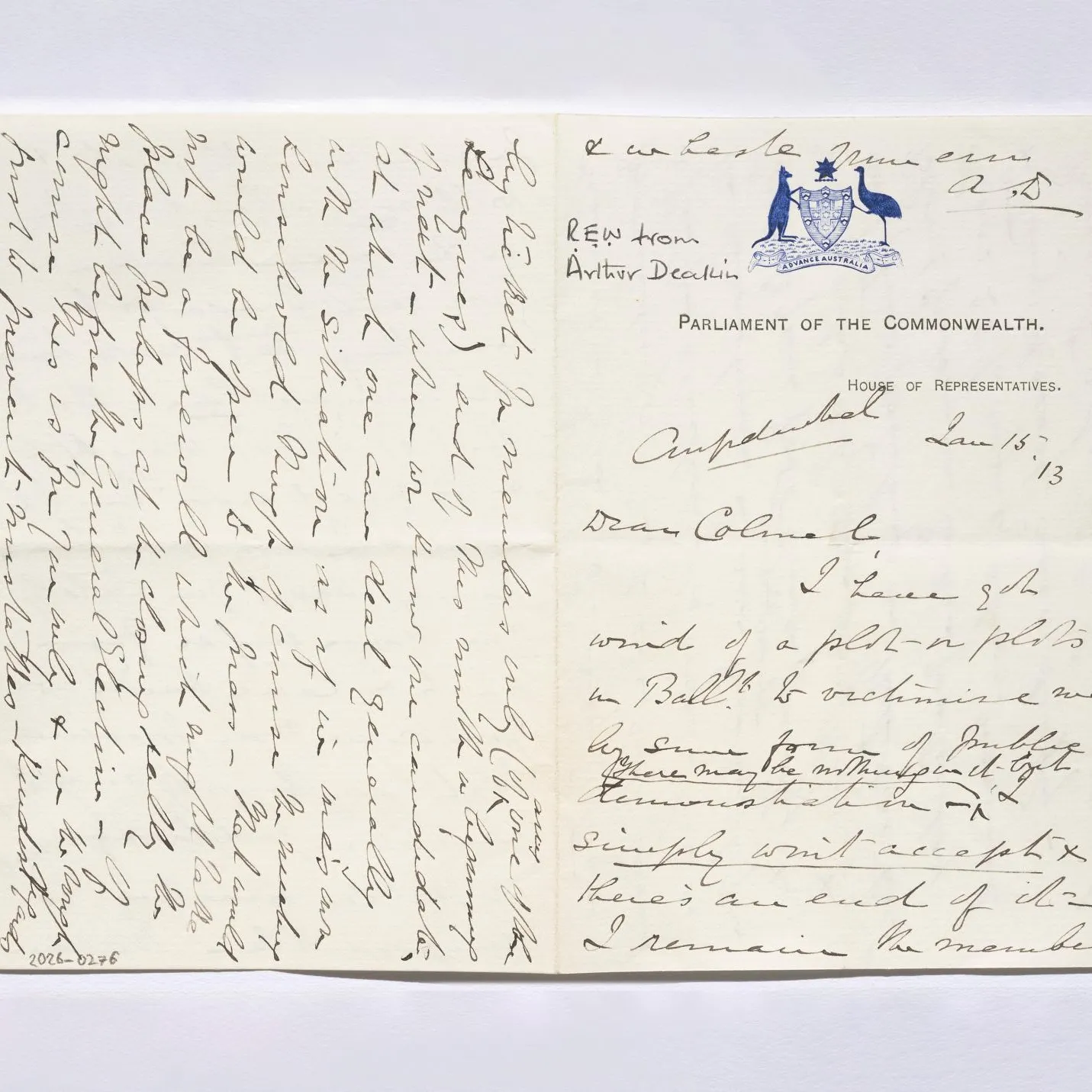
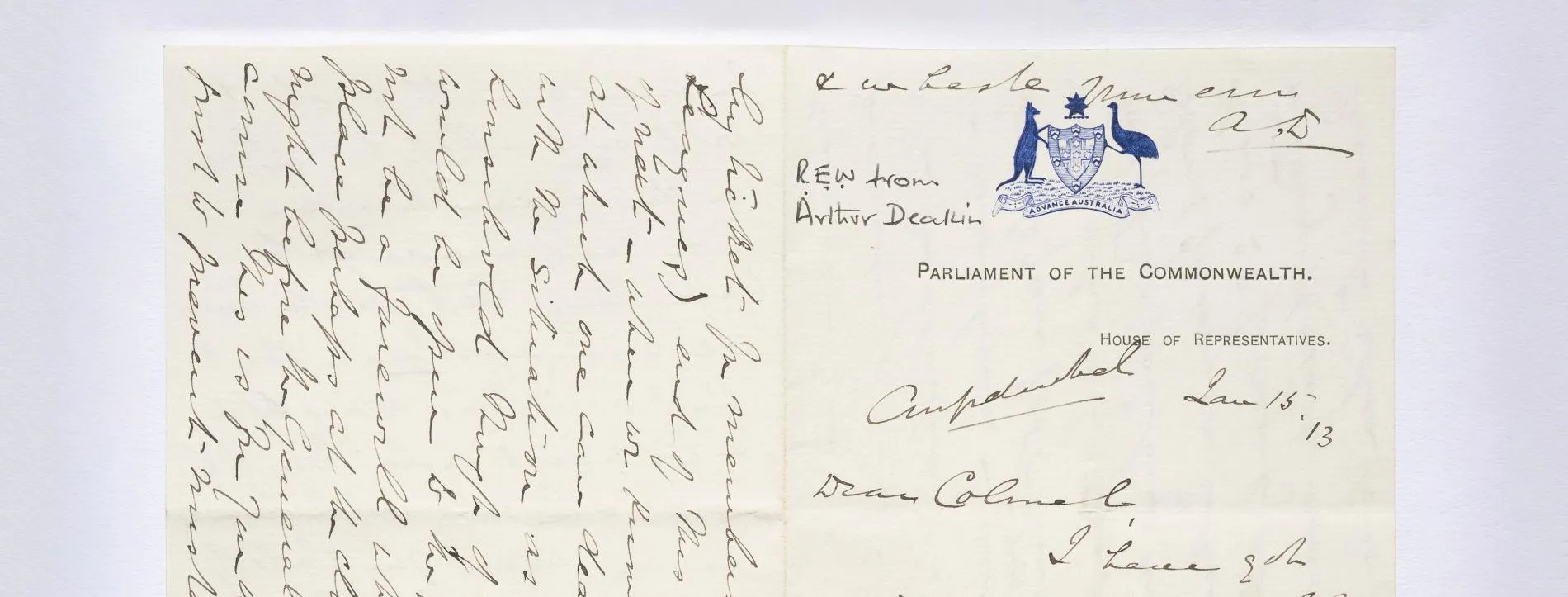
Letters between Alfred Deakin and Colonel Robert Williams
Australia's second prime minister on his plans to leave politics.
Alfred Deakin was prime minister of Australia three times and is known as a founding father of Federation.
Born in Melbourne in 1856, Deakin qualified as a lawyer but worked as a journalist at The Age. He first entered Victorian parliament in 1879 and served as solicitor-general and chief secretary over the next 11 years. He was a Victorian representative to the constitutional conventions, helping to shape what would become the Australian Constitution.
When the first federal Cabinet was formed, Prime Minister Edmund Barton named Deakin as attorney-general. Deakin kept this portfolio until Barton left politics and Deakin took over as prime minister in September 1903. Deakin retained the prime ministership at the next federal election in December that year, staying in the role until 1904. He served two more terms as prime minister after that from 1905-1908 and 1909-1910.
However, since 1908 he had suffered memory issues and high blood pressure. Deakin's biographer, Judith Brett, wrote that Deakin 'had lost all zest for public life and was trudging on until he could retire.' After a health scare in late 1912 and mounting health issues, he decided to retire from public life.
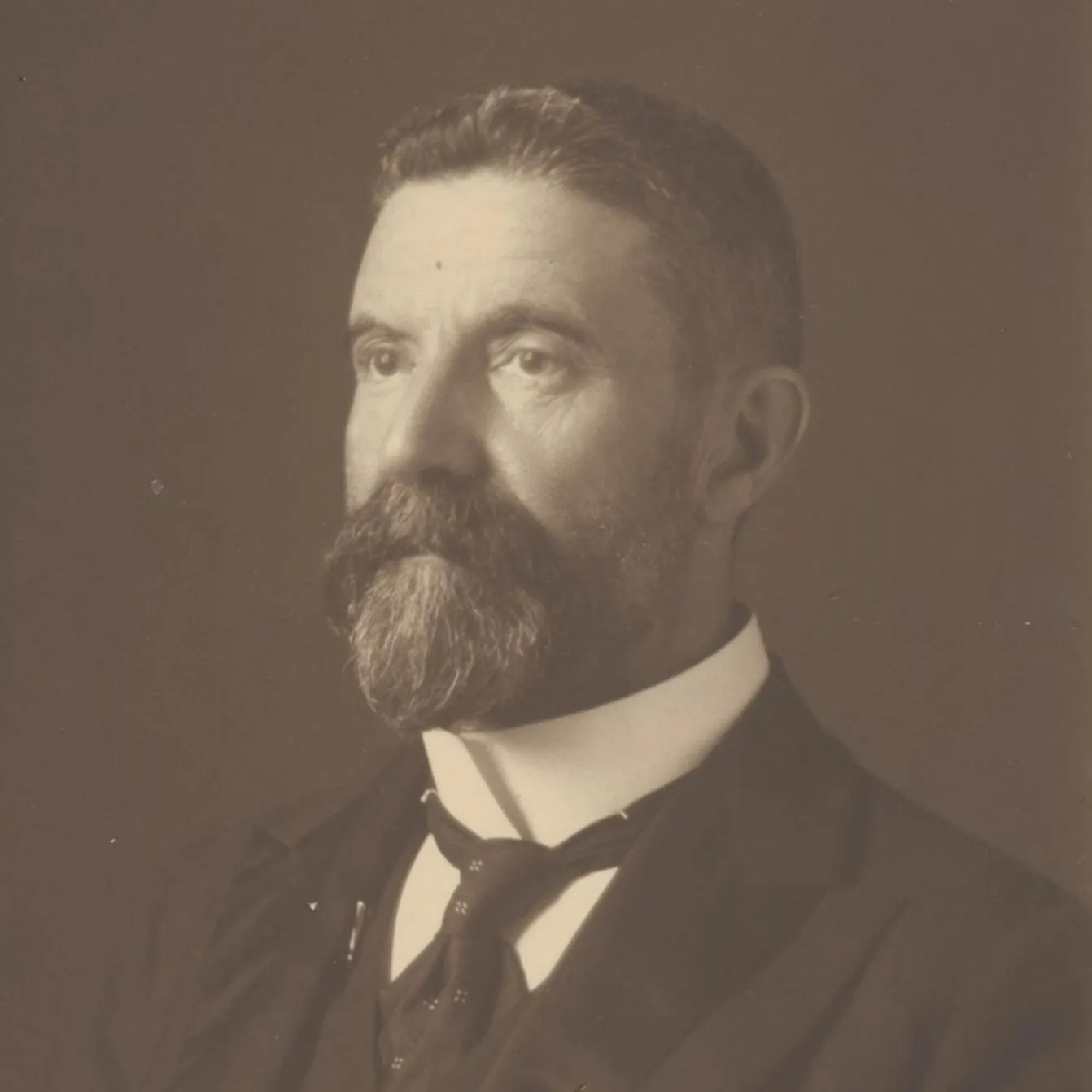
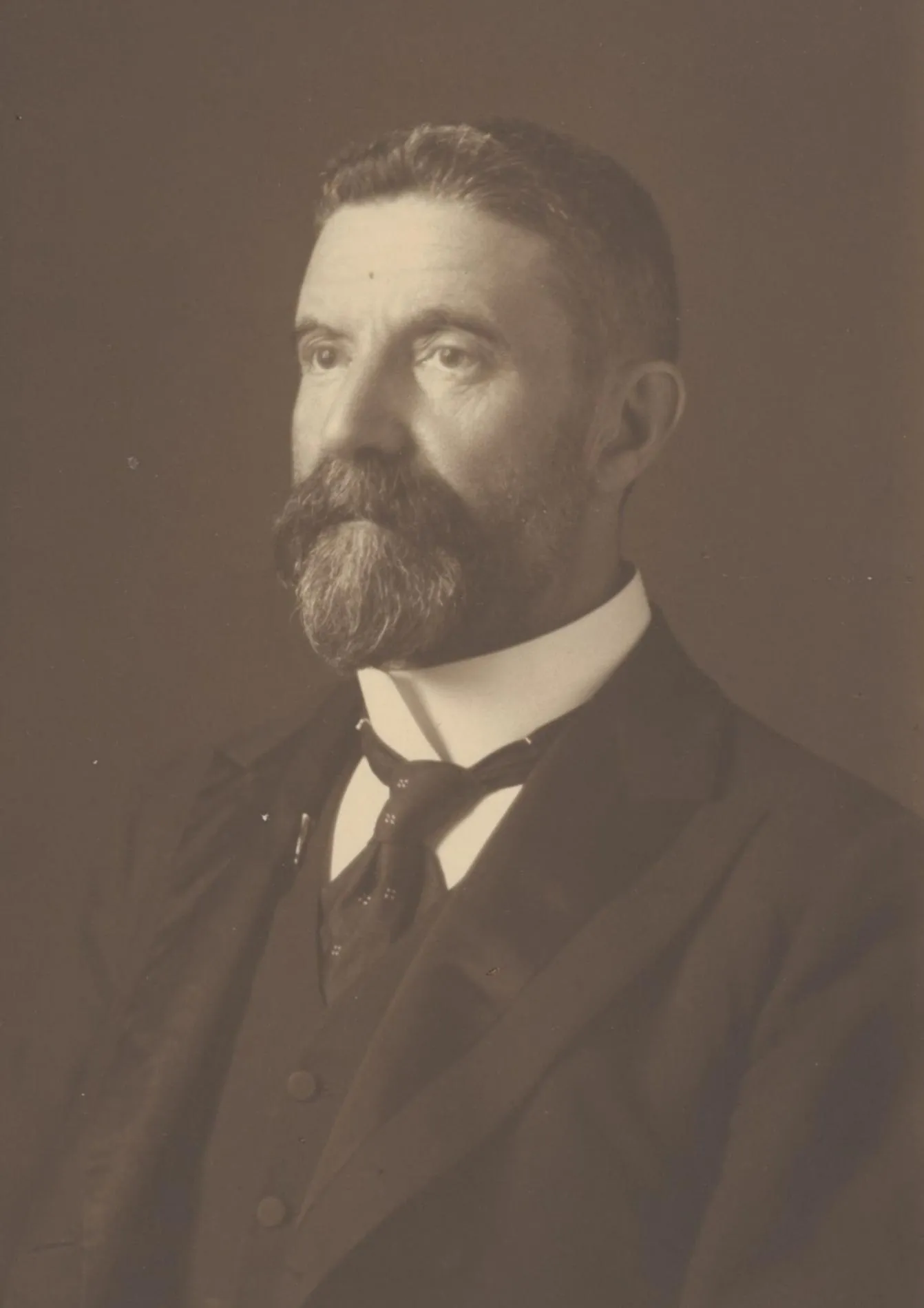
Alfred Deakin, about 1900. Photograph by Elliott and Fry, National Library of Australia
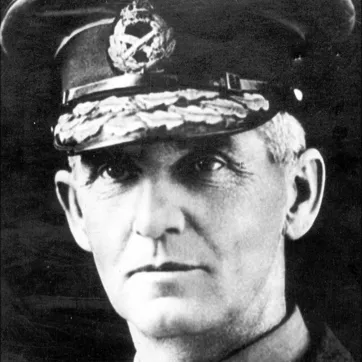
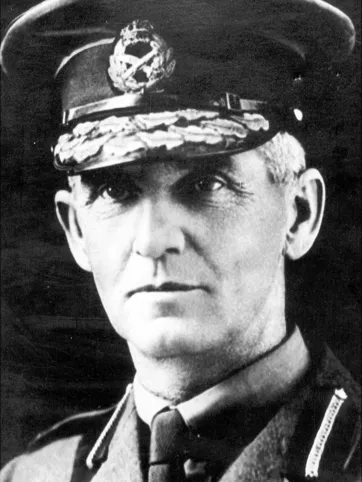
Robert Ernest Williams. Photograph Federation University Historical Collection
In January 1913, when he was Leader of the Opposition, he wrote to his friend, Colonel Robert Williams, to plan his exit from public office. Deakin and Williams had similar careers, both working as journalists before turning to public service. In 1913, Williams was the Town Clerk for Ballarat which was in Deakin's electorate and acted as an organiser for Deakin. In the first letter, dated 15 January 1913, Deakin lays out his intention not to run for the election in May 1913 and how he will manage public appearances until then. Since the new year, there had been rumours Deakin would be retiring, but Deakin wanted to wait several weeks before announcing his retirement to the people of Ballarat himself.
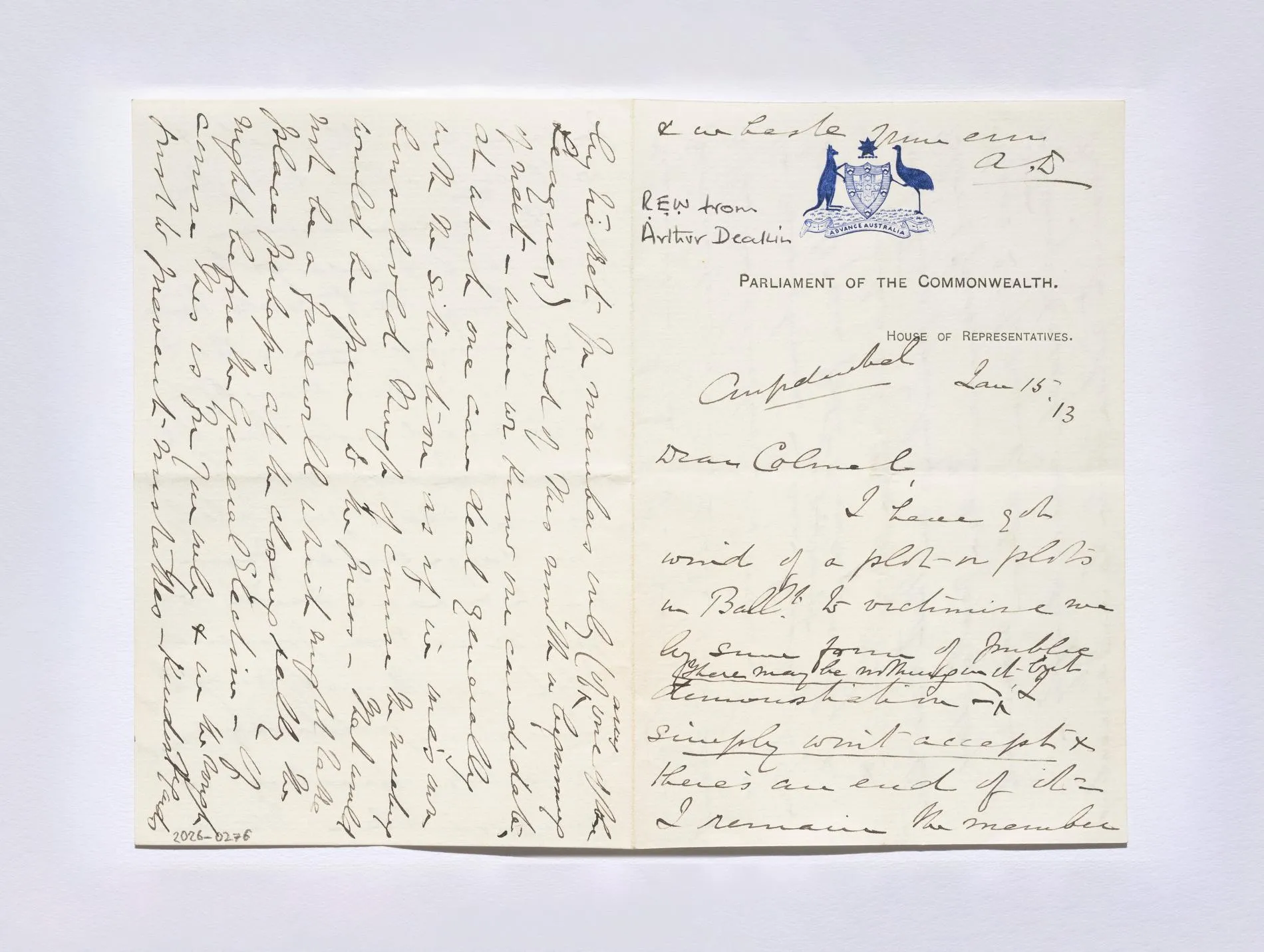
Letter from Arthur Deakin to Colonel Robert Williams dated 15 January 1913 – front and back pages.
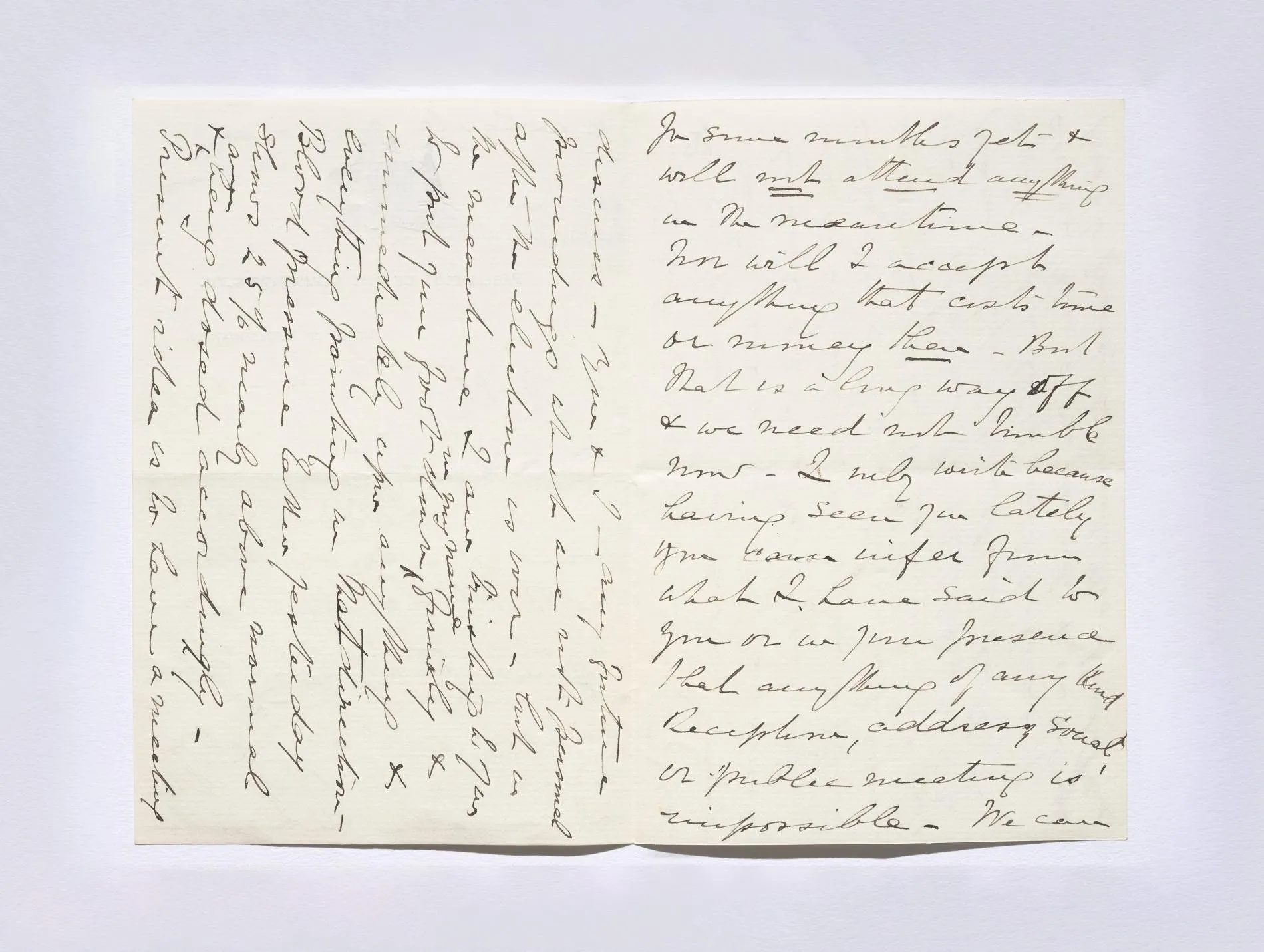
Letter from Arthur Deakin to Colonel Robert Williams dated 15 January 1913 – middle pages.
'Confidential
January 15. 13
Dear Colonel,
I have got wind of a plot or plots in Ballr. to victimise me by some form of public demonstration,^ there may be nothing in it yet, I simply won't accept + there's an end of it – I remain the member for some months yet + will not attend anything in the meantime – nor will I accept anything that costs time or money then –
But that is a long way off + and we need not trouble now – I only write because having seen you lately you could infer from what I have said to you or in your presence that anything of any kind reception, addressing social or public meetings is impossible – We can discuss – you + I – any future proceedings which are not personal after the election is won – but in the meantime I am trusting to you to put your foot down ^ in my name firmly + immediately upon anything + everything pointing in that direction –
Blood pressure lower yesterday shows 25% nearly above normal + ^ am being dosed accordingly. Present idea is to have a meeting by ticket for members only (of ^any one of the leagues) end of this month or beginning of next – When we know the candidate, at which one can deal generally with the situation as if in one's own household though of course the meeting would be open to the press – That would not be a farewell which might take place perhaps at the closing rally the night before the general election – Of course this is for you only + in the rough just to prevent mistakes –
Kindest regards + a best new year
A.D.'
The second letter is written three days later once news of Deakin's ill health and his intention to retire had become public. Hoping to get ahead of the rumours, Deakin announced his retirement publicly on 17 January 1913. A day later, he wrote to Williams about the number of letters he had received and their impact on his mood as well as his hopes for the future.
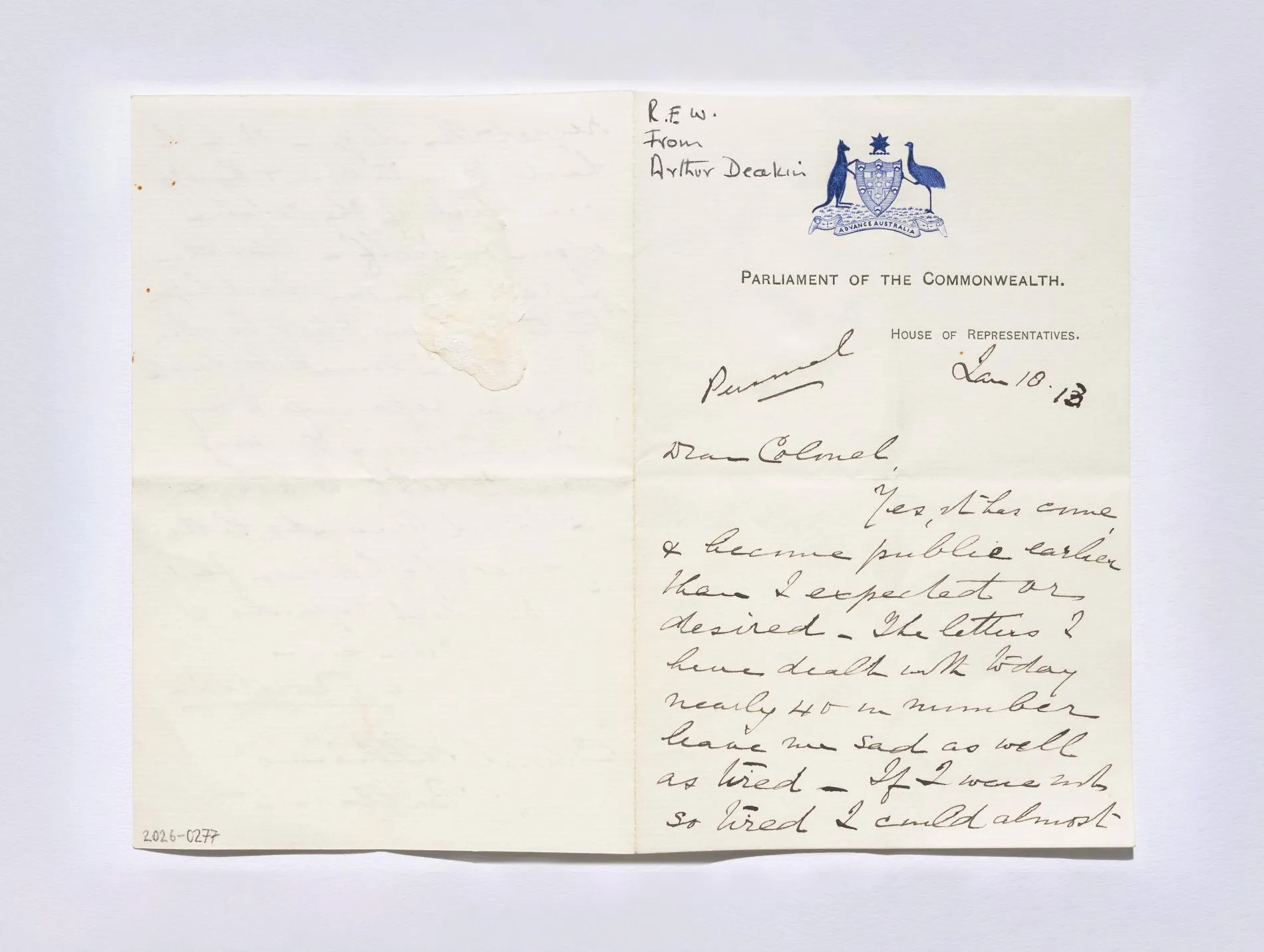
Letter from Arthur Deakin to Colonel Robert Williams dated 18 January 1913 – front page.
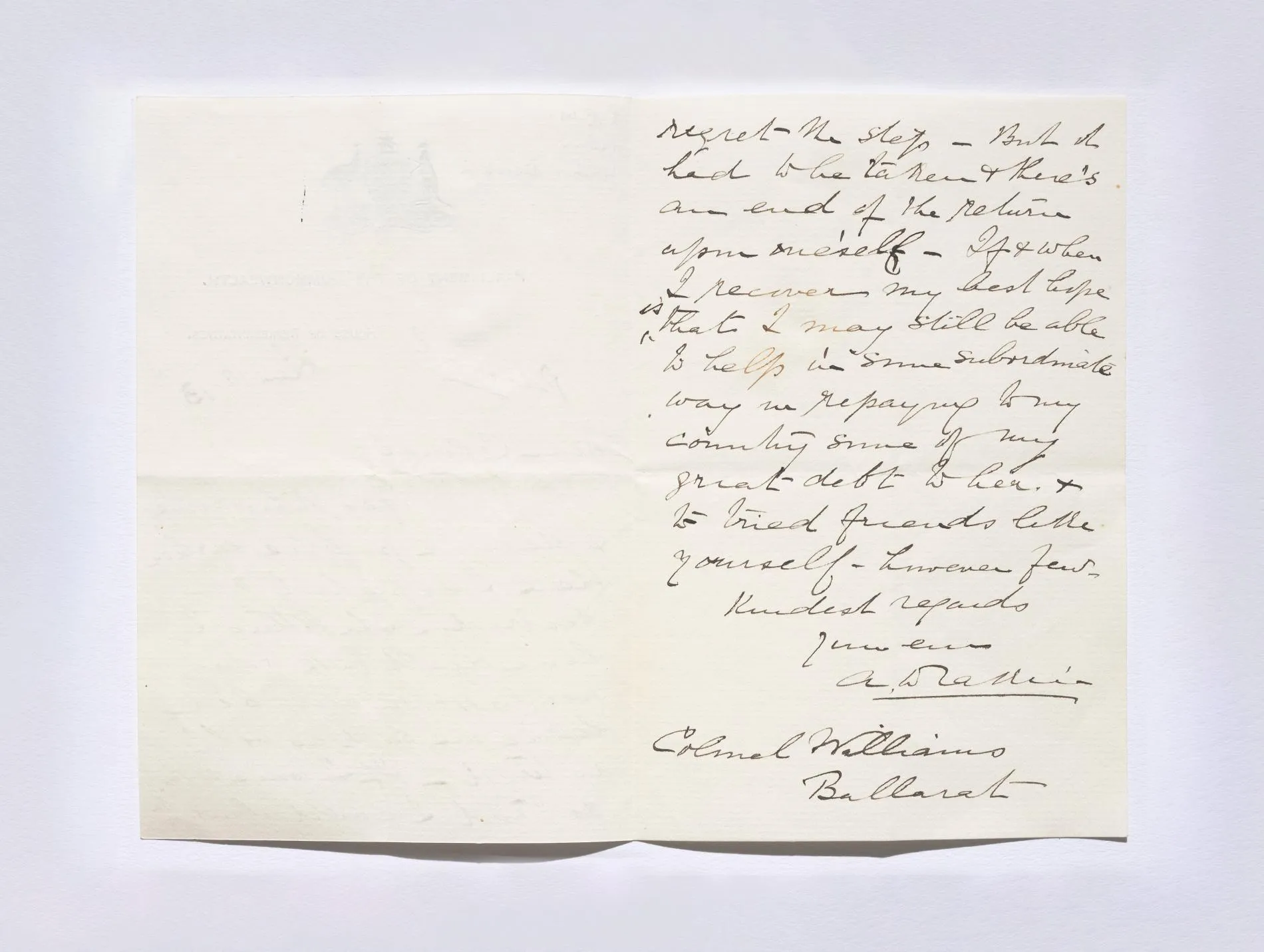
Letter from Arthur Deakin to Colonel Robert Williams dated 18 January 1913 – back page.
'Personal
January 18. 13
Dear Colonel,
Yes, it has come + become public earlier than I expected or desired – The letters I have dealt with today nearly 40 in number leave me sad as well as tired – If I were not so tired I could almost regret the step – But it had to be taken + there's an end of the [illegible] upon oneself – If + when I recover my best hope is that I may still be able to help in some subordinate way in repaying to my country some of my great debt to her + to tried friends like yourself – however few –
Kindest regards
Yours ever
A. Deakin
Colonel Williams
Ballarat'
Deakin resigned his leadership of the Liberal Party on 20 January 1913, the parliament did not meet again before the election in May. Deakin had hoped that by limiting stress and obligations his health would improve, this was not the case. Although Deakin would chair a royal commission into food supply during the First World War, he would never again return to parliament. He died on 7 October 1919, aged 63 and was granted a state funeral at Melbourne Parliament House.
What special details are there on these letters?
The letters are written on a piece of creamy A5 paper folded in half. The top of the first page features an older version of the Commonwealth Coat of Arms in blue with the motto 'ADVANCE AUSTRALIA'. The page also identifies the letter as having been written at the 'Parliament of the Commonwealth' and 'House of Representatives'. At the top of his first letter, Deakin has underlined 'Confidential' and on the second 'Personal'. The handwriting on the letters is incredibly difficult to read, interspersed with corrections or additions written between the lines.
A descendant of Williams, who was attempting to organise his papers, added notes to the letters. They appear to have misremembered Alfred Deakin's first name while doing so. This occurred prior to the letters coming into the MoAD collection.
Is the modern Liberal Party the same Liberal Party Deakin was a member of?
Australia has had two federal parties called the Liberal Party. The first was founded in 1909 when the Protectionist Party and Anti-Socialist Party combined to create a single party. This party only existed until 1916 when it combined with a faction of the Labor Party to form the Nationalist Party (not the same as the National Party). The current Liberal Party was formed in 1944 to reinvigorate the conservative side of politics, the name Liberal was chosen to honour Deakin's earlier Liberal Party.
You may also be interested in...
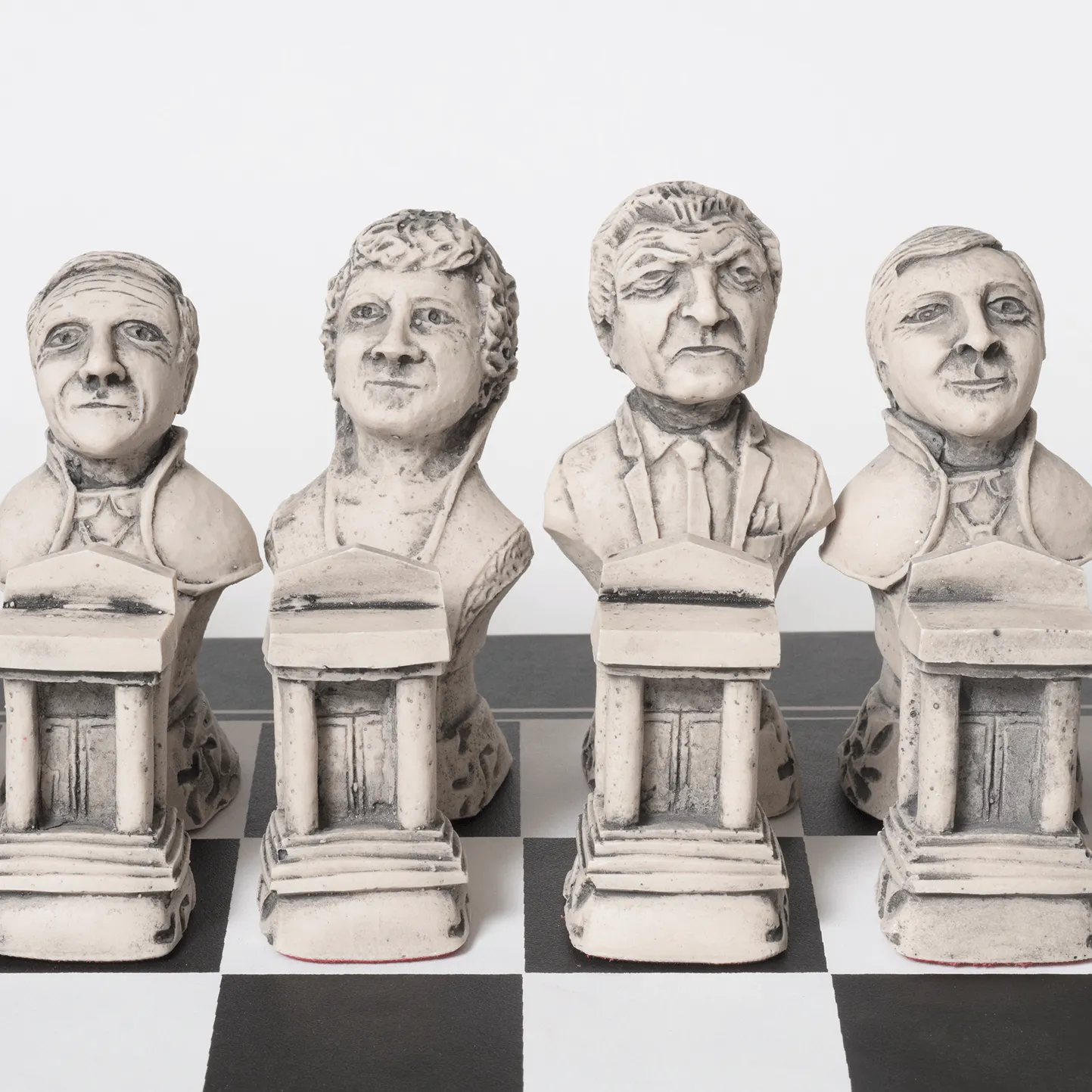
Political chess set by Douglas Pearce
A chess set with pieces made to look like federal politicians.
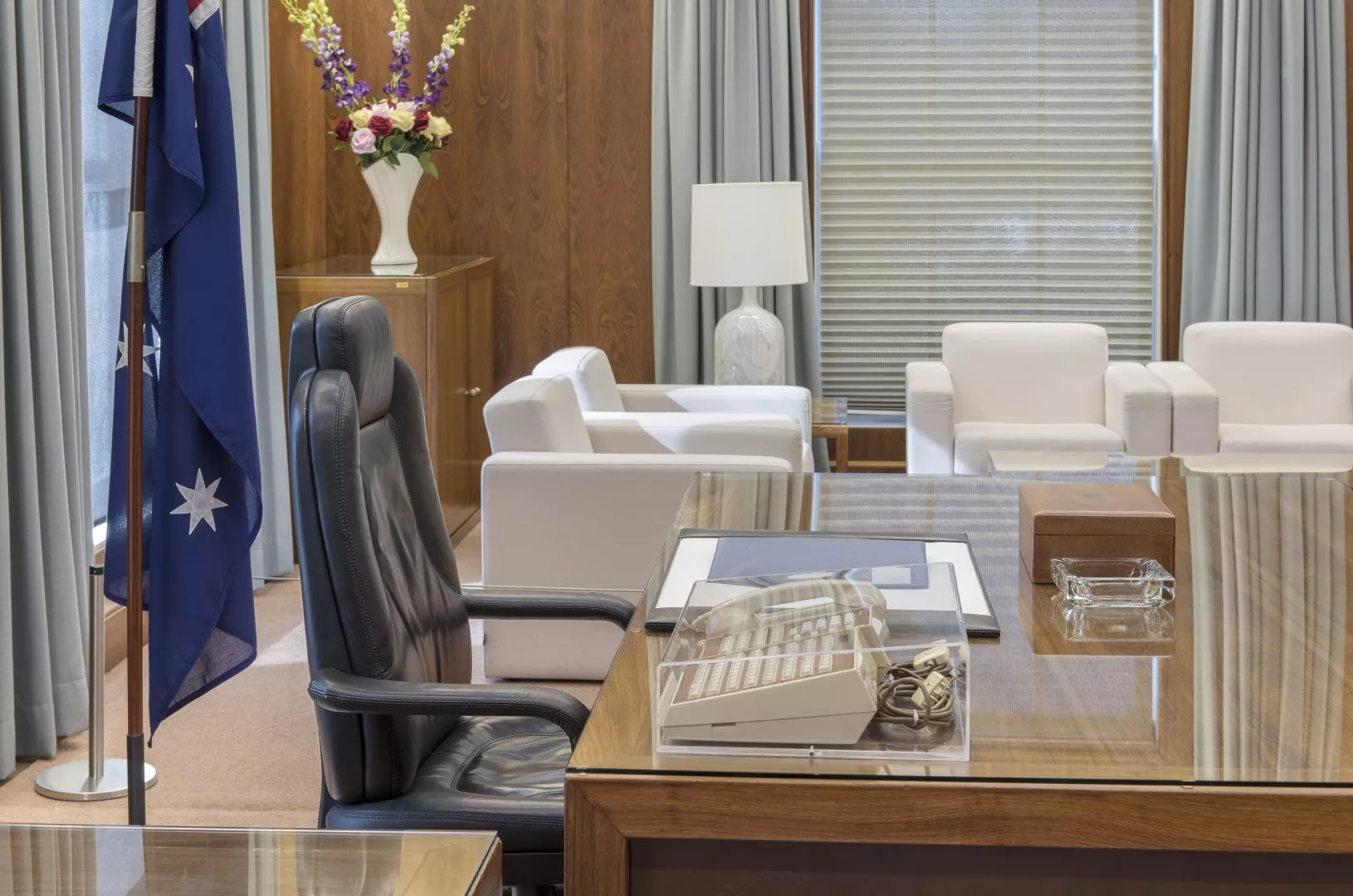
Prime minister's desk
An expanse of desktop.
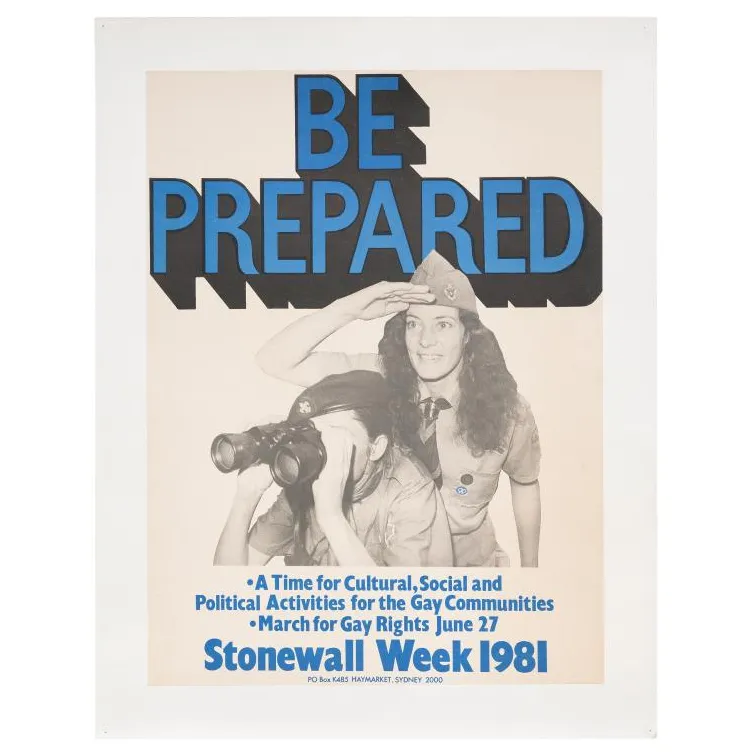
1981 Stonewall Week poster
Pride and protest.
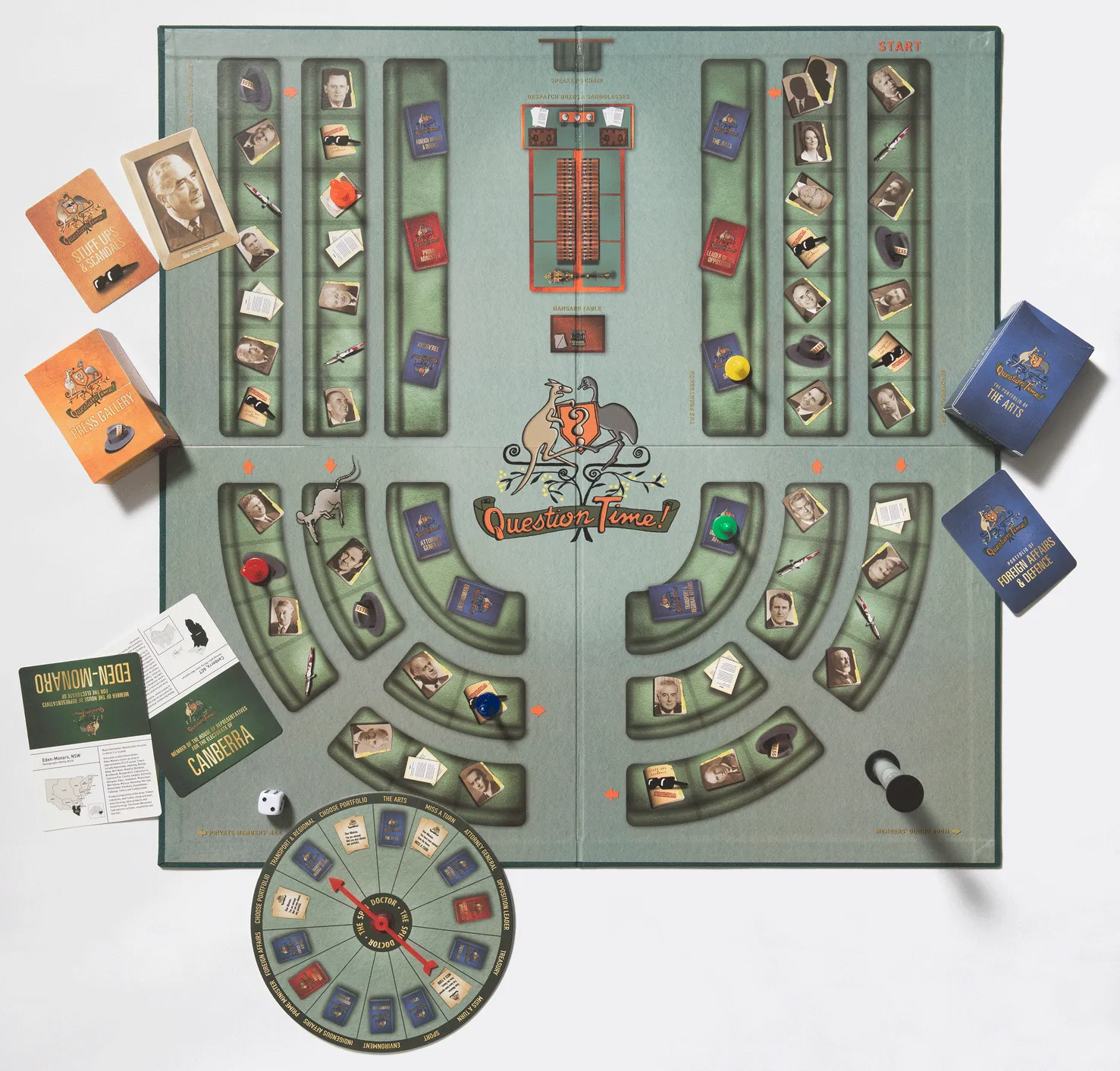
Question Time! board game
A complex game about the intricacies of politics.
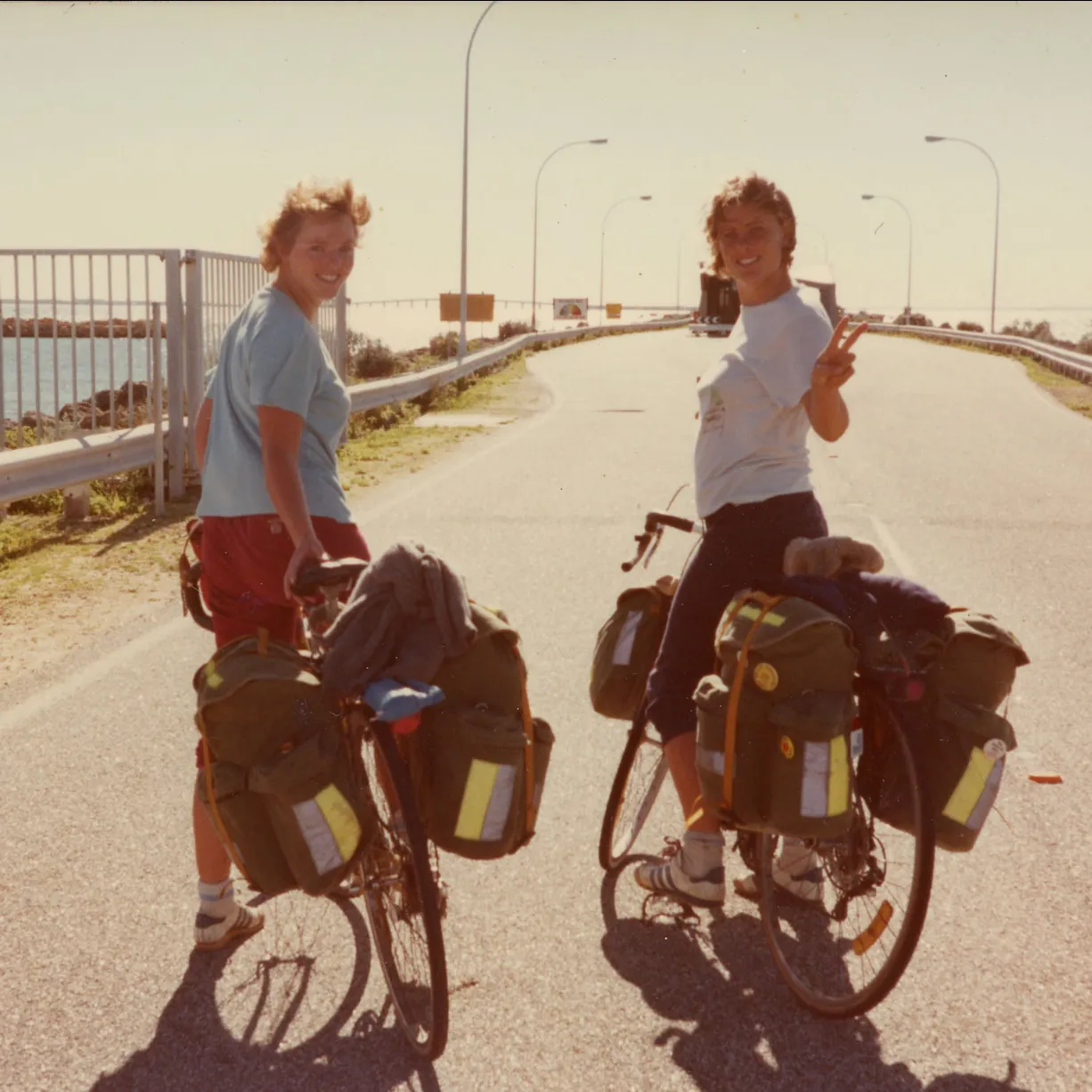
'Bike Ride for Peace' bike seat
How many kilometres would you cover for a cause?
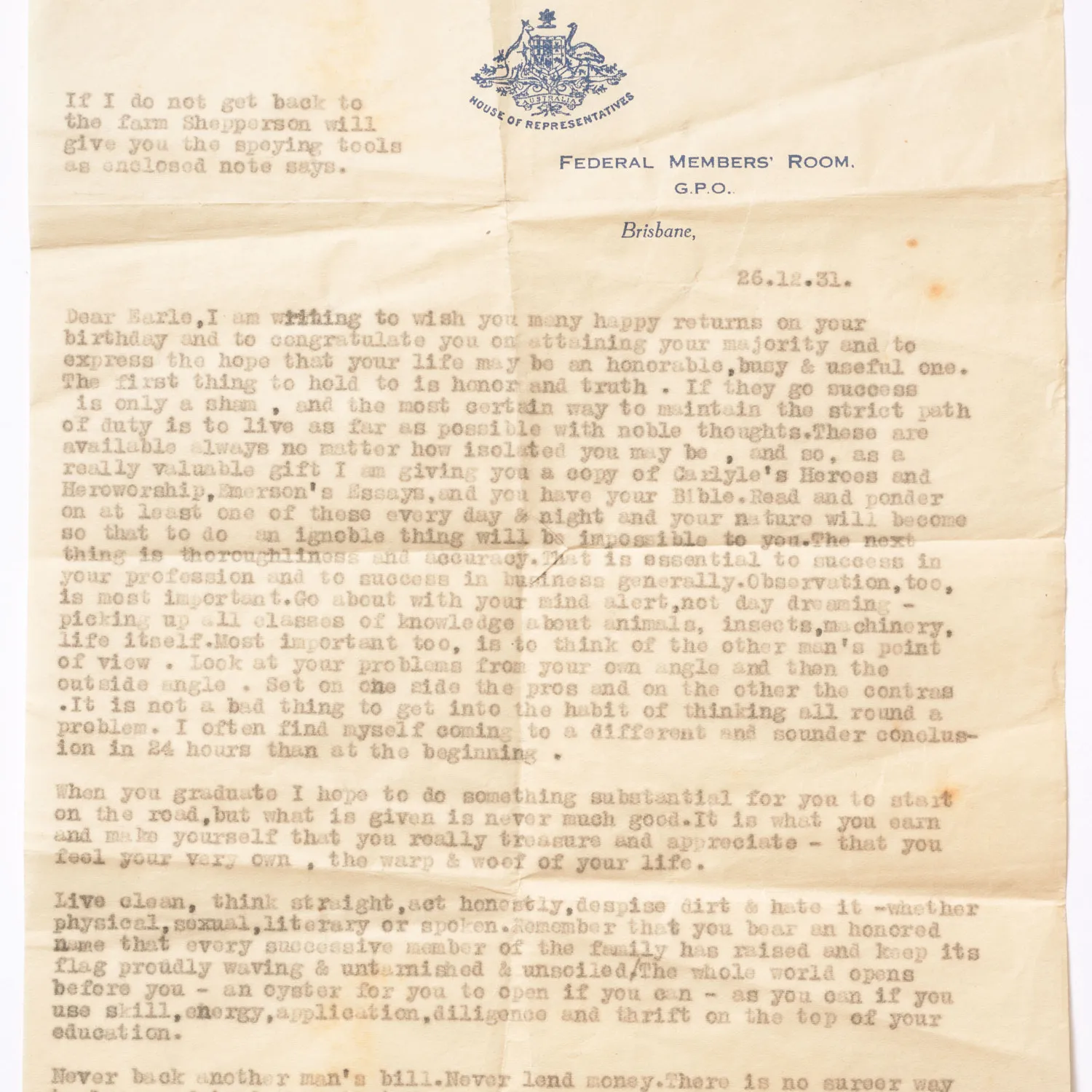
Letter from Earle Page to his son on his 21st birthday
Fatherly advice from a future prime minister.
